Delivery Is Half the Signal
You had the right idea, the right offer, the right timing — and they still said no. Not because you were wrong, but because something in your delivery made their brain hit the emergency brake.
Part 1: Delivery Is Half the Signal — Concept
+5 XP on completion

You had the right idea, the right offer, the right timing — and they still said no. Not because you were wrong, but because something in your delivery made their brain hit the emergency brake.

A confused mind doesn't ask for clarification. A confused mind says no — quickly, politely, and permanently. You never even get to find out what went wrong because they've already moved on.

Here's what nobody admits: the content of your message is only half the signal. The other half is how it lands — your pace, your clarity, your emotional temperature. Get that wrong and even a brilliant idea sounds like static.
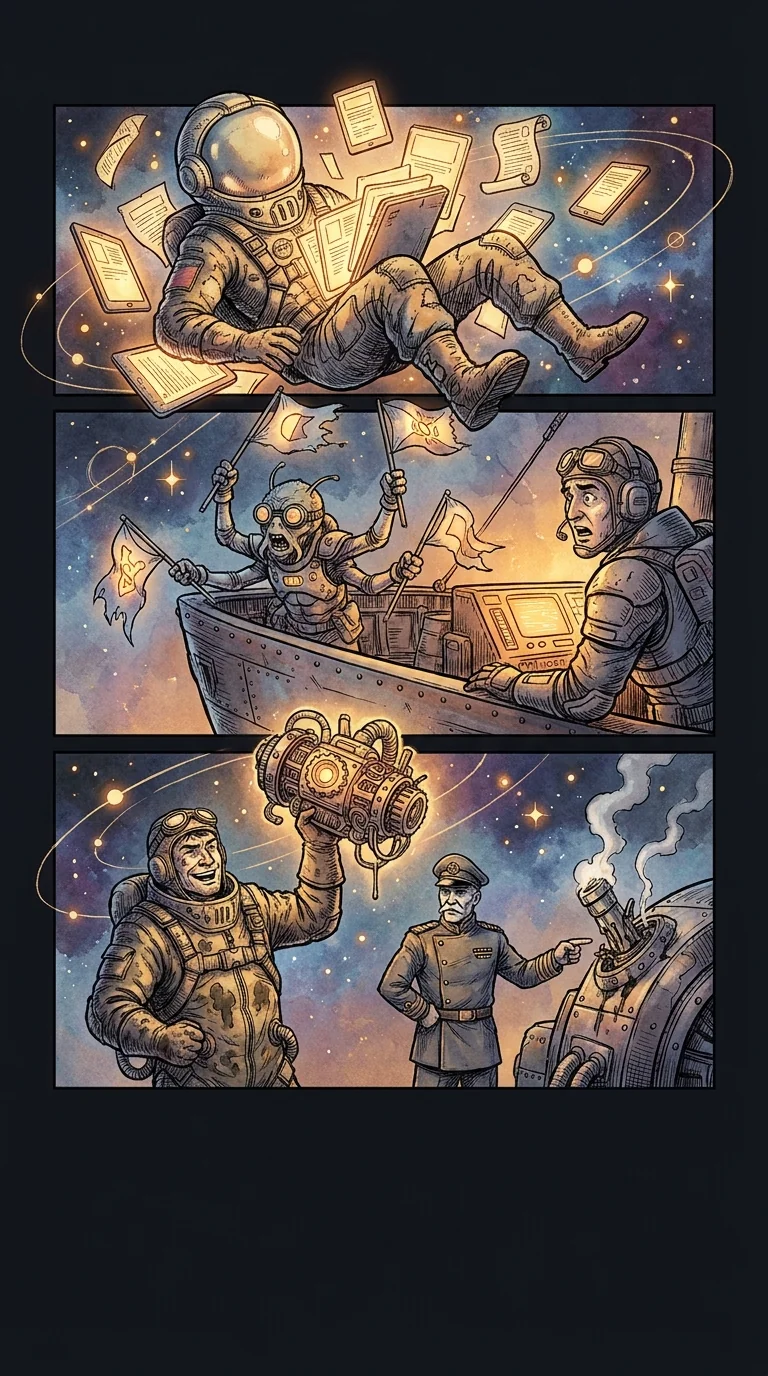
Three delivery killers: too much information at once, urgency that reads as desperation, and solving a problem they don't know they have yet. Strip it down, match their speed, and start where they are — not where you are.

Lisa spent twenty minutes explaining her whole business model to a potential partner. Detailed. Thorough. Impressive, even. The partner smiled, said "sounds great," and never called back. The next time, Lisa opened with one sentence about what the partner needed — and got a meeting within the hour.

Your idea might be solid. But if the delivery creates confusion, confusion creates rejection — every time. In Part 2, you'll practice stripping a message down to its clearest, calmest signal. See you there.
Part 2: Delivery Is Half the Signal — Practice
+10 XP on completion
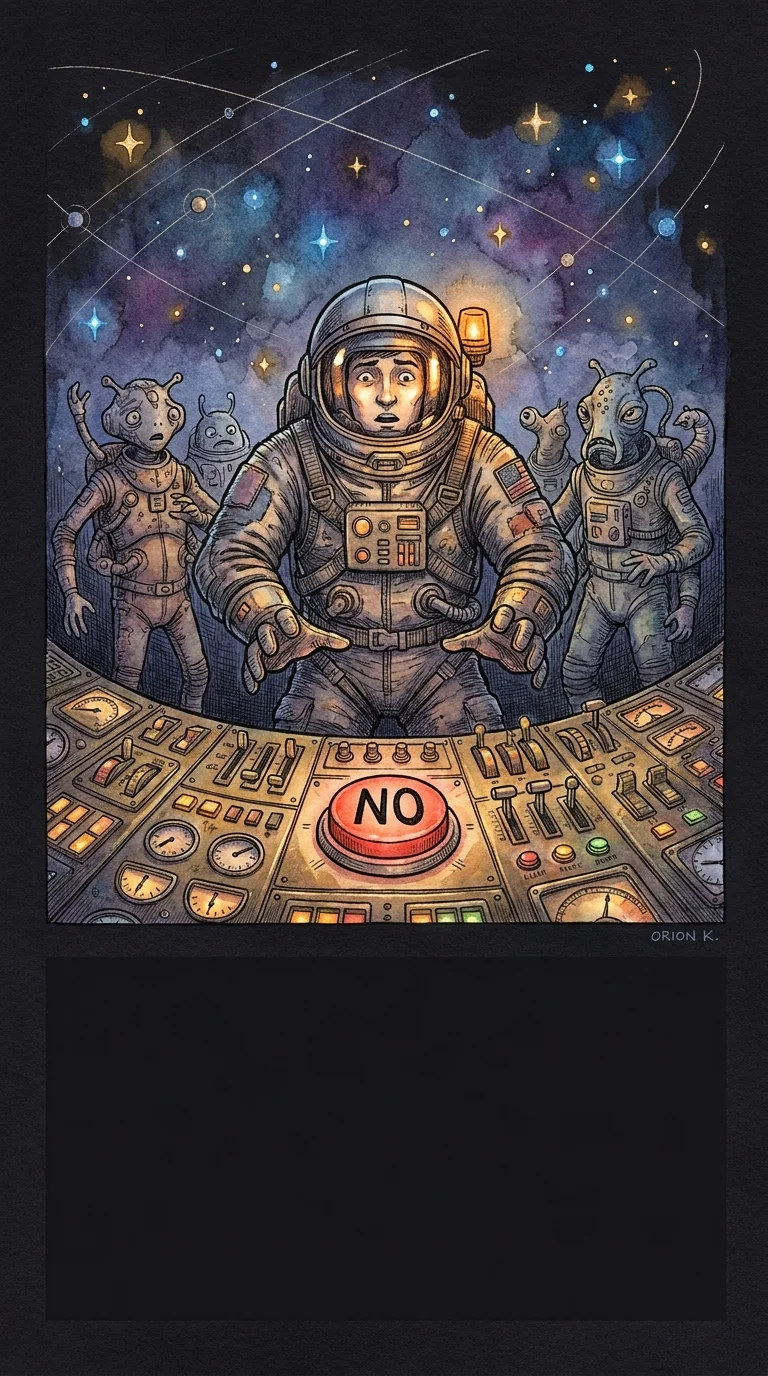
A confused mind says no. So before you worry about what to say, figure out how to say it so the other person's brain doesn't hit the emergency shutoff.
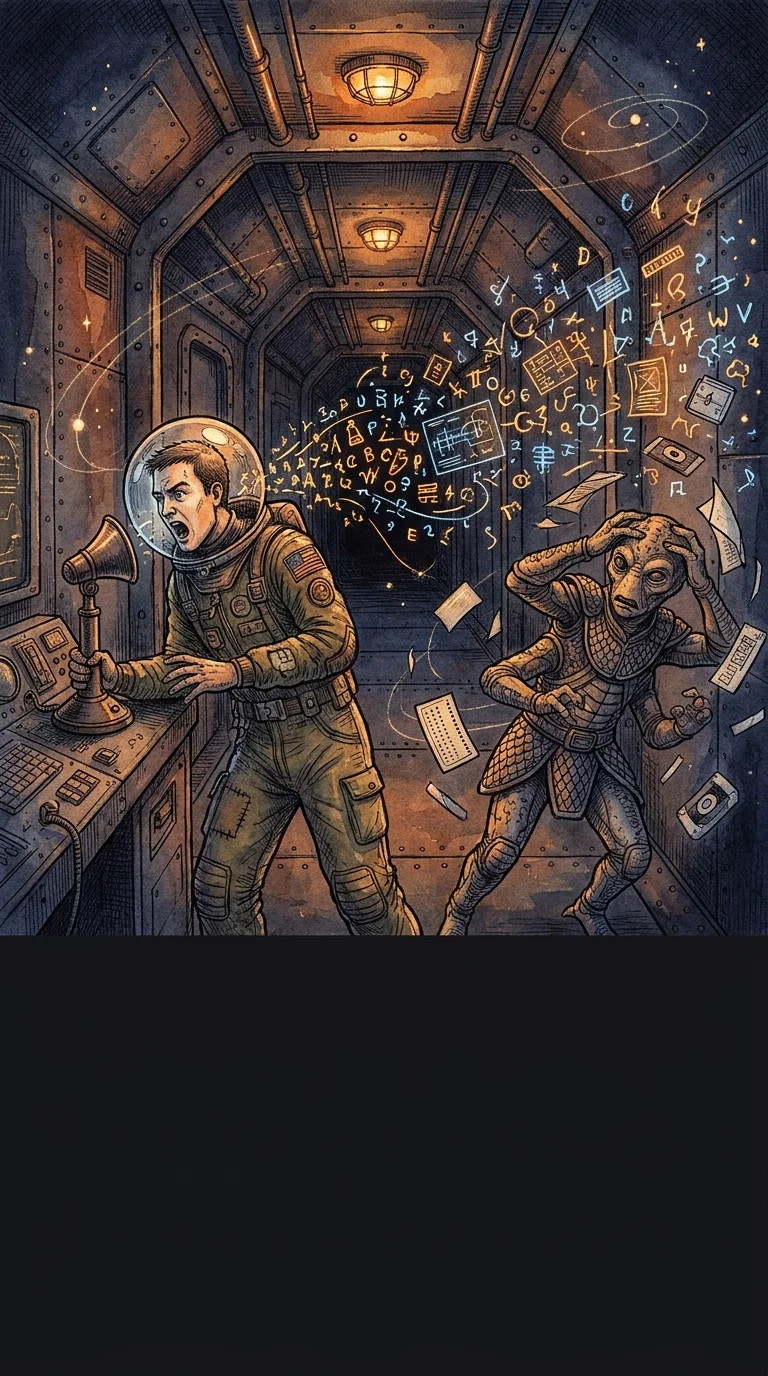
Most delivery fails because you stack everything at once — the backstory, the features, the big finish — like you're afraid silence will swallow you. The listener doesn't hear a message. They hear noise.

The fix is a framework called the Signal Stack: Lead with one clear line. Pause. Then give exactly one reason it matters to them. That's it — three layers, and the middle one is silence.

Step one: your opener is one sentence — what this is and why you're bringing it up. Step two: stop talking for two full seconds. Step three: name the single benefit that matters to the person in front of you, not the twelve that matter to you. Repeat as needed, but never skip the pause.

Lisa used to pitch her project ideas like she was reading cargo manifests — every detail, every contingency, all at once. Last week she tried the Signal Stack with her team lead: one sentence, a breath, then the single reason it saved his department time. He said yes before she got to slide two. She never needed slide two.

Clarity isn't a gift some people are born with. It's a discipline — one sentence, one pause, one reason. Practice the Signal Stack three times this week, and watch how fast people stop asking you to repeat yourself.