Inspiration vs. Desperation: Knowing Which Engine to Run
Every ship has two engines: one that fires when you're chasing something brilliant, and one that fires when something terrible is gaining on you. Both will move you — but they burn very different fuel.
Part 1: Inspiration vs. Desperation: Knowing Which Engine to Run — Concept
+5 XP on completion

Every ship has two engines: one that fires when you're chasing something brilliant, and one that fires when something terrible is gaining on you. Both will move you — but they burn very different fuel.
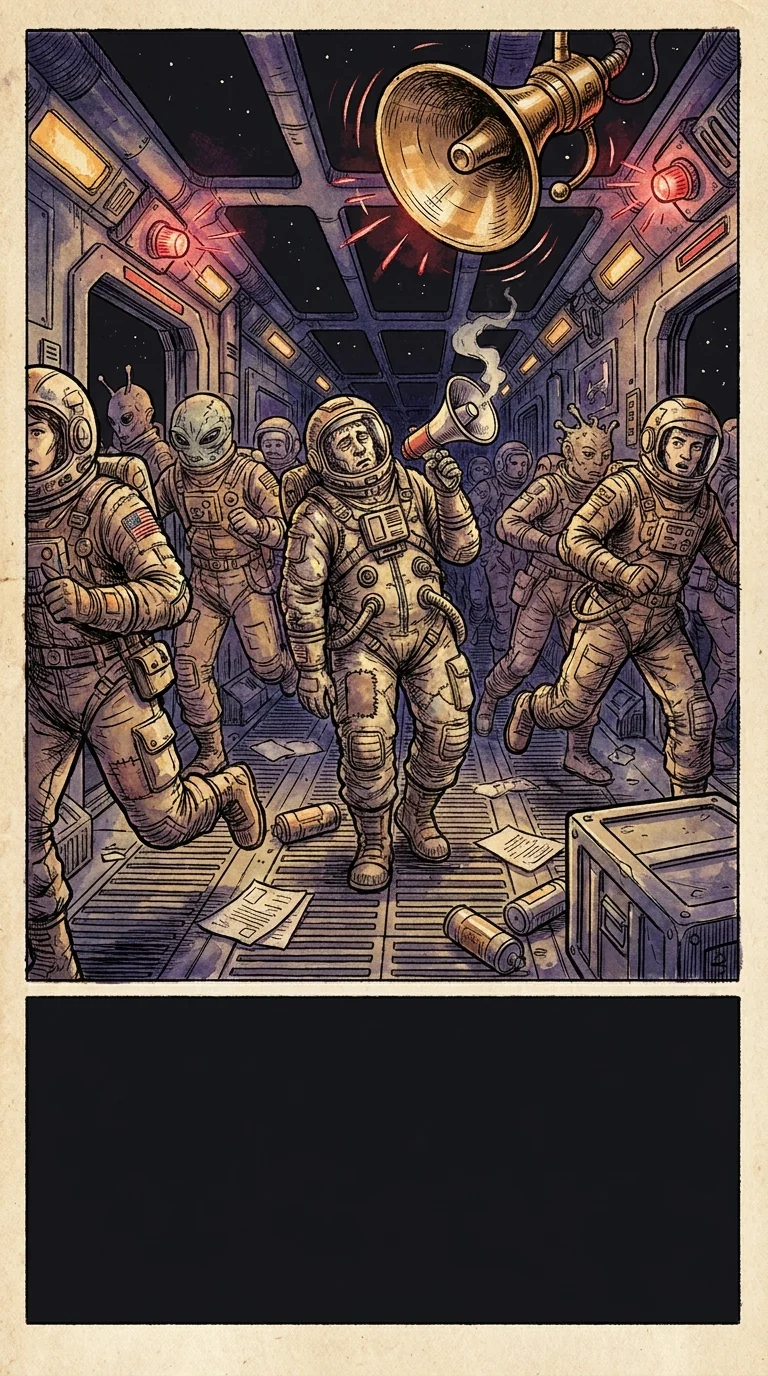
When you're desperate, you'll say anything to get someone to act — fear, guilt, urgency cranked to eleven. It works, sure. The way a fire alarm works: everyone moves, nobody thinks, and the building still might be on fire.

Desperation gets compliance. Inspiration gets commitment. The difference isn't volume — it's direction. One engine runs on "away from pain," the other on "toward something worth reaching." You need to know which one you just fired up.
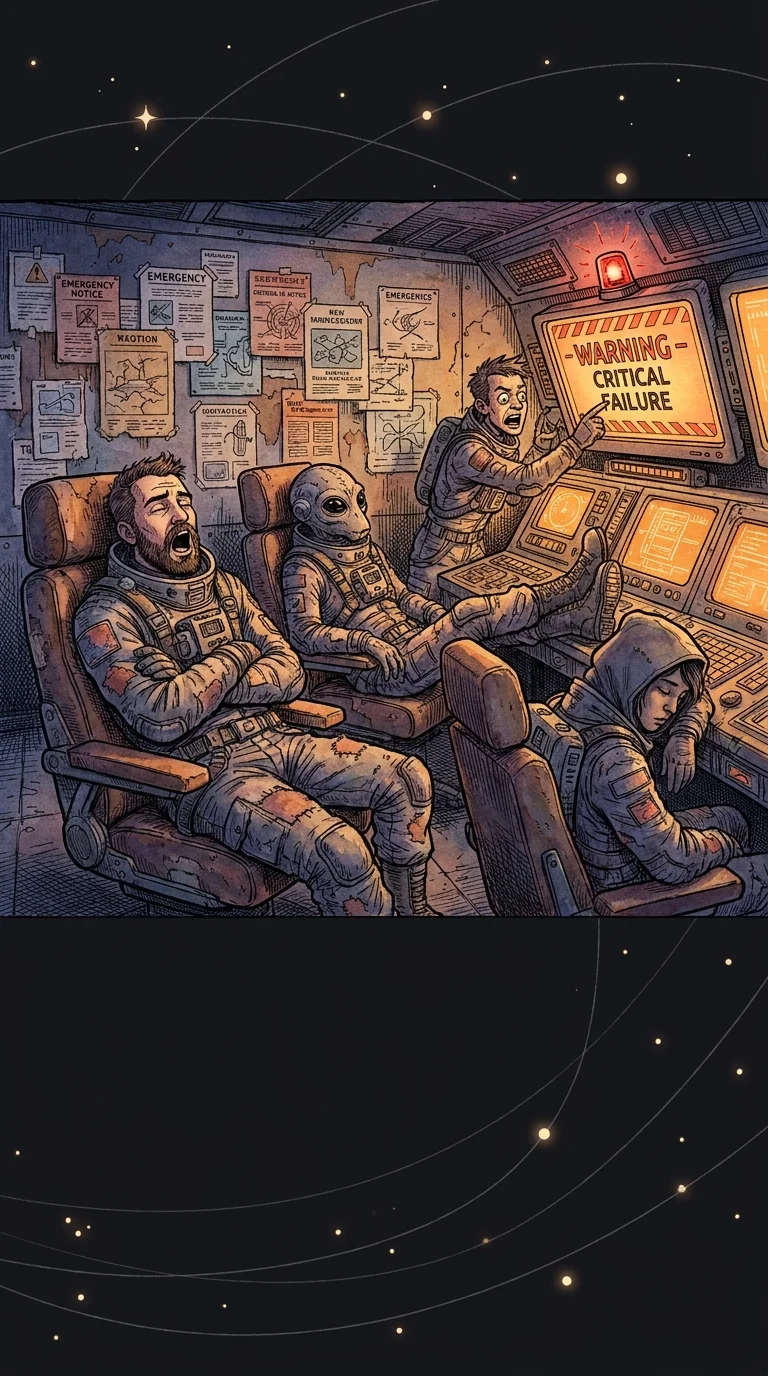
Here's what nobody admits: desperation isn't always wrong. Sometimes the asteroid really is incoming and you need people moving now. But if every Tuesday is an emergency, people stop hearing the alarm — and they definitely stop trusting the person pulling it.
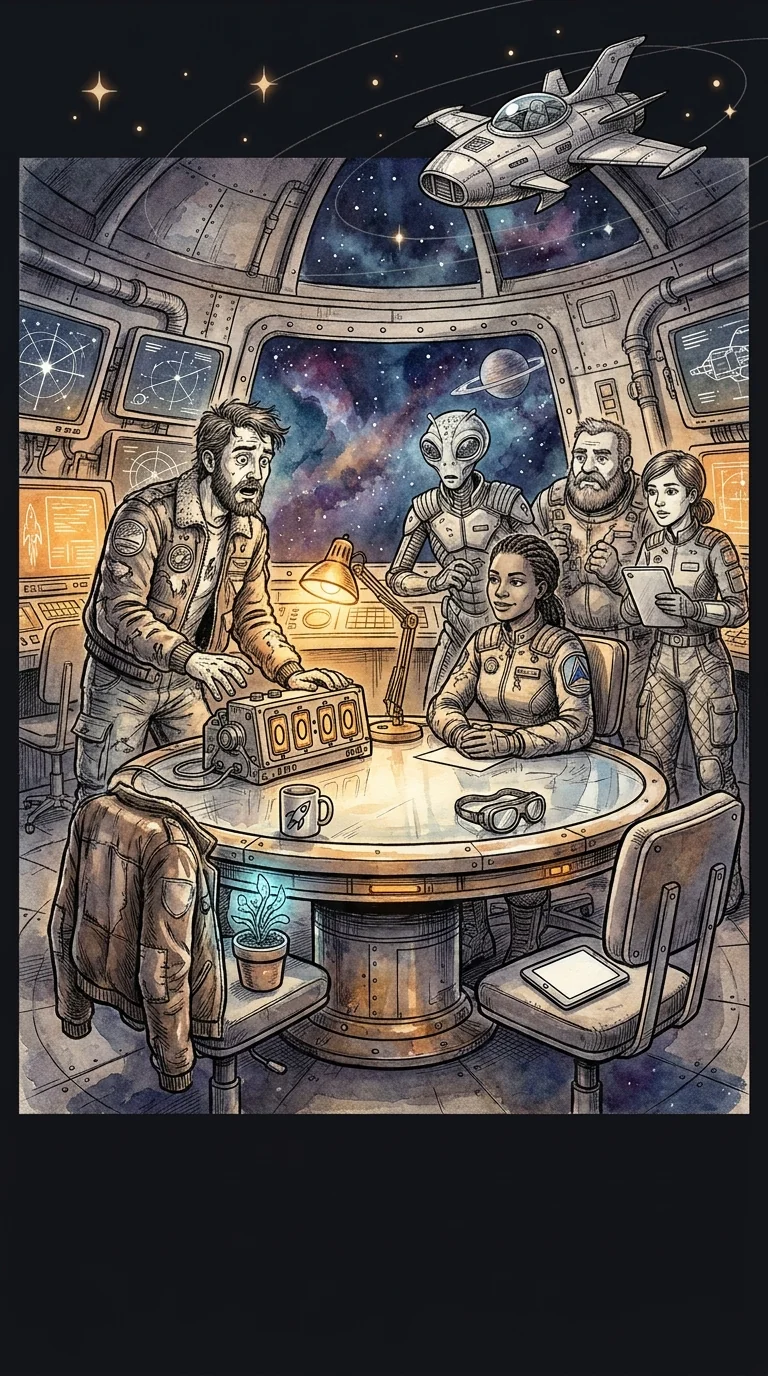
Marcus ran his team on deadline panic for six months straight. Productivity looked great — until three people quit in the same week. His new co-lead, Lisa, asked one question at their first meeting: "What are we building that's worth staying for?" The room went quiet. Then it got interesting.
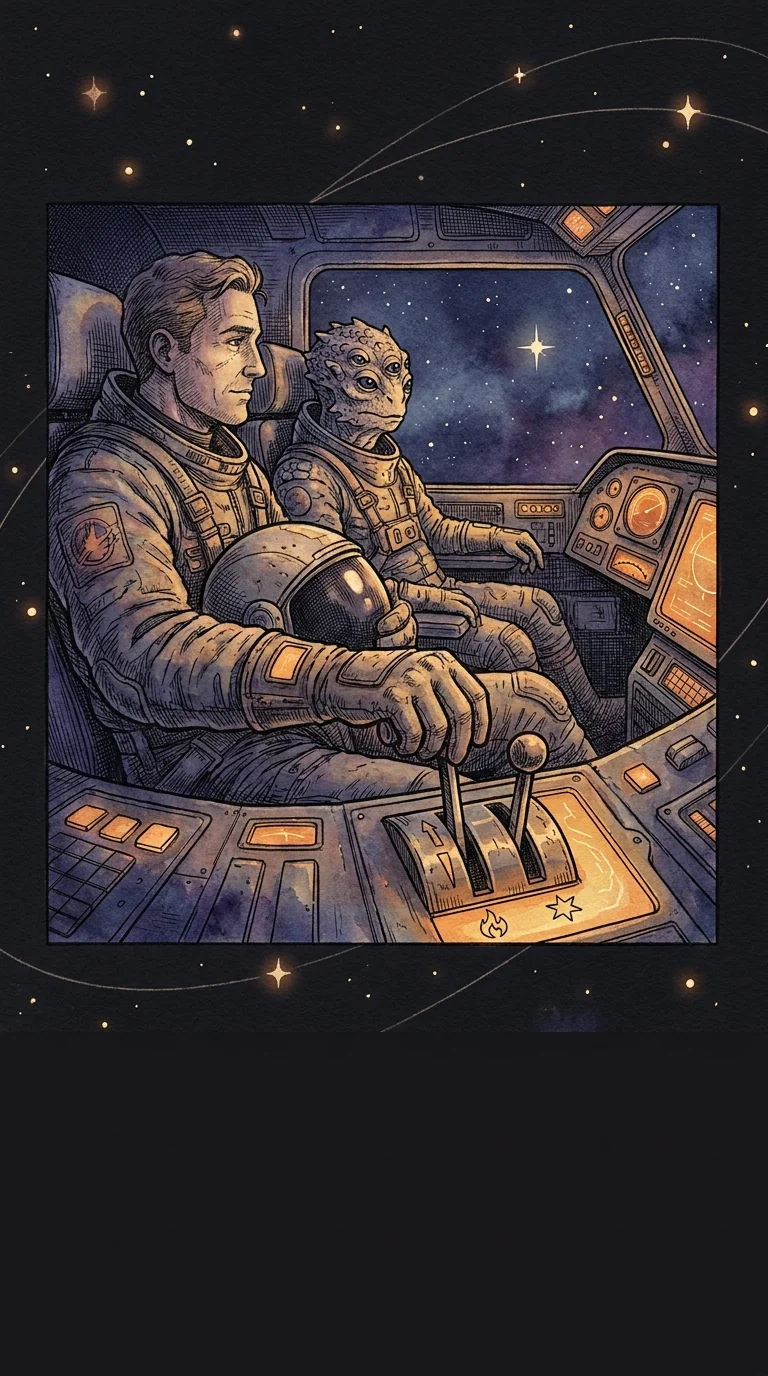
Knowing which engine you're running — and whether it's the right one for this moment — is the difference between a crew that moves and a crew that stays. In Part 2, you'll practice diagnosing your default motivator and choosing the right engine for the situation. See you there.
Part 2: Inspiration vs. Desperation: Knowing Which Engine to Run — Practice
+10 XP on completion

Inspiration and desperation both generate thrust. The question isn't which one is better — it's whether you're choosing your engine or just reacting to smoke in the cabin.
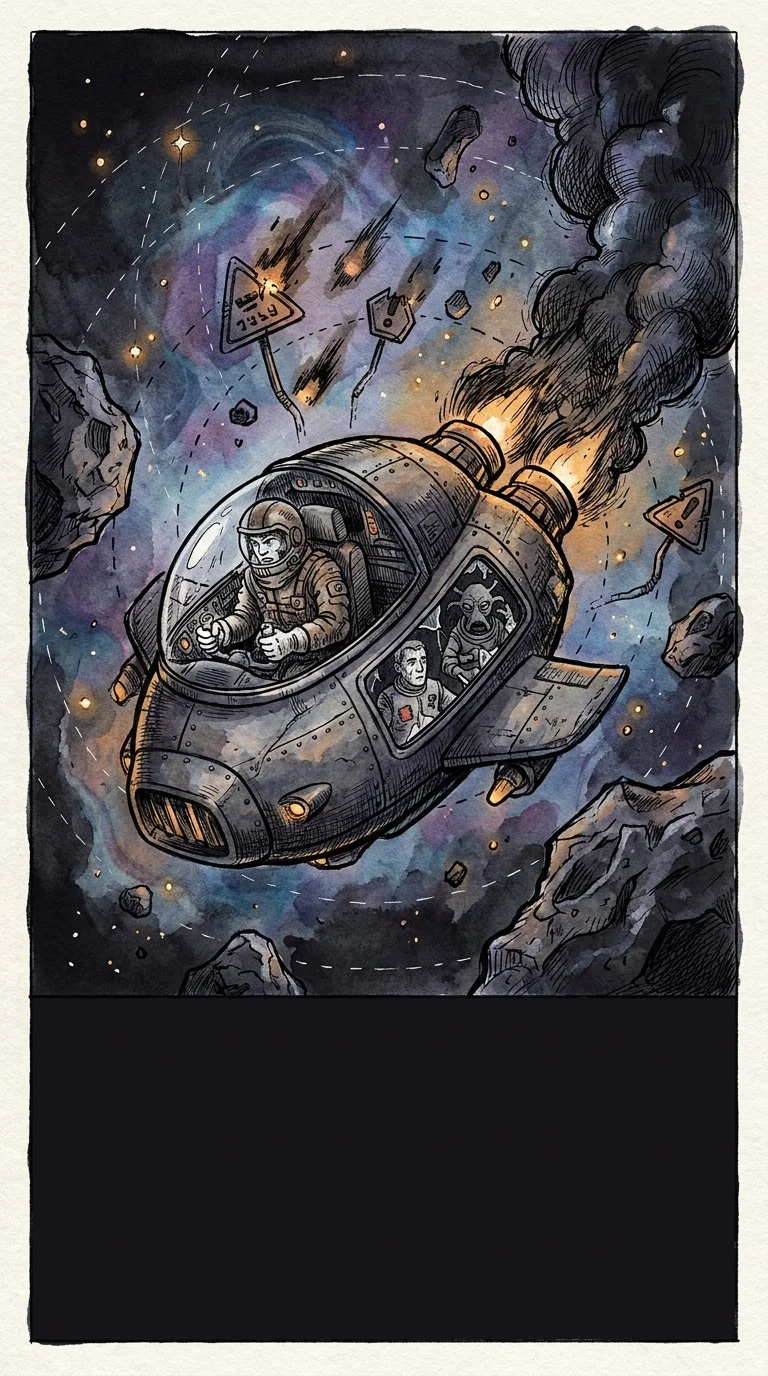
Most persuasion defaults to panic. Deadlines, consequences, worst-case scenarios — because fear is easy to generate and hard to ignore. But desperation fuel burns dirty, and people who run on it long enough stop trusting whoever lit the match.
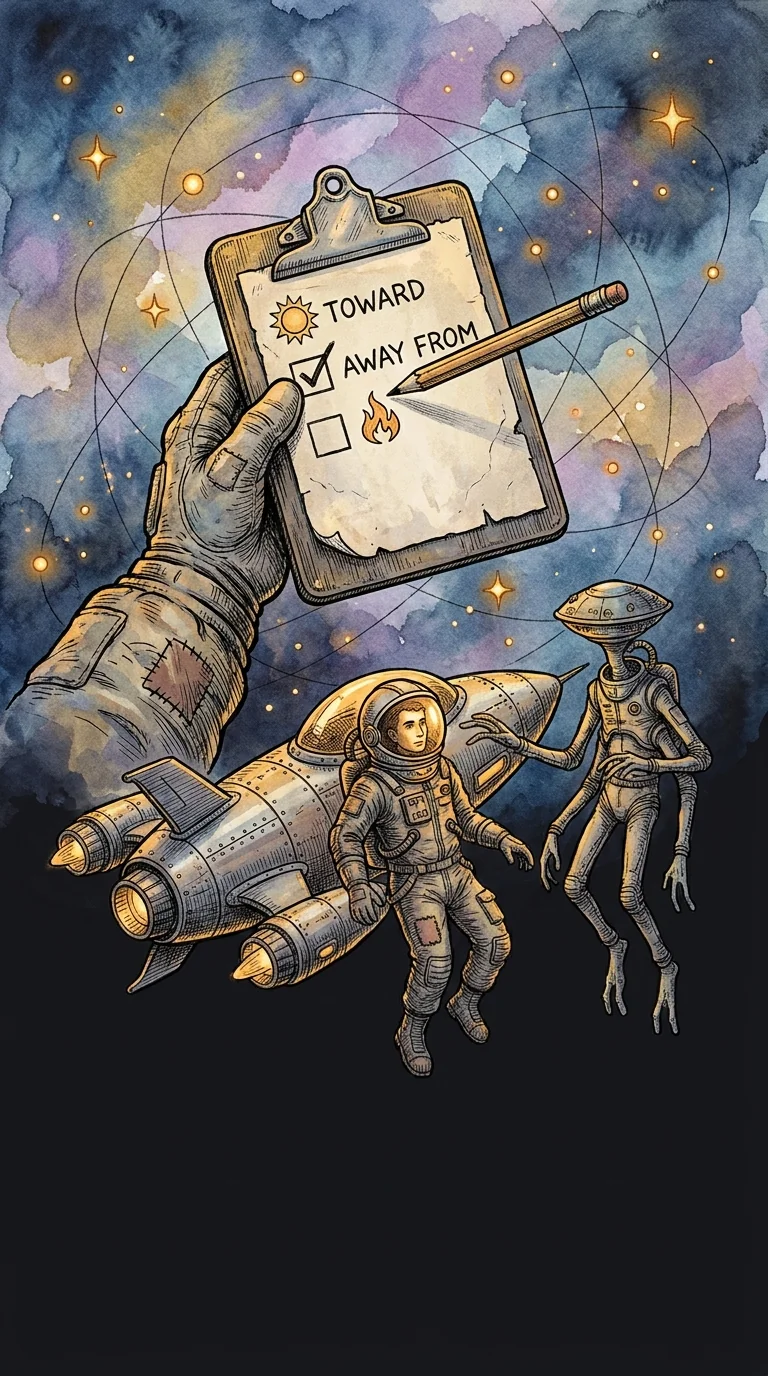
Here's the practice: the Engine Check. Before you make your pitch, your ask, or your case, pause and name which fuel you're loading. Write it down — literally. "Am I pulling them toward something they want, or pushing them away from something they fear?" Both are valid. Only one should be your default.
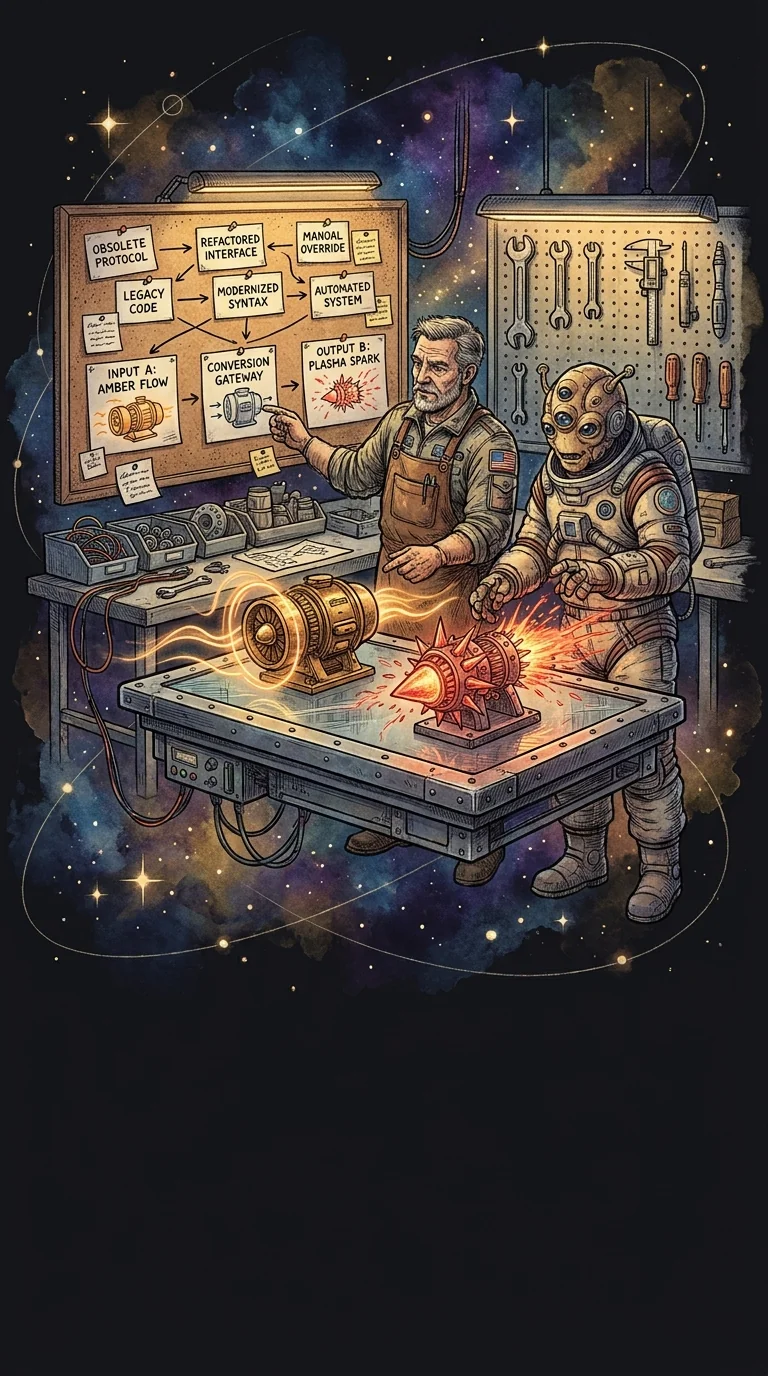
Step one: write down what you want someone to do. Step two: write the reason you'd give them — then label it TOWARD or AWAY FROM. Step three: if it's desperation, rewrite it as inspiration. If it's inspiration and the stakes are genuinely urgent, add one line of honest consequence. You're not eliminating an engine — you're learning to shift gears on purpose.
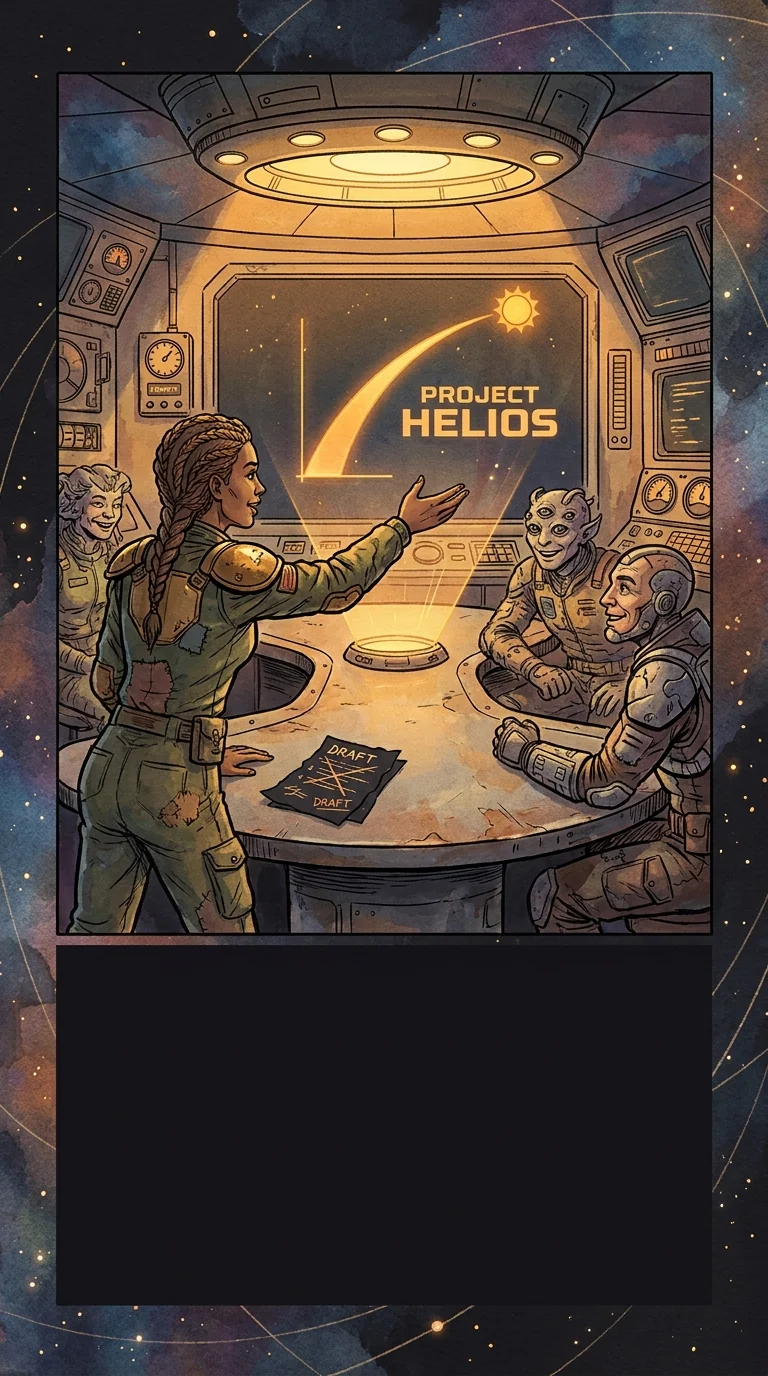
Maria almost led her project pitch with everything the team would lose if they didn't act. Then she ran the Engine Check. She rewrote the opening around what the team could build — and saved the deadline pressure for one honest line near the end. Her manager later said it was the first pitch that made people want to volunteer instead of just comply.

You now have two engines and the awareness to choose between them. That's not a small thing — that's the difference between someone who moves people and someone who just scares them into motion. Run the check before your next ask. You might be surprised which gear you've been stuck in.