Move People Toward Something
Fear is a spectacular short-range fuel. It'll get you off the launchpad — and then it'll burn your engines out somewhere around Tuesday.
Part 1: Move People Toward Something — Not Away From the Dark — Concept
+5 XP on completion
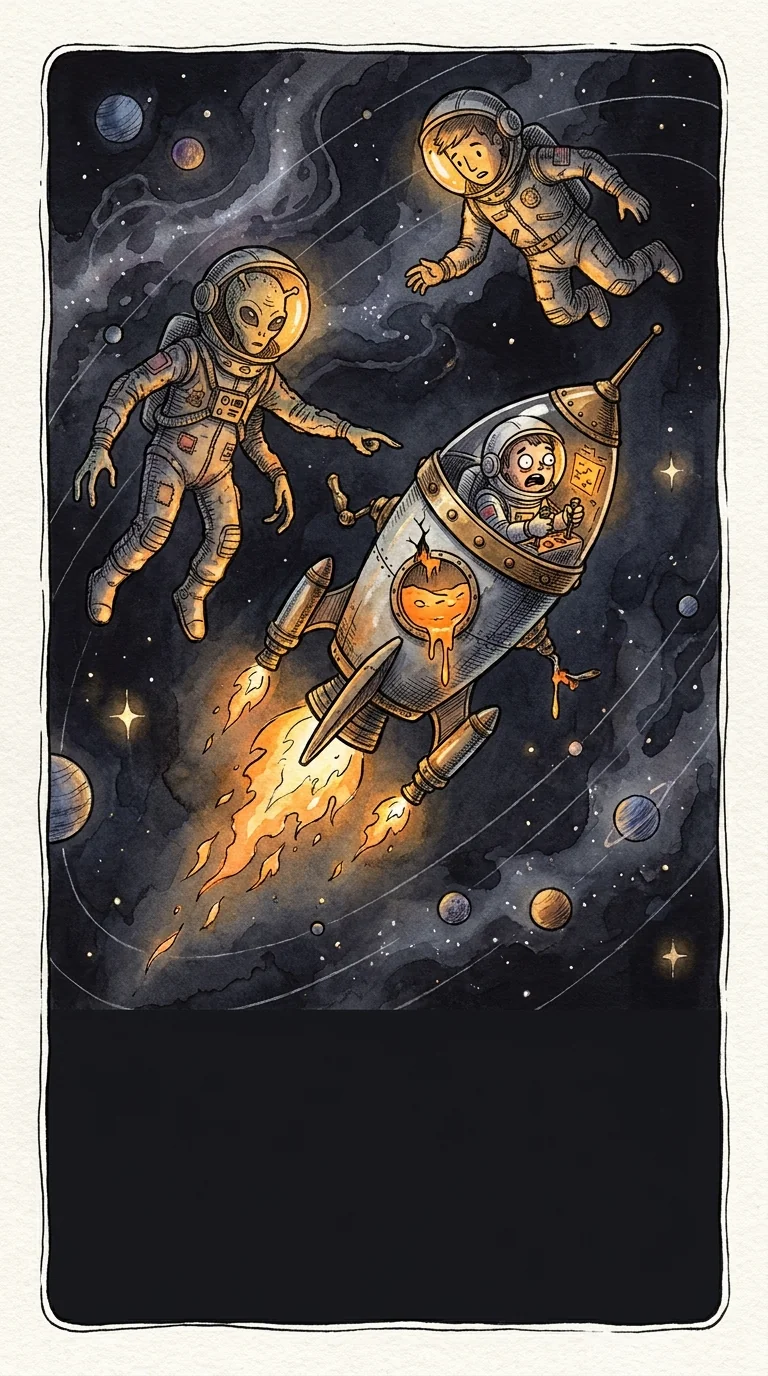
Fear is a spectacular short-range fuel. It'll get you off the launchpad — and then it'll burn your engines out somewhere around Tuesday.
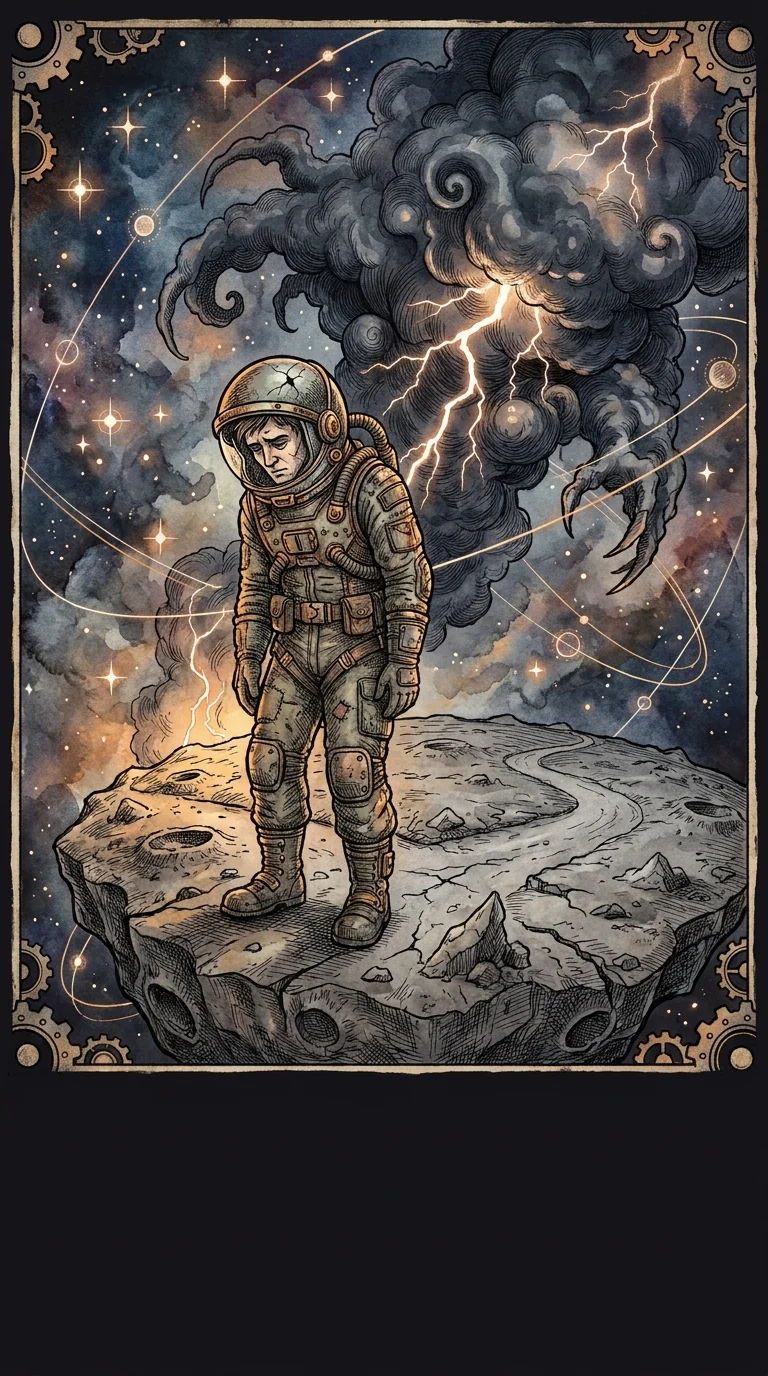
We love to motivate with worst-case scenarios. Lose the weight or your heart explodes. Hit the deadline or you're fired. The threat works — until it doesn't, and then you're just exhausted and resentful.
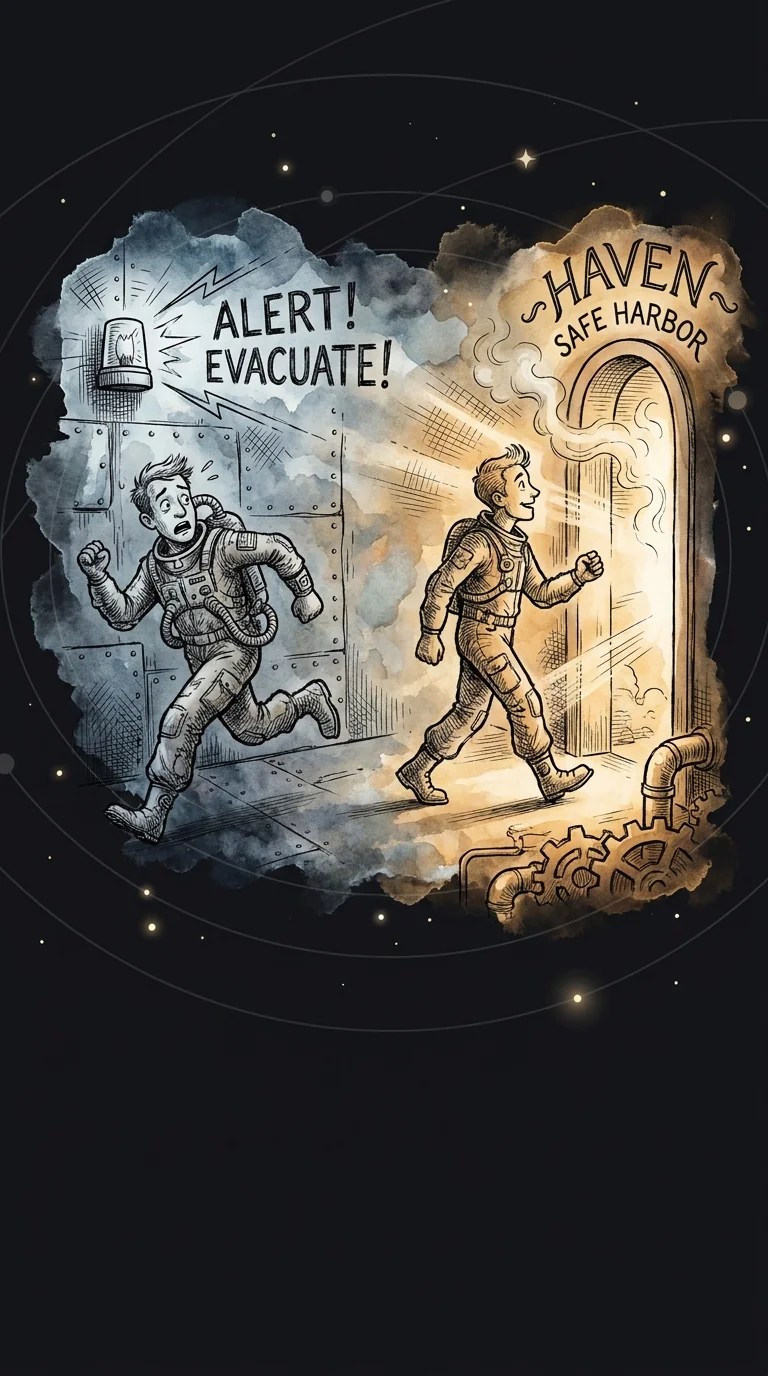
Away-from motivation fades the moment you feel safe. Toward-something motivation compounds the moment you feel pulled. One is a fire alarm. The other is a kitchen that smells incredible.
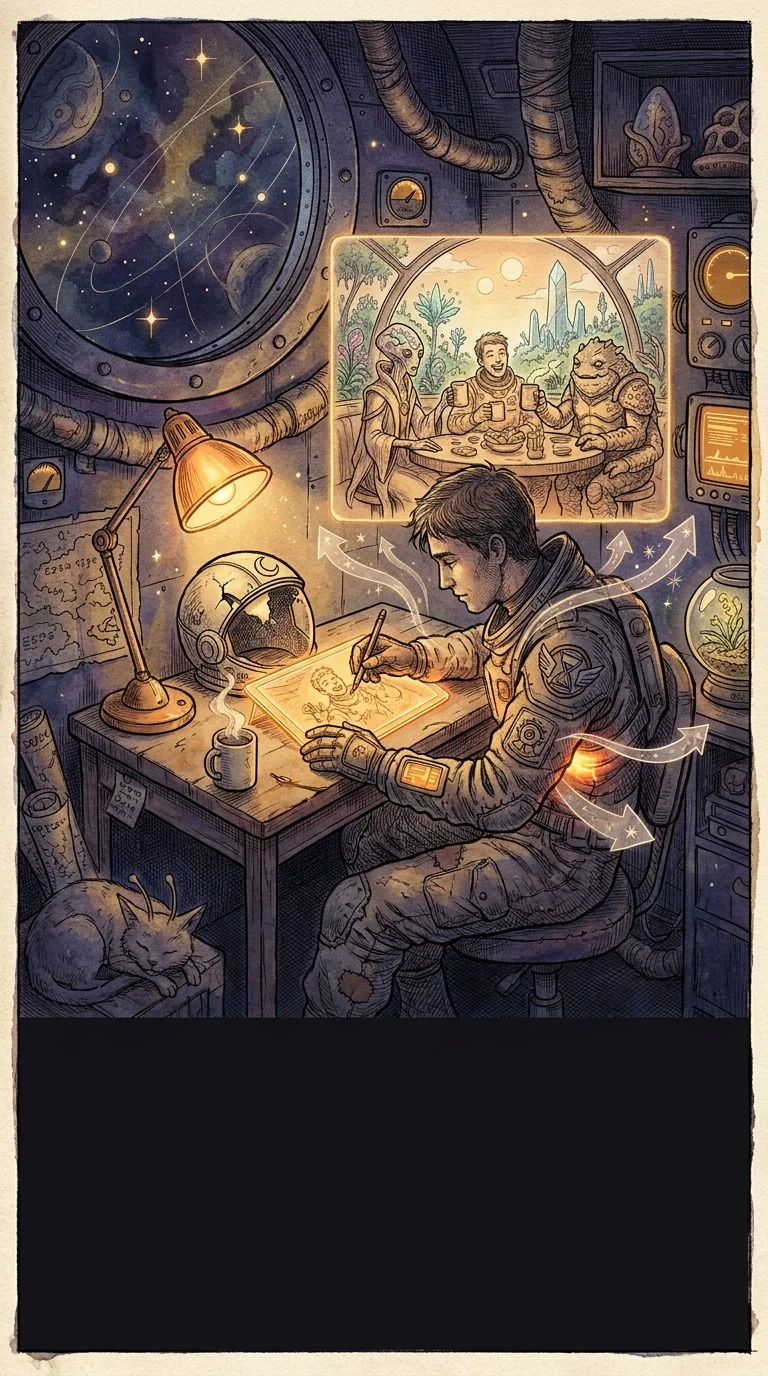
The mechanism is embarrassingly simple: make the destination vivid. Not "avoid disaster" — name exactly what the good version looks like, sounds like, feels like on a Wednesday afternoon. Specific futures pull harder than vague threats push.
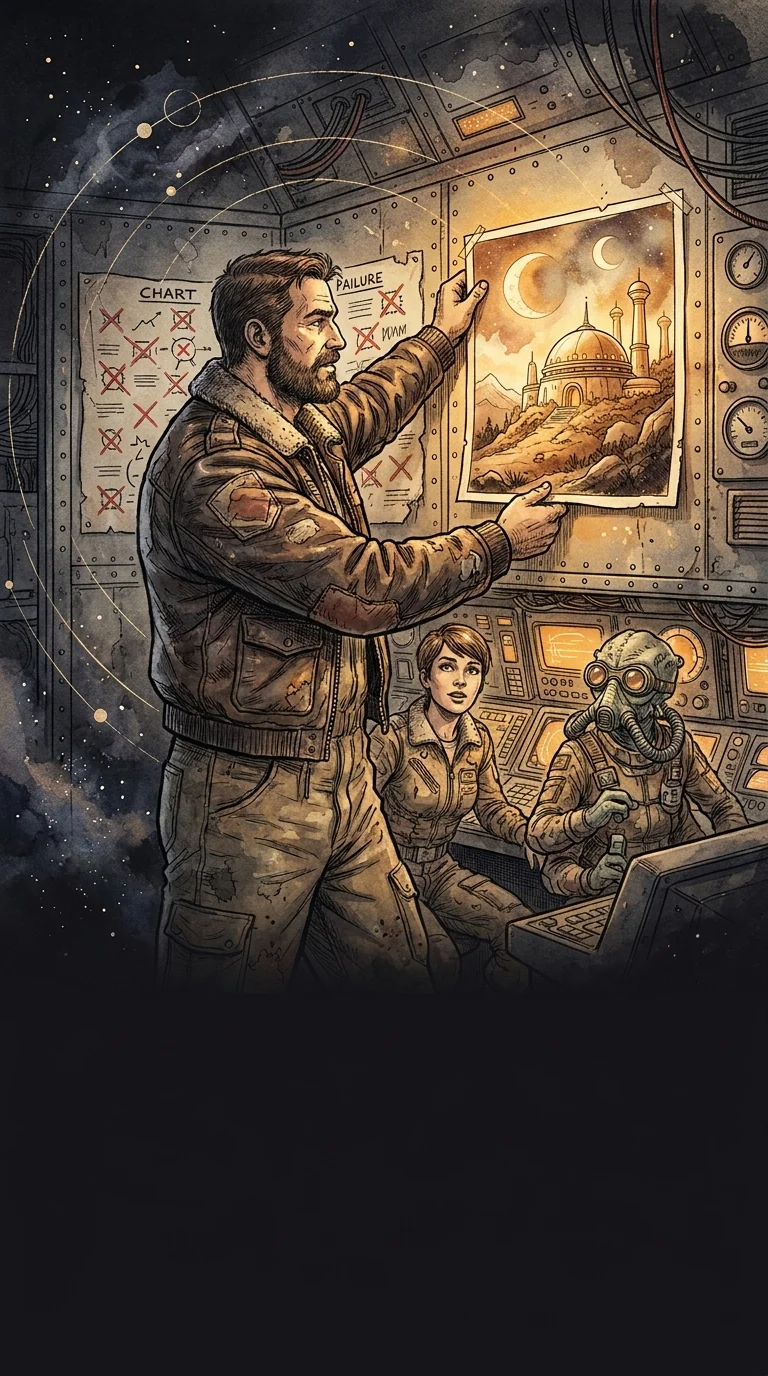
Marcus spent three months trying to get his crew to stop missing supply checks by posting failure reports on the wall. Compliance stayed flat. Then he pinned up a photo of the outpost they were building together — the one that needed every crate accounted for. Check completion hit ninety-six percent in two weeks. Nobody likes running from shame. Everybody likes building something real.
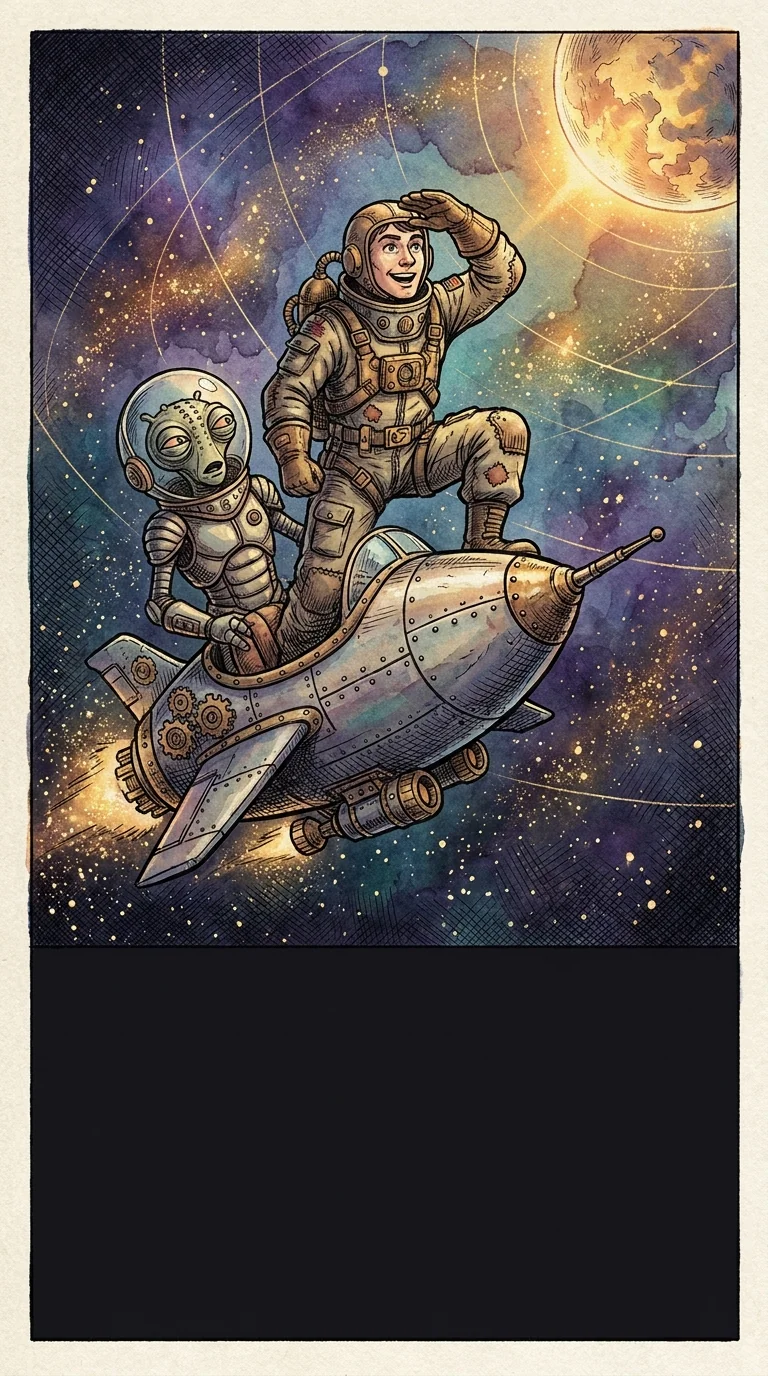
Threats get attention. Destinations get commitment. And you can learn to build a destination that actually pulls — starting now. In Part 2, you'll practice writing a vivid toward-picture for a change you've been trying to scare yourself into. See you there.
Part 2: Move People Toward Something — Not Away From the Dark — Practice
+10 XP on completion
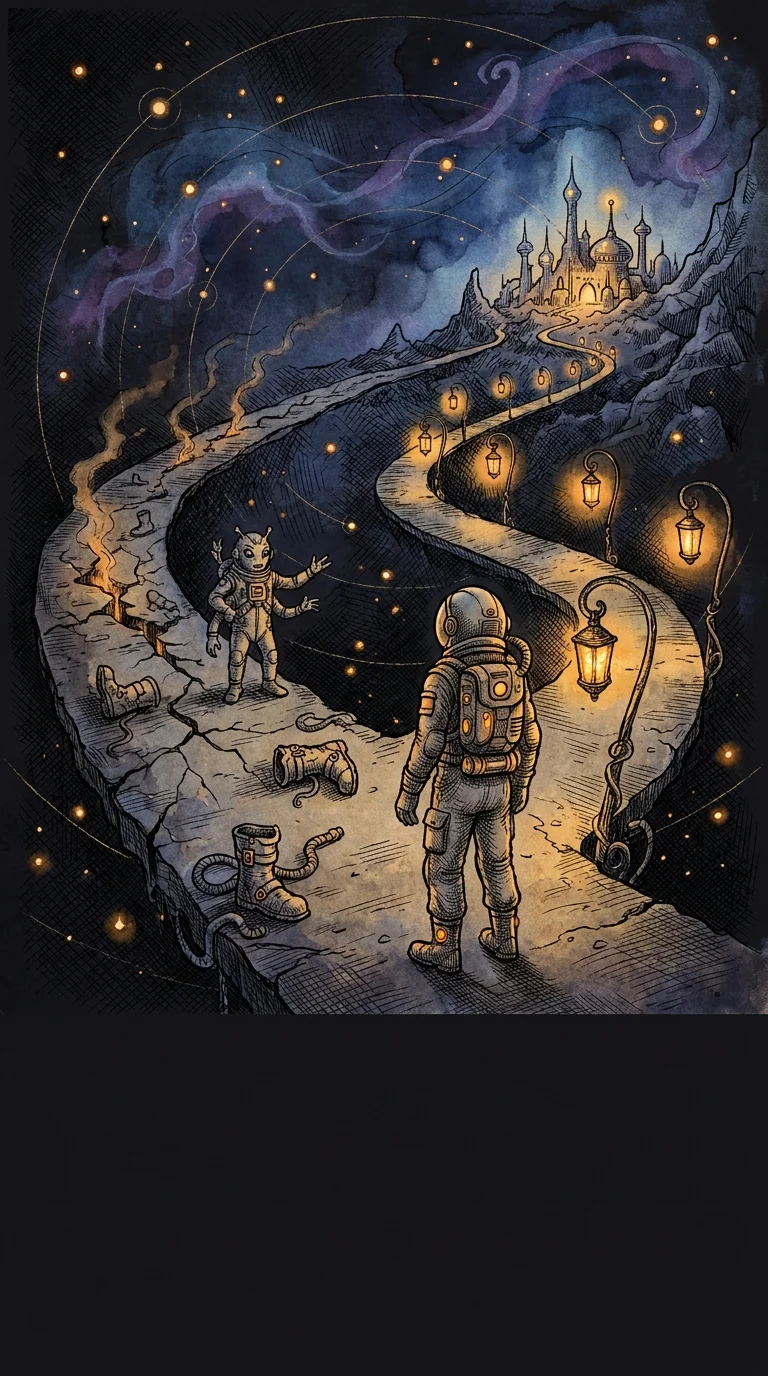
Fear-based motivation gets people moving. Toward-based motivation keeps them moving. One of those matters a lot more at month three.
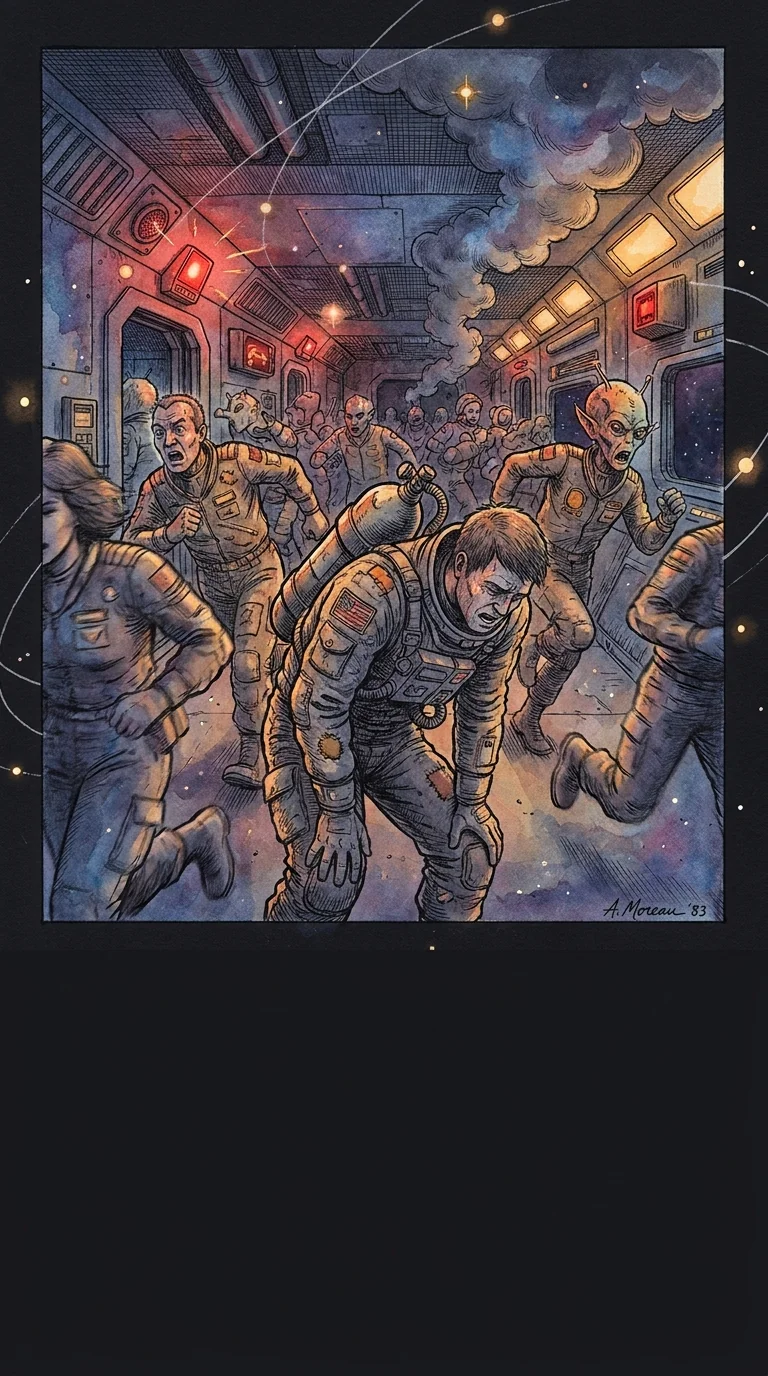
Most change pitches sound like evacuation alarms — all urgency, no destination. People will sprint from a burning building, sure. But nobody sprints forever.
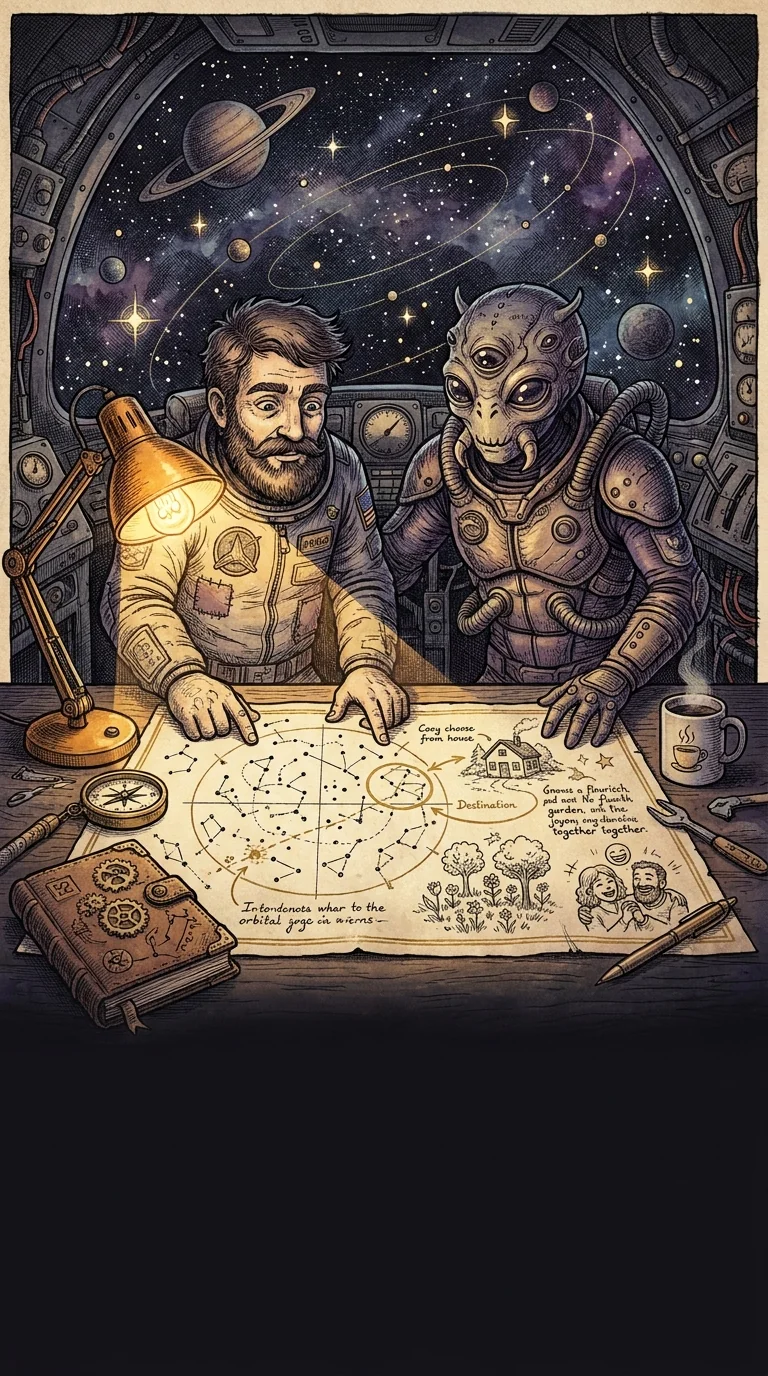
The technique is called the Bright Coordinates Method. Instead of naming what you're escaping, you name — with ridiculous specificity — exactly where you're headed and what it looks like when you arrive.
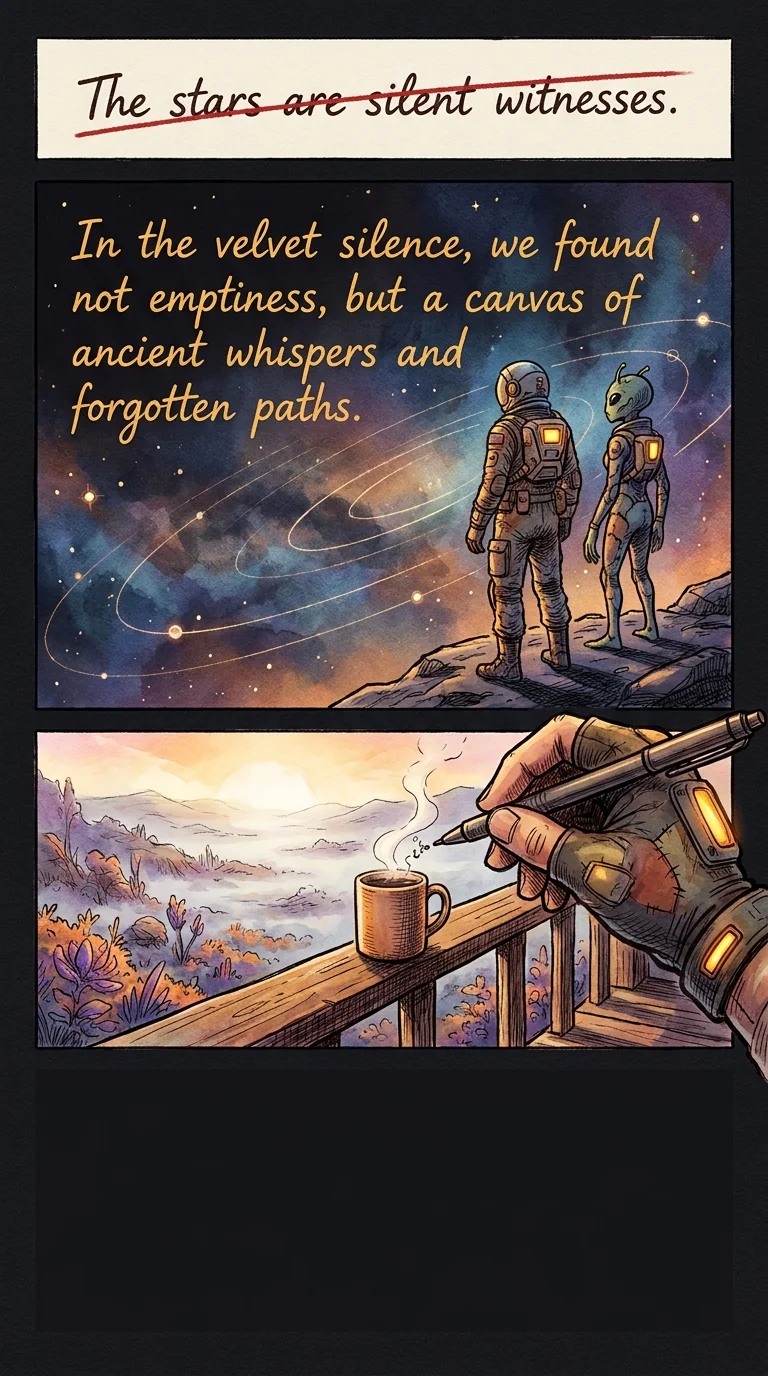
Three steps. First, write down the fear-based reason you want to change — the thing you're running from. Second, flip it: describe the specific future scene where that fear doesn't exist. Third, add one sensory detail so real you can almost taste it. That detail is your anchor.
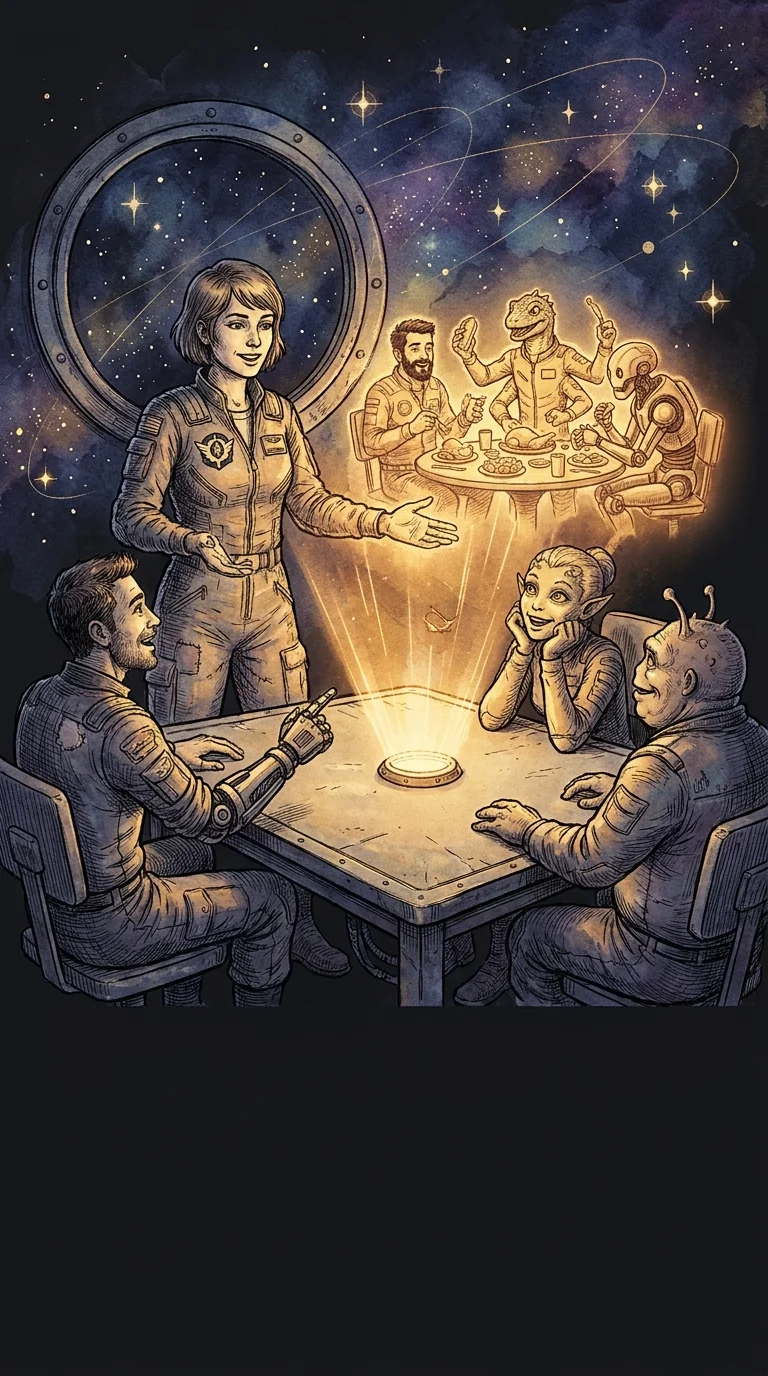
Maria kept telling her team they'd lose the contract if they didn't improve. Turnover was brutal. Then she tried Bright Coordinates — described exactly what winning the next project would feel like, down to the Friday lunch they'd share. Three people who'd been coasting started volunteering for extra shifts. Same team. Different engine.
You don't need a scarier warning. You need a destination worth the fuel. Name yours — the specific, sensory, absurdly vivid one — and watch how different the trip feels when you actually want to arrive.