Charisma Is a Skill, Not a Birthright
You've met someone who walks into a room and rearranges the gravity. Everyone leans in, laughs easier, agrees faster. You assumed they were born with that. They weren't.
Part 1: Charisma Is a Skill, Not a Birthright — Concept
+5 XP on completion
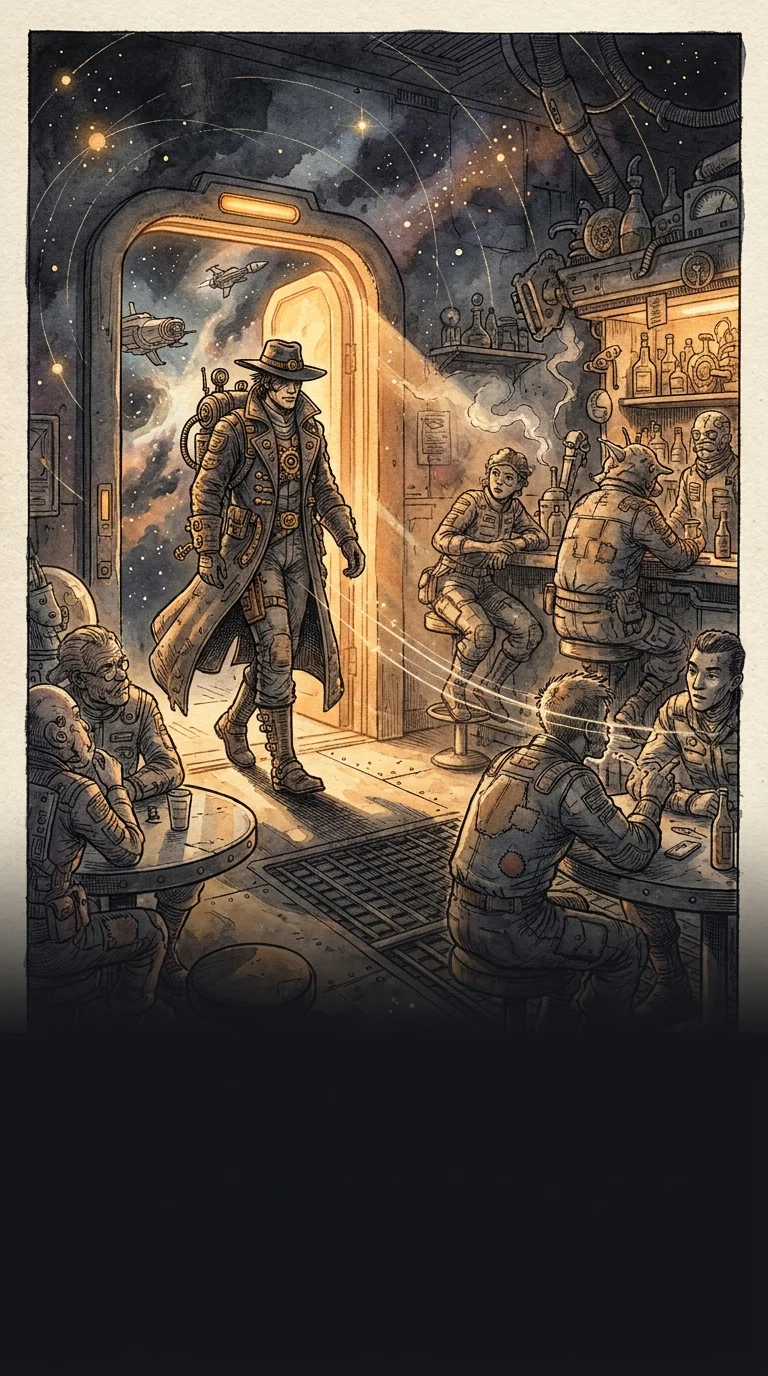
You've met someone who walks into a room and rearranges the gravity. Everyone leans in, laughs easier, agrees faster. You assumed they were born with that. They weren't.

We treat charisma like eye color — you either got the blue or you didn't. So we study tactics instead: power poses, mirroring, scripted openers. That's like painting flames on a cargo shuttle and calling it fast.
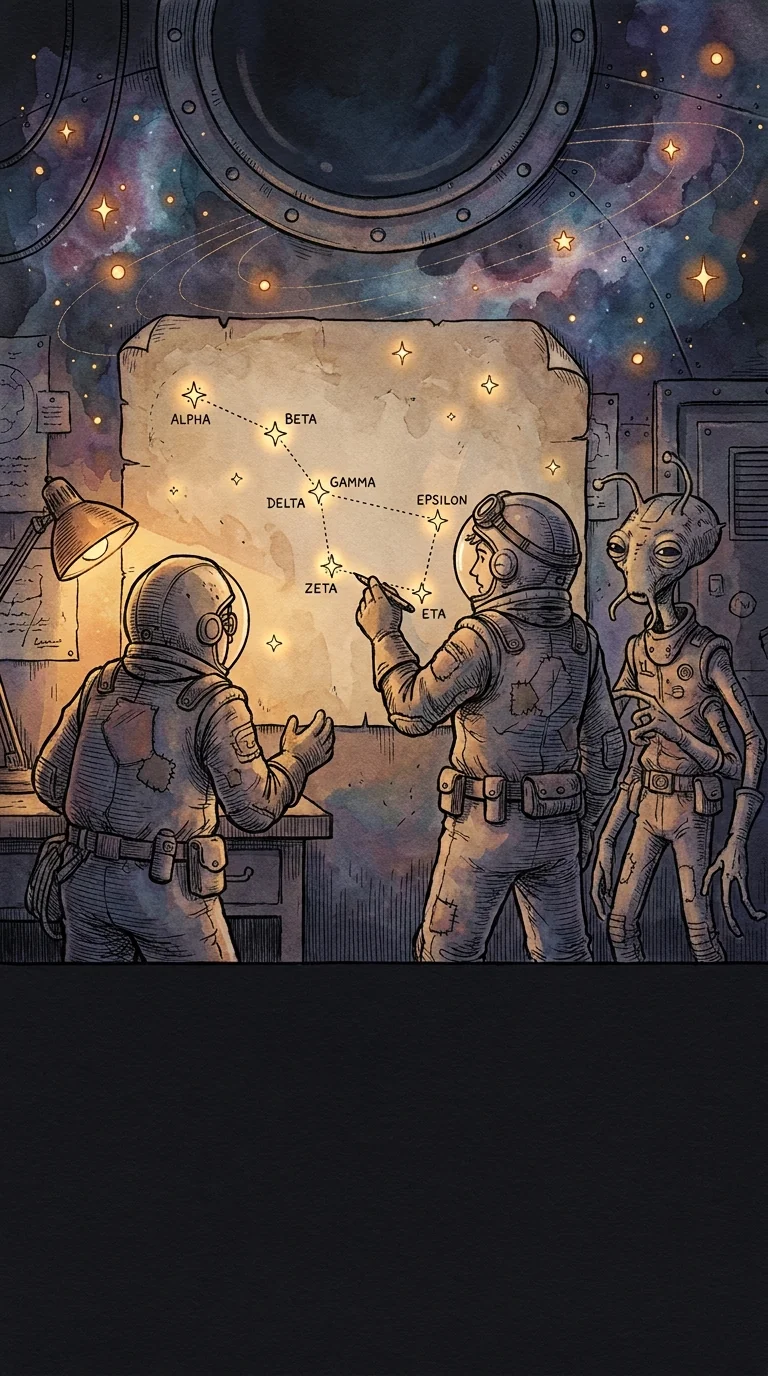
Deeply influential people share seven traits — and every single one is learnable. Presence. Warmth. Confidence. Expressiveness. Listening depth. Conviction. Curiosity. That's the whole list. No magic required.
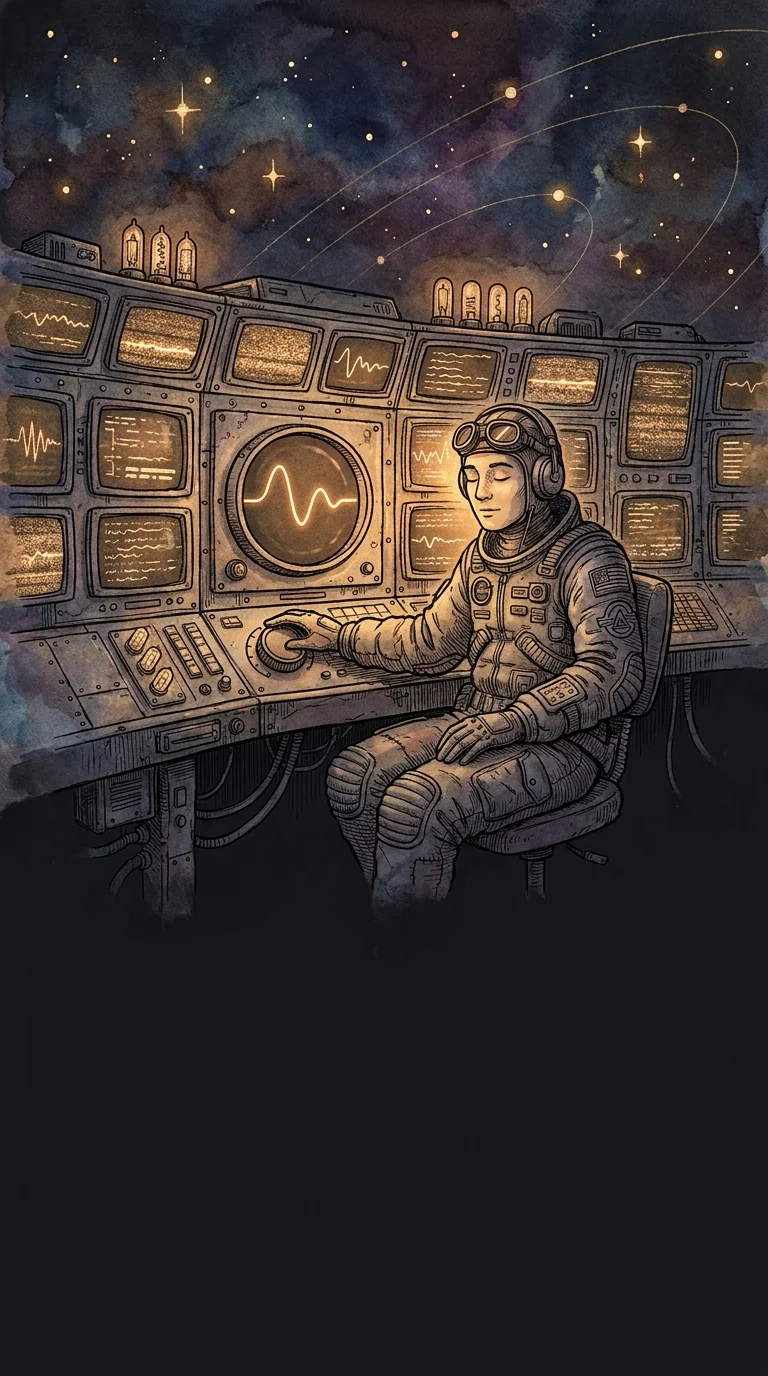
Here's what nobody admits: charisma isn't about output — it's about attention. The most magnetic people make you feel like the only signal in a universe full of noise. They do it by turning down their own broadcast and tuning into yours.
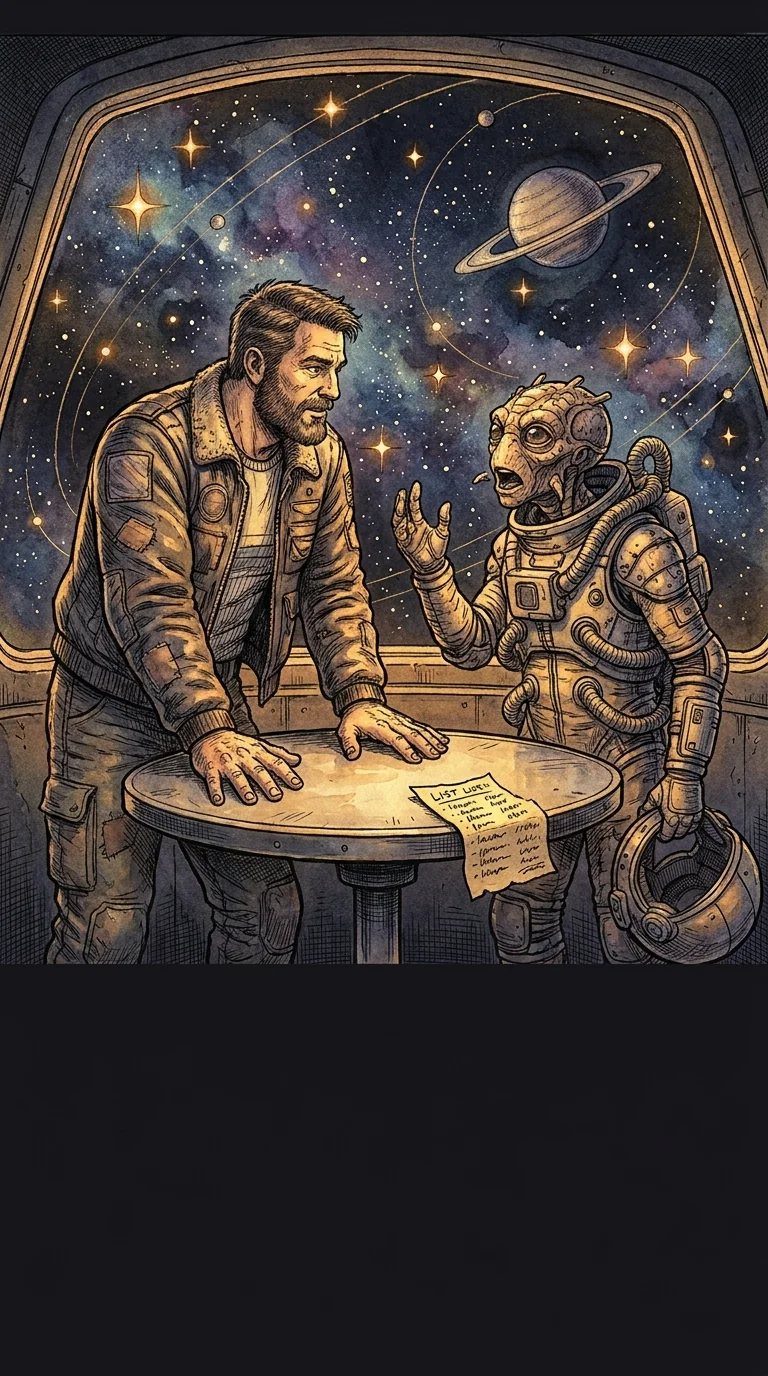
Marcus used to prepare for conversations like mission briefings — talking points, rehearsed stories, exit strategies. Then he tried one thing: asking a real question and actually waiting for the answer. People started telling him he was different. He was. He'd finally stopped performing and started arriving.
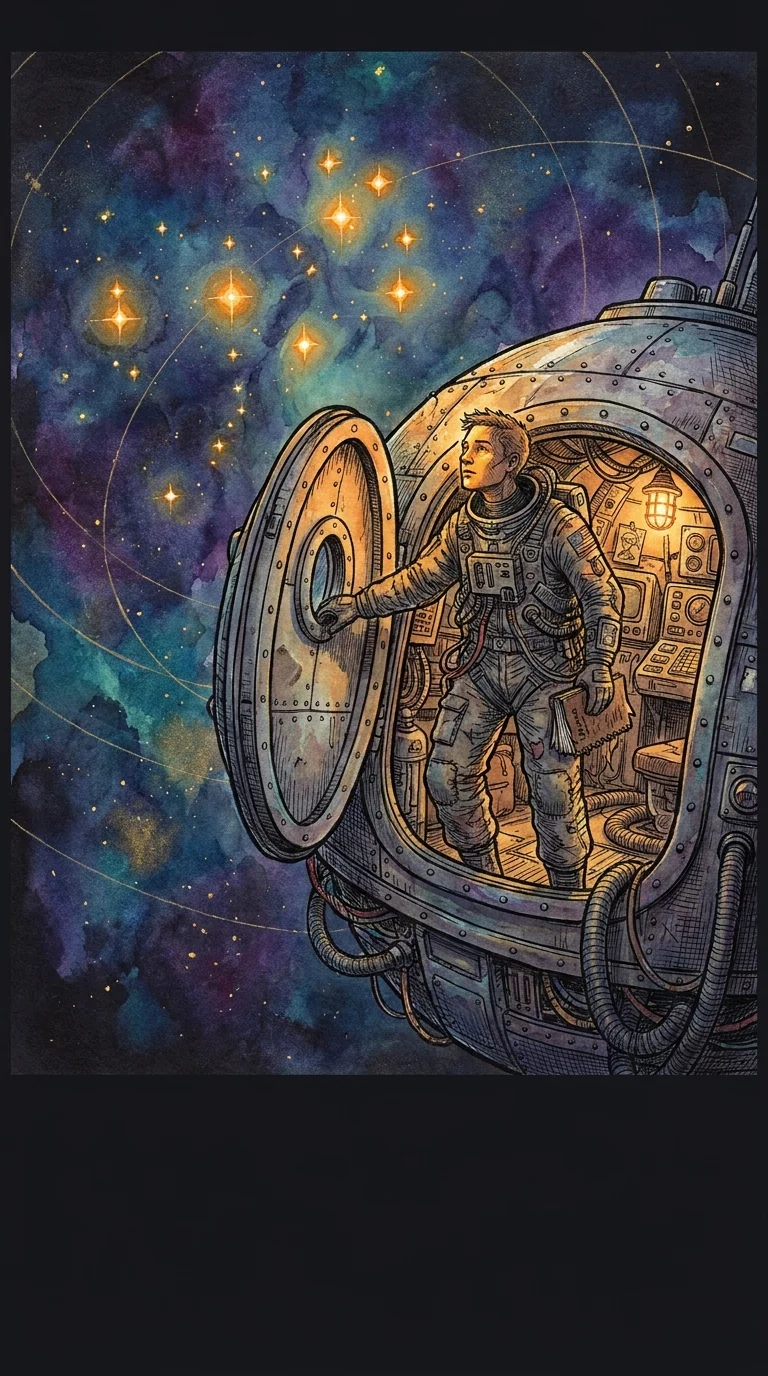
Seven traits. All practicable. None of them require a personality transplant — just a willingness to aim your attention somewhere other than your own anxiety. In Part 2, you'll practice building each trait into a single real conversation. See you there.
Part 2: Charisma Is a Skill, Not a Birthright — Practice
+10 XP on completion
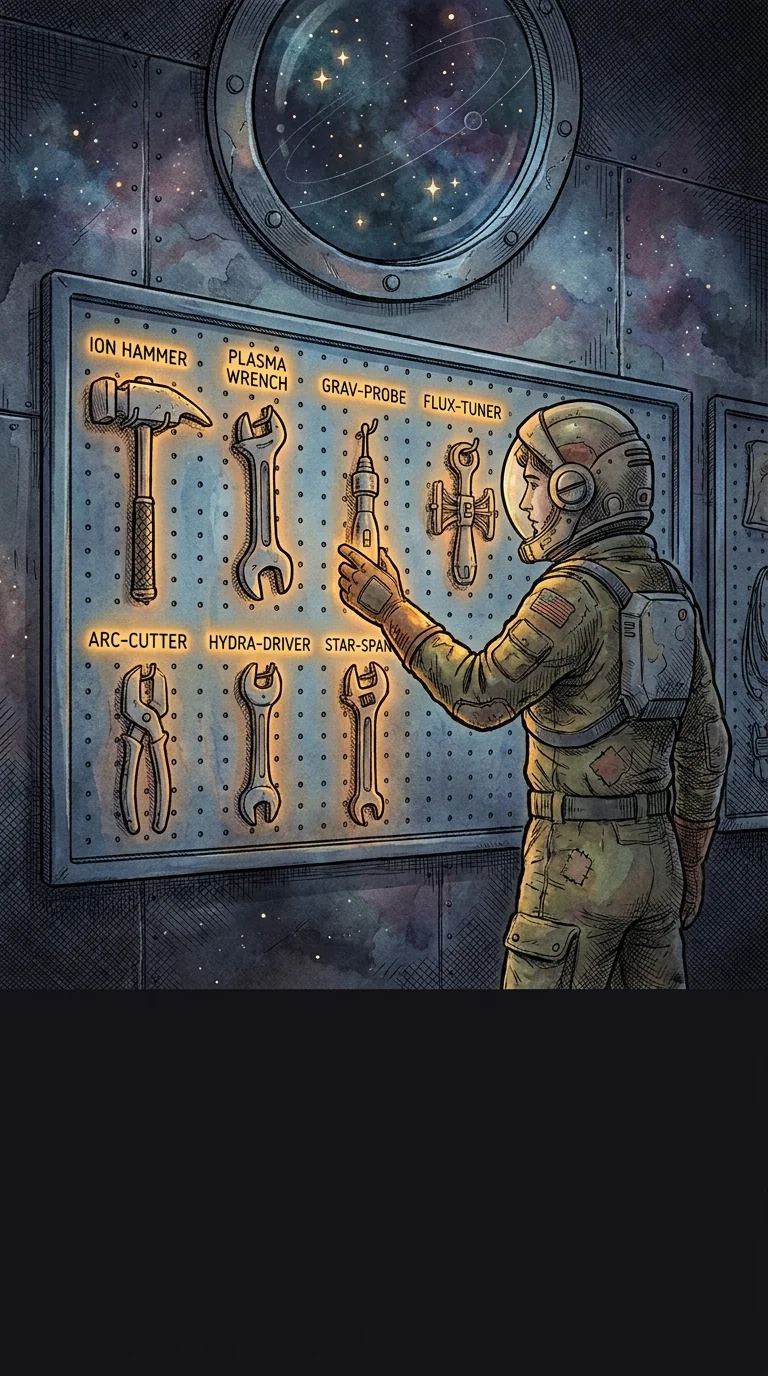
Charisma isn't a gift bestowed at birth by some generous universe. It's seven learnable traits — and today you pick one and start drilling it like a pilot running pre-flight checks.
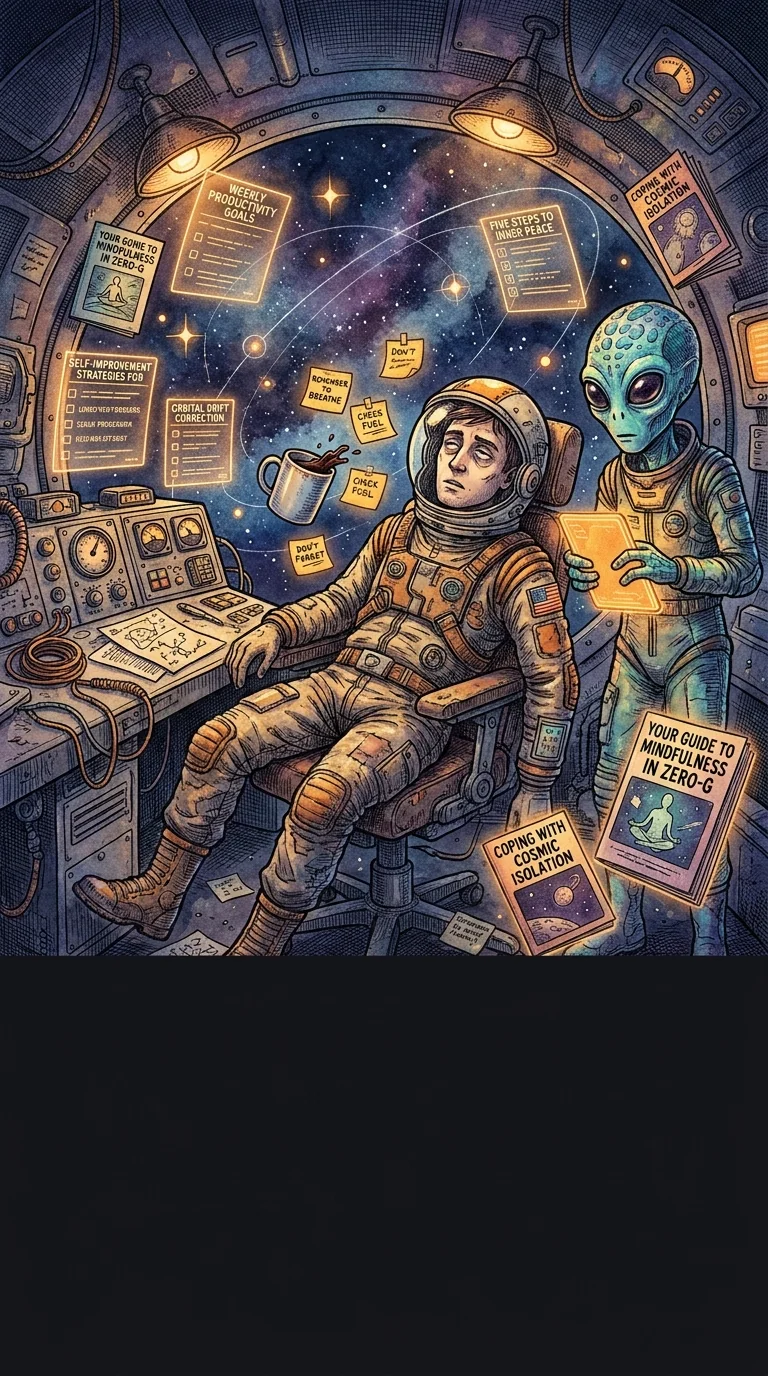
Most attempts at becoming more charismatic look like this: you read a list of traits, nod wisely, change nothing, and wonder why people still glaze over when you talk. Absorbing a concept and practicing a concept are different galaxies.
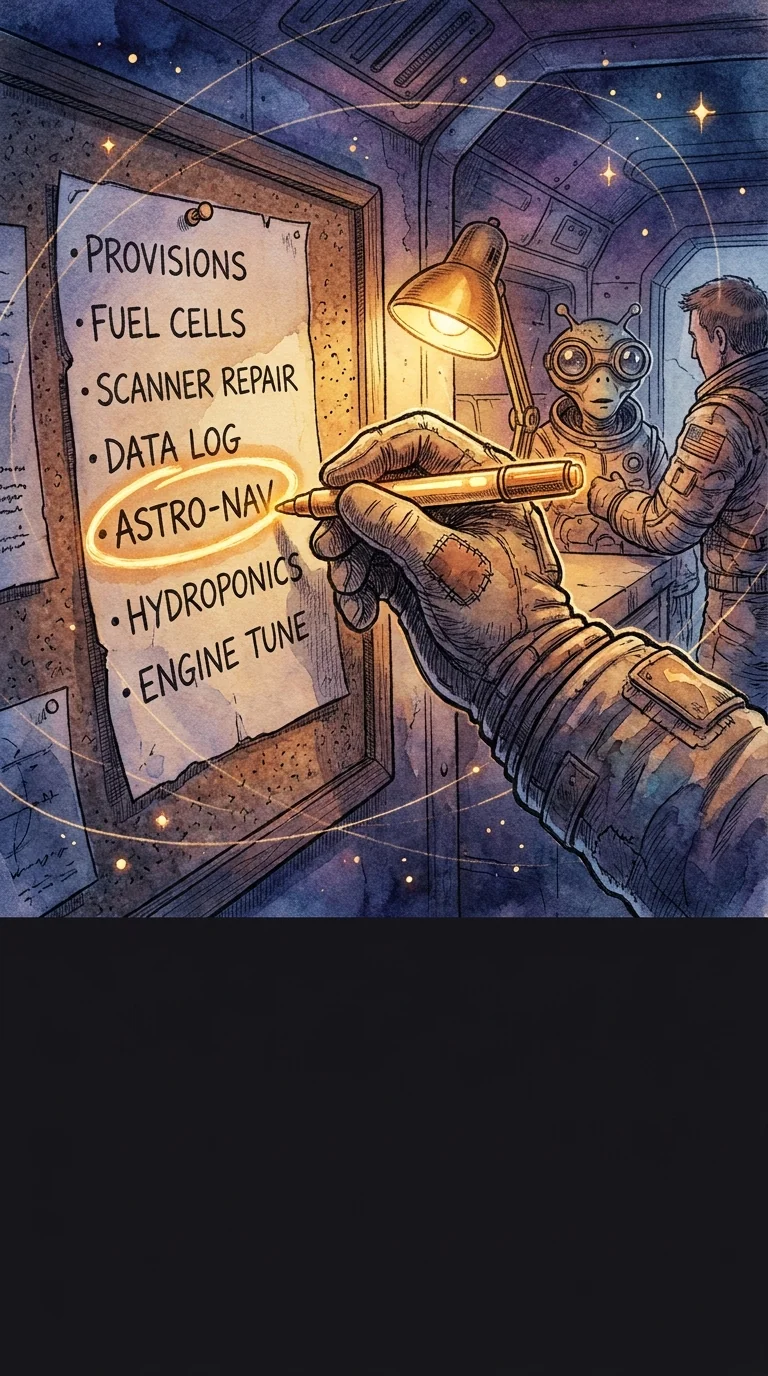
The trick is what I call the Single-Trait Sprint. You don't juggle all seven traits at once — you pick one, commit to it for a full week, and practice it in every conversation until it stops feeling like acting and starts feeling like breathing.
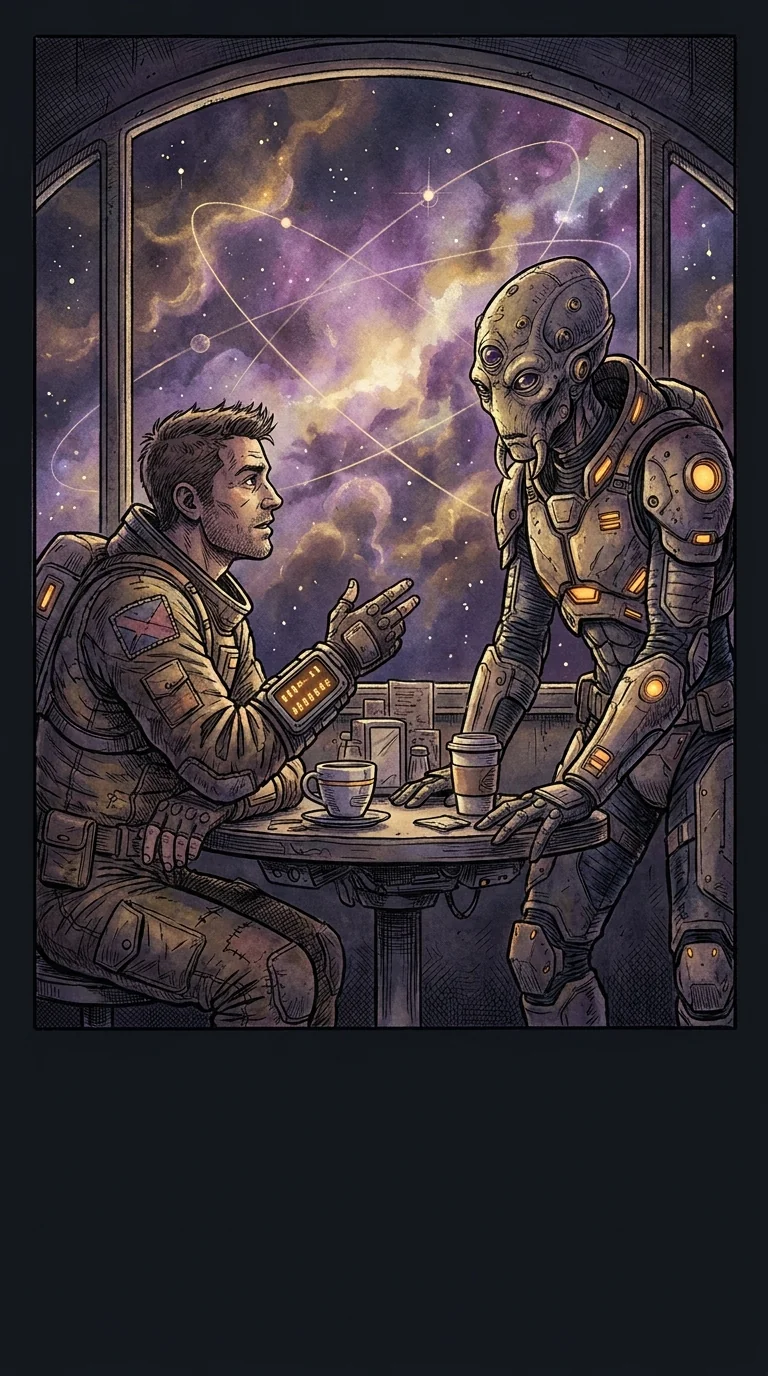
Here's how it works. Pick one trait — say, genuine curiosity. For seven days, in every interaction, ask one real follow-up question you actually want the answer to. Not performative. Not clever. Just curious. Track it: tally marks on your wrist screen, a note in your pocket, whatever keeps you honest.
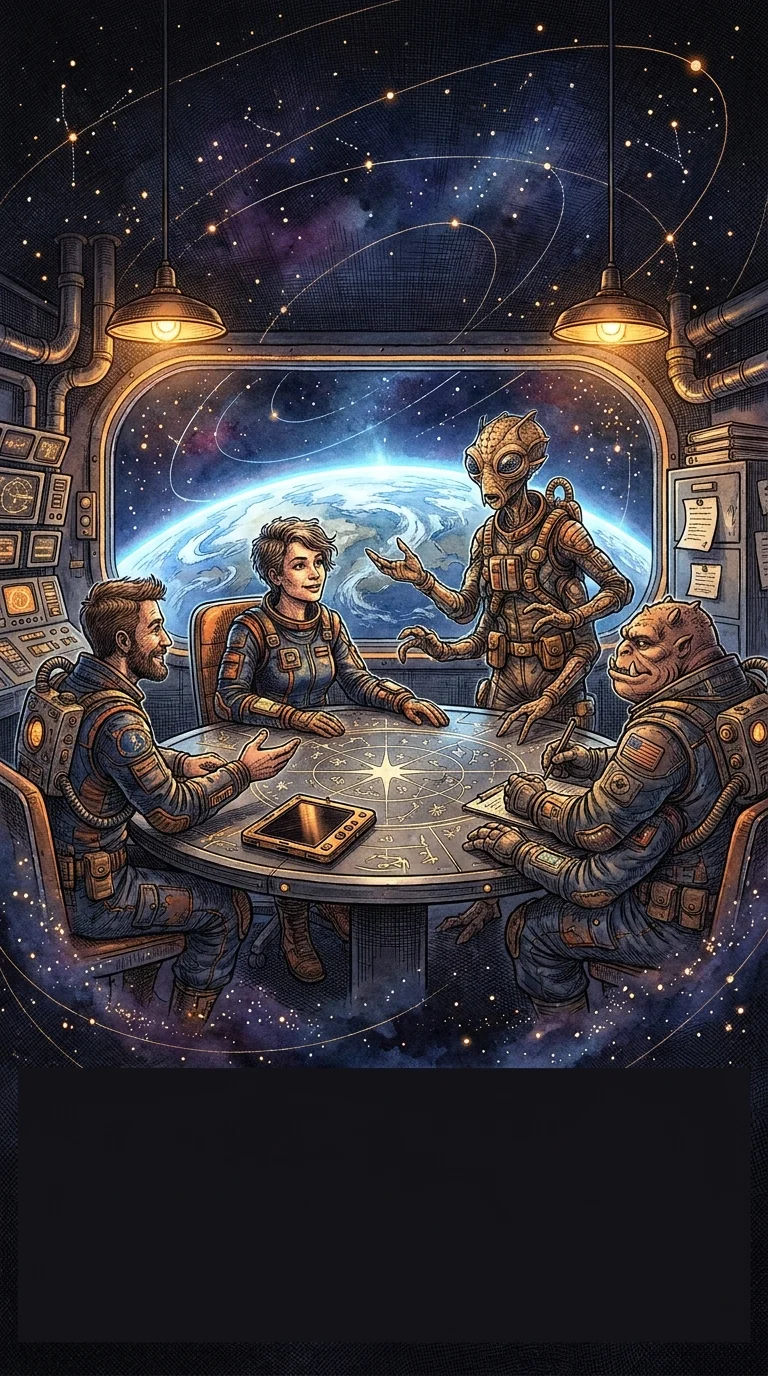
Lisa picked presence — the trait she scored lowest on. For one week she put her device face-down in every meeting and held eye contact two seconds longer than comfortable. By Thursday her project lead said something nobody had ever told her: "You're the only person who actually listens in these rooms." She hadn't become someone new. She'd just stopped leaving.

You don't need all seven traits firing at once. You need one, practiced until it's real — then you add the next. Charisma isn't a costume you put on. It's a muscle you've been neglecting, and it remembers fast.