Fear and Unpreparedness: The Two Tells That Get You Read
You walk into the room, and everyone at the table can smell it on you — not cologne, not confidence. Fear. It leaks out of your posture like a slow atmospheric breach, and the people across from you read it before you fi
Part 1: Fear and Unpreparedness: The Two Tells That Get You Read — Concept
+5 XP on completion
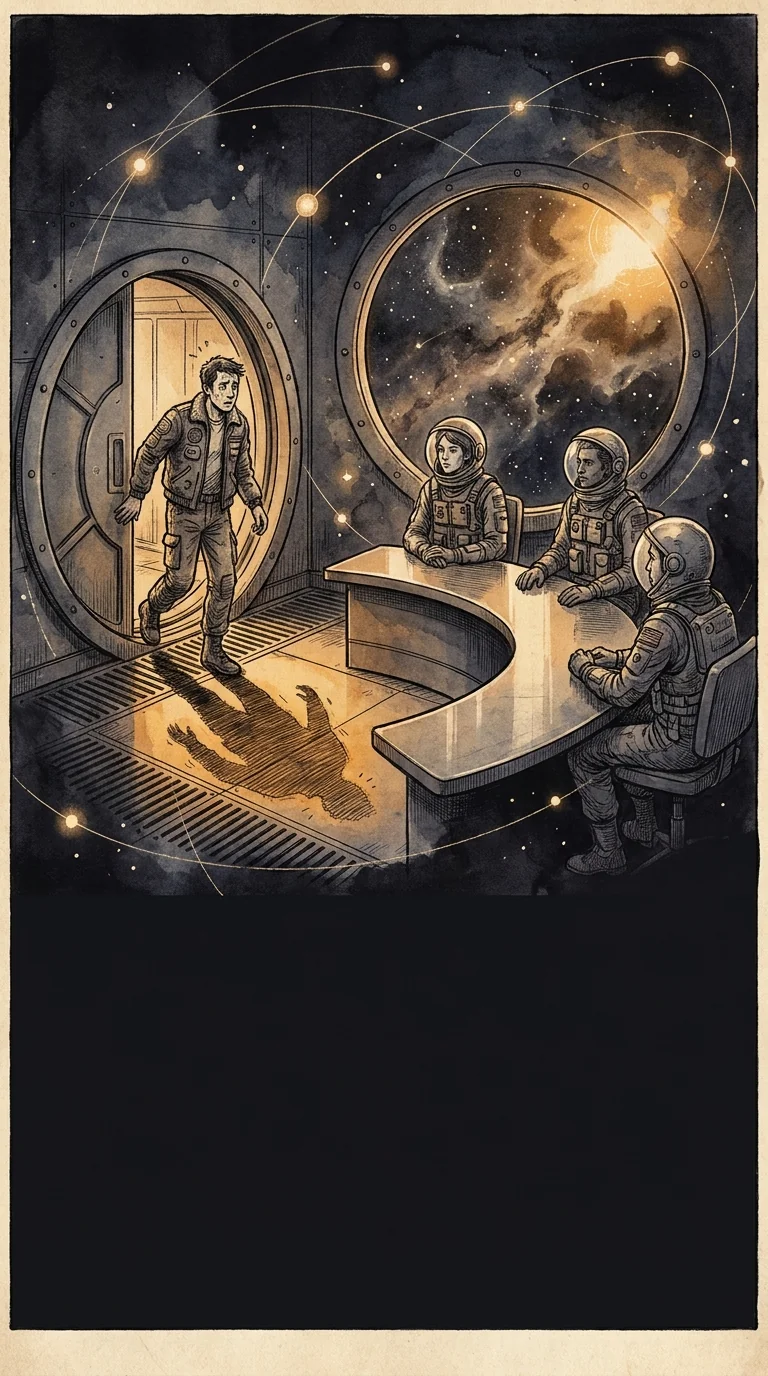
You walk into the room, and everyone at the table can smell it on you — not cologne, not confidence. Fear. It leaks out of your posture like a slow atmospheric breach, and the people across from you read it before you finish saying hello.
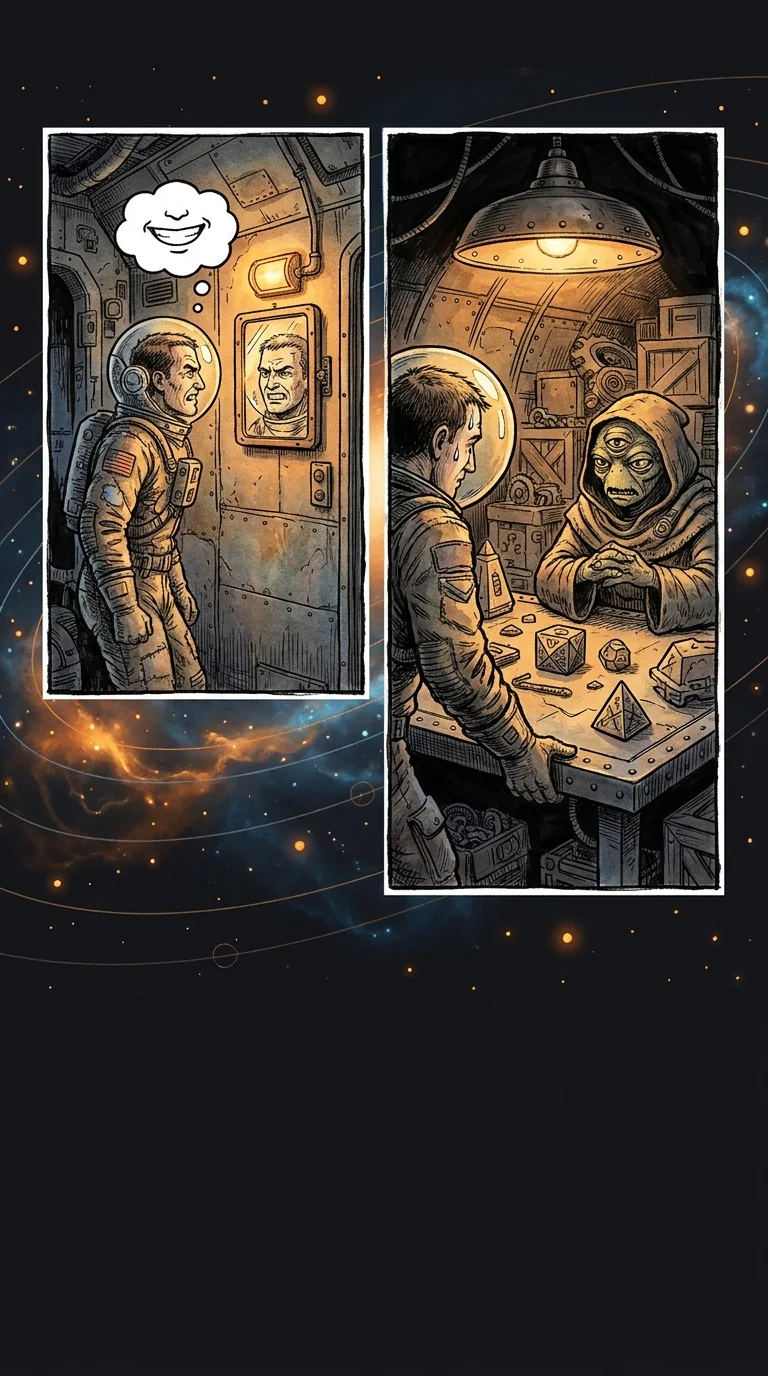
Fear and unpreparedness are the two tells that give you away every time. You can fake a smile, rehearse a handshake, even memorize a script — but if you haven't done the work and you're terrified of 'no,' your whole frequency shifts. People don't need to be perceptive to notice; they just need to be awake.
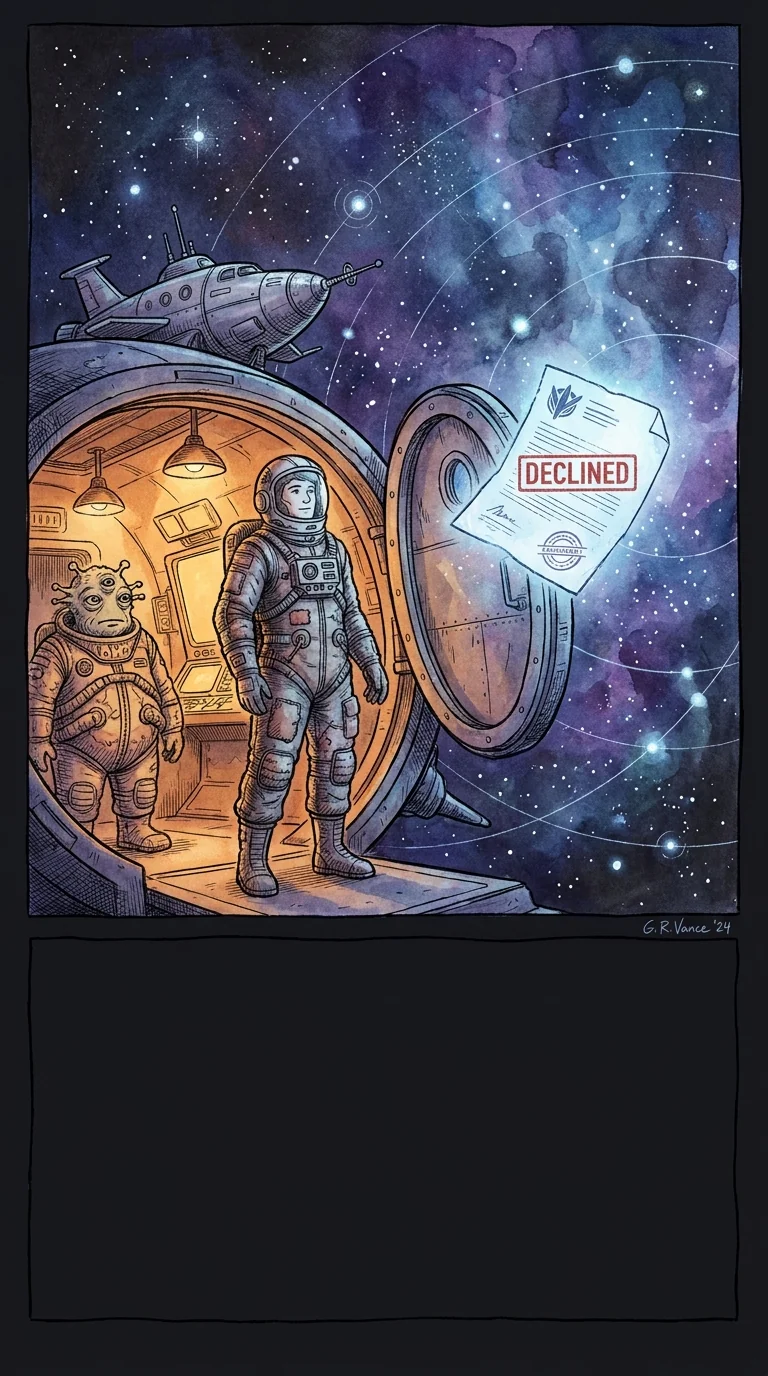
Here's what nobody admits: rejection isn't personal — it's transactional. They're not rejecting you. They're rejecting a proposal that didn't land. Once you separate yourself from the ask, the fear loses about ninety percent of its voltage.
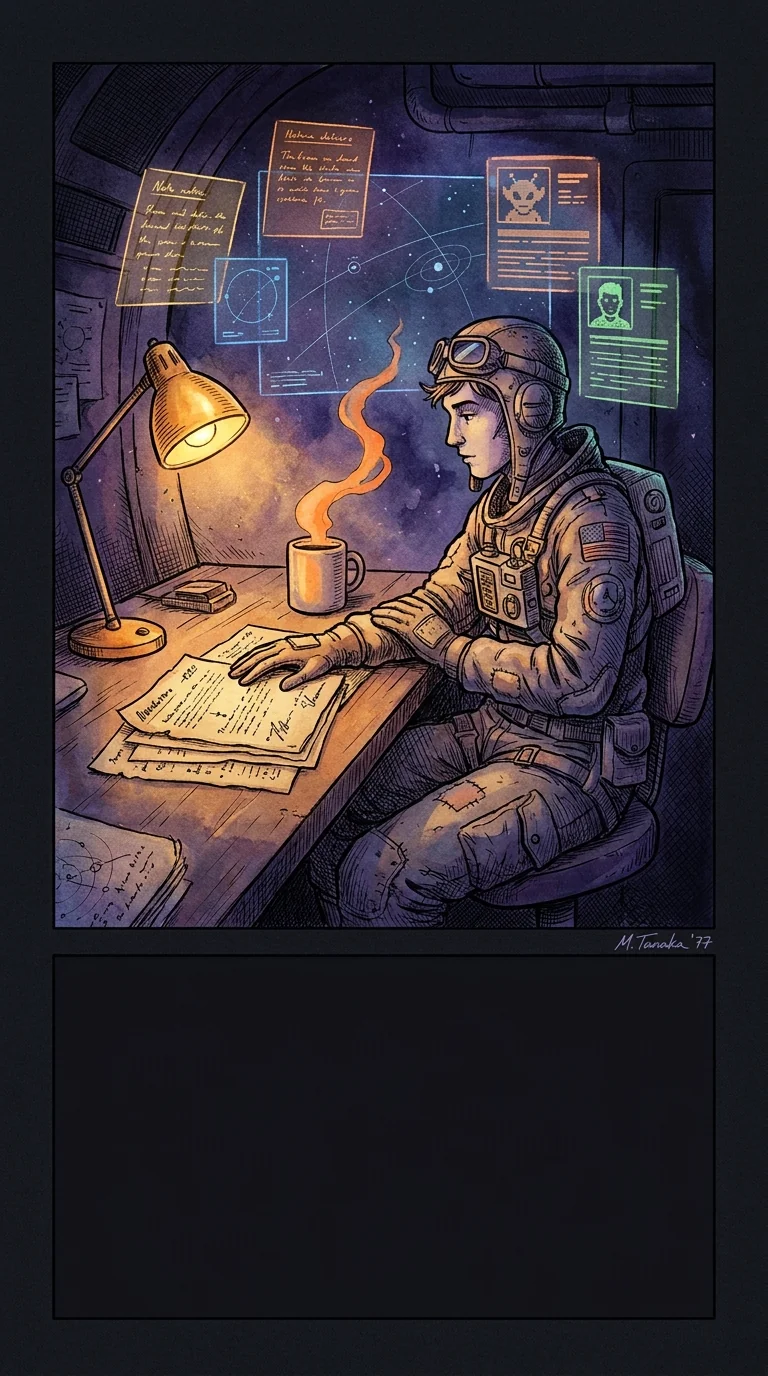
Preparation is the silent differentiator. When you've studied the person, anticipated the objections, and built your case before you sit down, something shifts in your nervous system. You stop broadcasting desperation and start broadcasting competence — and the room recalibrates around you without anyone saying a word.
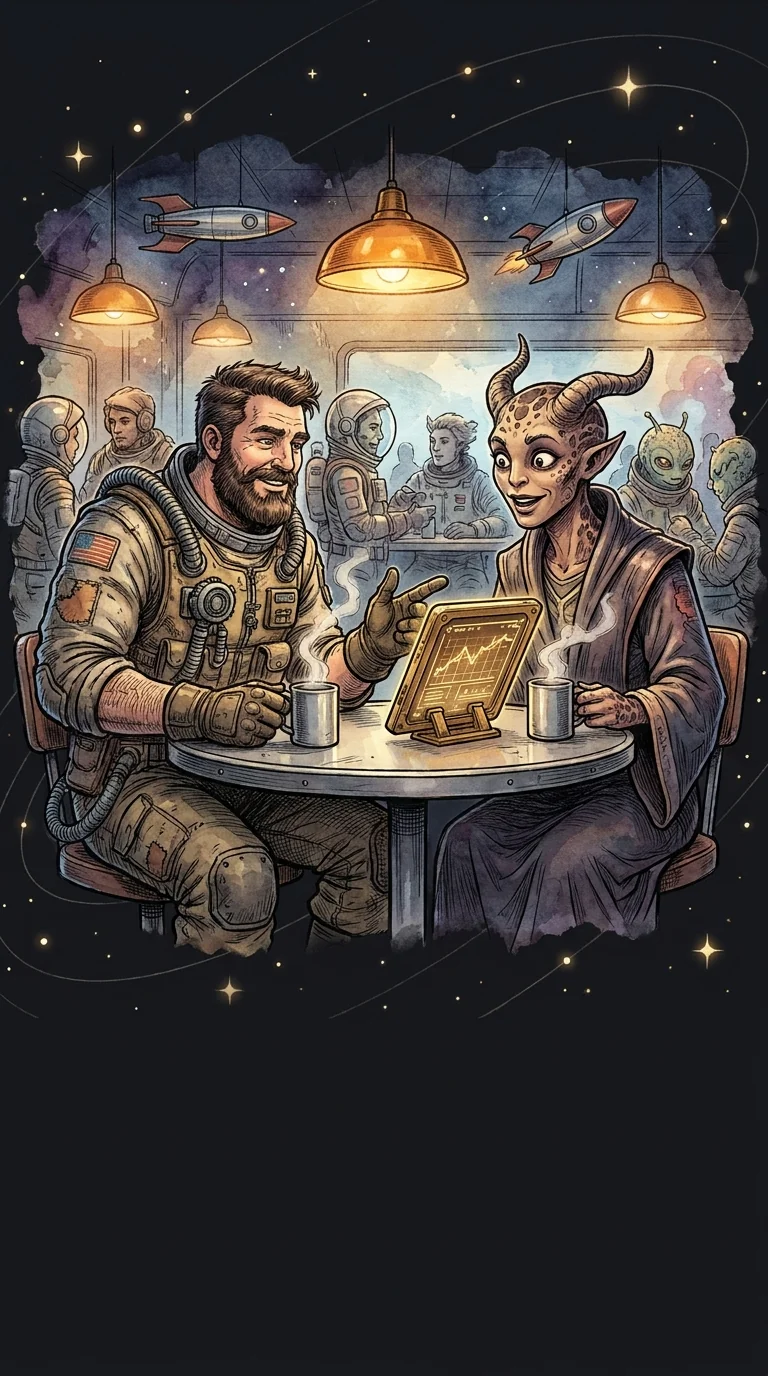
Marcus pitched the same contract to the same client three times. The first two, he winged it and spent the whole meeting bracing for rejection. The third time, he spent two hours researching their last quarterly report and opened with a question about their cargo margins. He got the contract in eleven minutes. Same Marcus. Different preparation.
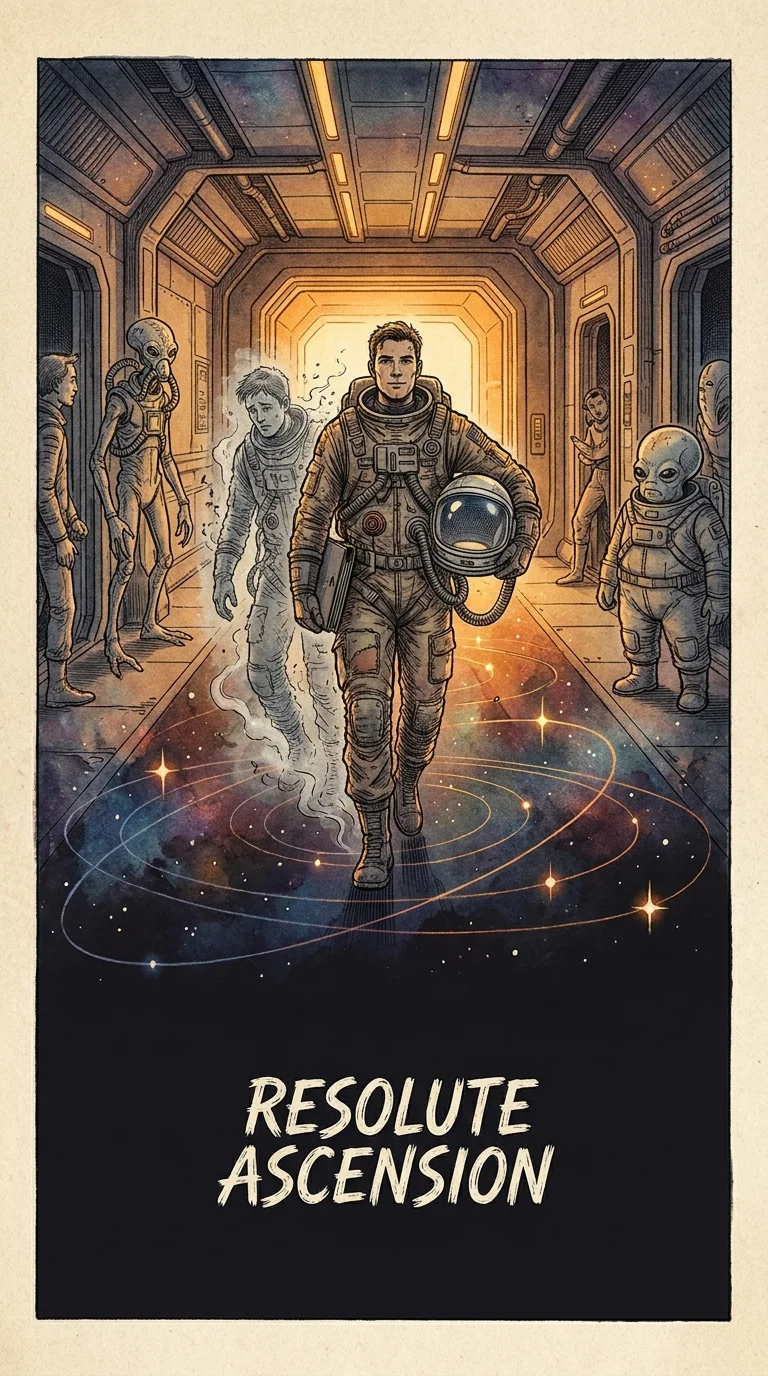
Fear broadcasts. Preparation silences the broadcast. The good news is that one of these is entirely in your control — and it's the one that actually matters. In Part 2, you'll practice separating yourself from the ask and building a quick-prep checklist that kills the tell before you walk into any room. See you there.
Part 2: Fear and Unpreparedness: The Two Tells That Get You Read — Practice
+10 XP on completion

Fear and lack of preparation are the two signals that leak through every pitch, every ask, every negotiation — and people read them instantly. So today you learn how to seal those leaks before you walk in the room.
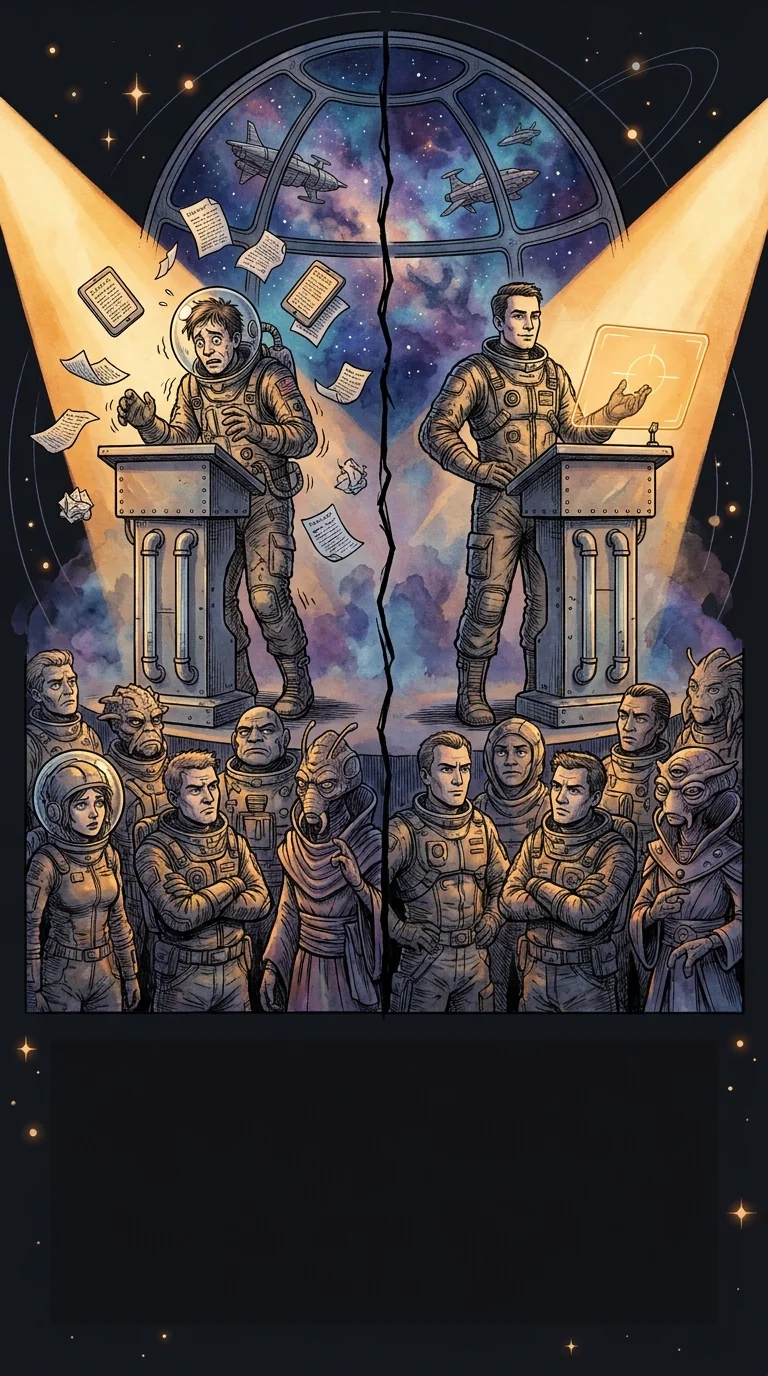
Most rejections aren't personal — they're a response to the tremor in your voice or the gap in your logic. The problem is that fear and unpreparedness feel identical from the outside, so the audience can't tell which one is eating you alive.
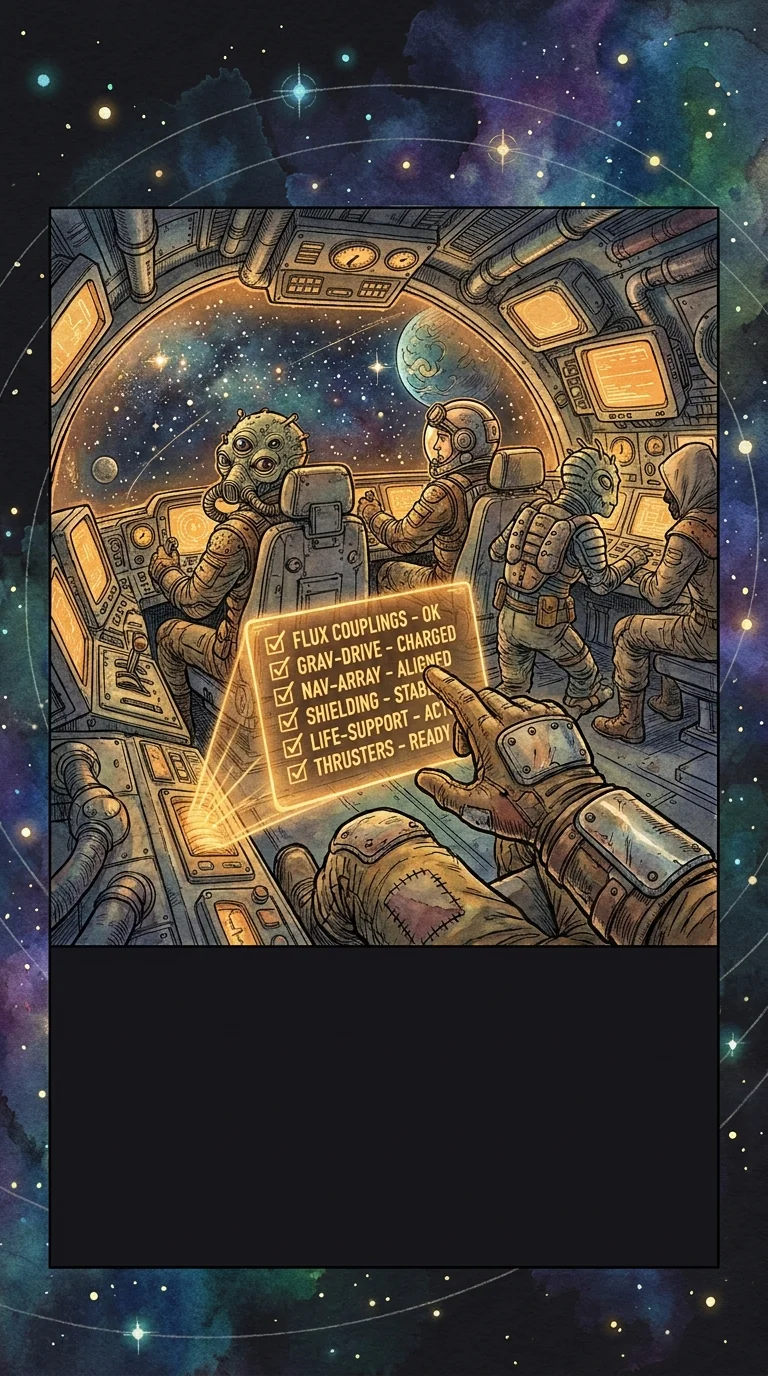
The technique is called the Pre-Flight Check. Pilots don't wing it at 30,000 feet, and you shouldn't wing it when something actually matters to you. Preparation doesn't kill spontaneity — it's the runway spontaneity takes off from.
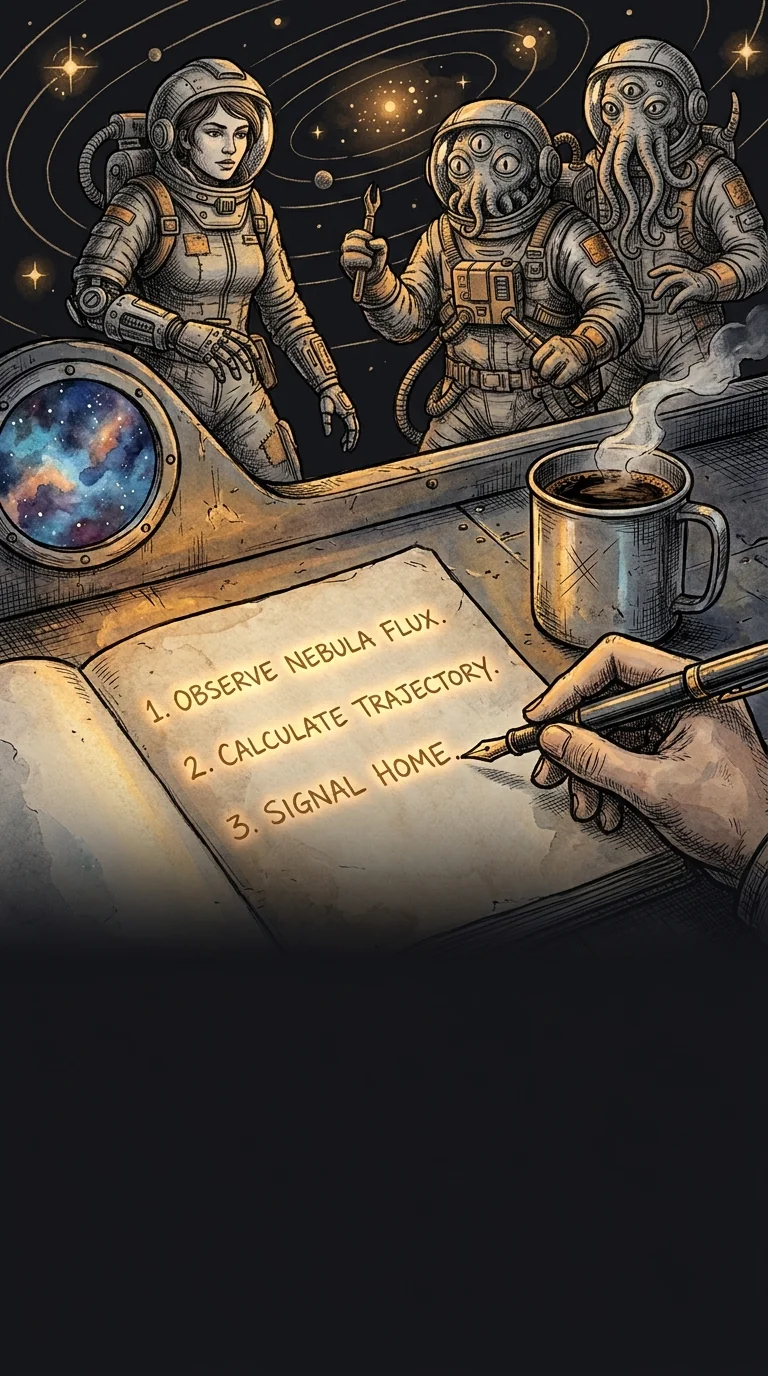
Before any high-stakes conversation, answer three questions on paper: What exactly am I asking for? What are the two strongest objections, and what's my answer to each? What's my walk-away line if they say no? That's it. Three questions, and you've killed ninety percent of the tremor.

Lisa used to spiral before client calls — rehearsing catastrophes instead of answers. She started doing the Pre-Flight Check on index cards, three questions, five minutes. The first call after that, the client pushed back hard on price. Lisa answered without flinching, because she'd already met that objection at her kitchen table.
Pick one conversation this week that makes your stomach clench. Sit down, answer the three questions, and walk in prepared. You'll be surprised how quiet the fear gets when it realizes you've already done the homework.