Instant Rapport: The Quiet Operator's Edge
You've been in the room with that person — the one who barely speaks, then says twelve words that shift the entire conversation. Everyone nods. Nobody quite knows why.
Part 1: Instant Rapport: The Quiet Operator's Edge — Concept
+5 XP on completion

You've been in the room with that person — the one who barely speaks, then says twelve words that shift the entire conversation. Everyone nods. Nobody quite knows why.

We assume the loudest voice wins the deal, the argument, the room. Decades of research say otherwise — and it's not even close.

Here's what nobody admits: listening is the most aggressive persuasion tool in existence. When you actually hear someone, their brain registers it as safety — and safety is the only door rapport walks through.
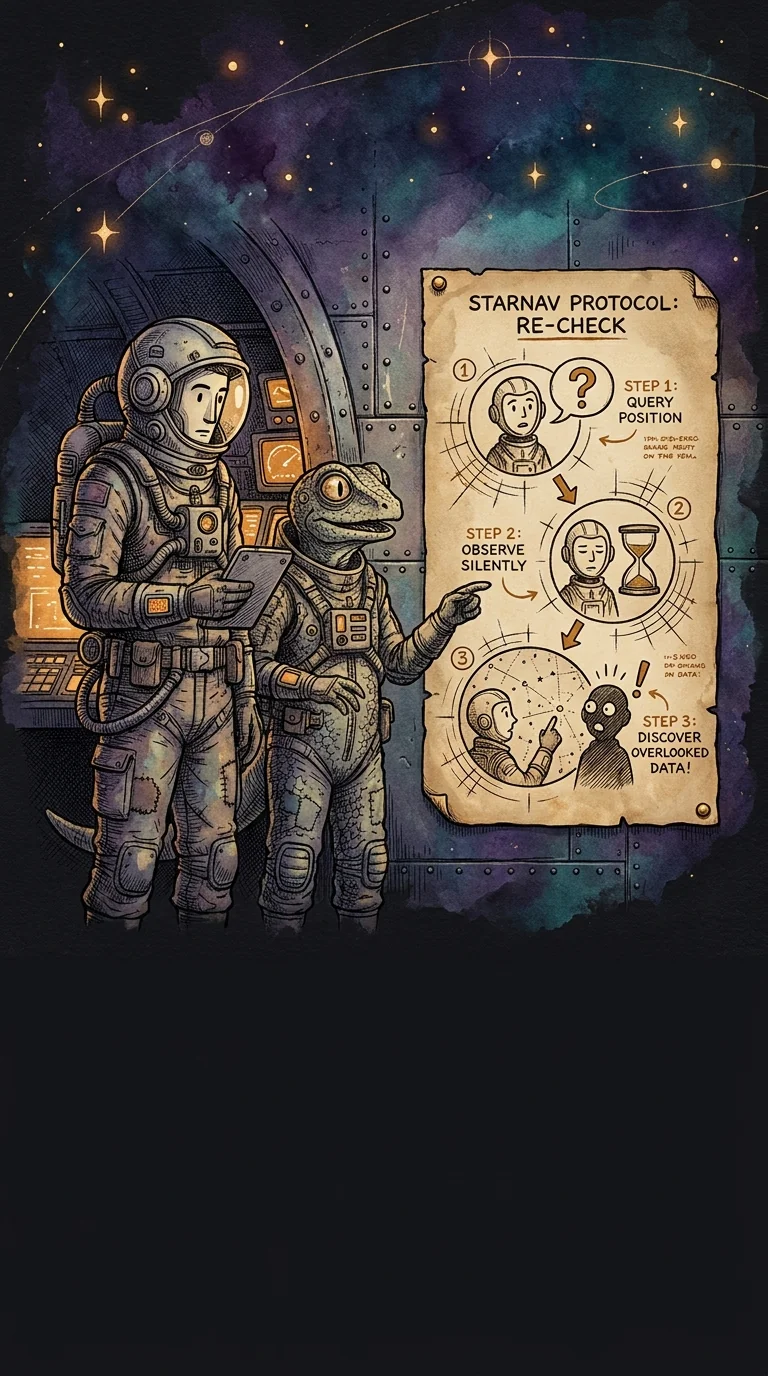
The mechanism is embarrassingly simple. Ask a real question. Wait for the full answer. Reflect back the piece they didn't expect you to catch. That's it — three moves, and you've built more trust than an hour of charm ever could.

Marcus walked into the vendor negotiation ready to pitch. Instead, he asked one question about their supply chain delays — then shut up for ninety seconds. The vendor exhaled, said "nobody ever asks us that," and offered terms Marcus hadn't even planned to request.

Quiet isn't passive — it's tactical. And it's a skill you can rehearse. In Part 2, you'll practice the three-move rapport sequence with a real scenario. See you there.
Part 2: Instant Rapport: The Quiet Operator's Edge — Practice
+10 XP on completion

Quiet operators build more trust in five minutes than loud ones manage in an hour. Today you learn the exact sequence.

Most people walk into a conversation broadcasting — pitching, performing, filling every silence like dead air is a structural failure. The other person smiles, nods, and trusts nothing.

The technique is called the Mirror-Then-Shift. You reflect what someone just said — accurately, briefly — then ask one question that moves them deeper. That's it. Rapport isn't charm. It's proof you actually listened.

Step one: repeat back the core of what they said — not word-for-word, just the emotional center. Step two: pause. Step three: ask something that goes one level underneath. "What made you decide that?" works more often than you'd expect.

Lisa's new supplier spent the first ten minutes explaining why his prices were firm. Instead of countering, Lisa said, "Sounds like the margin pressure from last quarter changed your whole calculus." He stopped. Blinked. Then told her the real number he could work with.

Try it once today — mirror, pause, shift deeper. You don't need to be loud to be the most persuasive person in the room. You just need to be the one who actually heard them.