The Flood and the Fog: Two Pressure Tactics That Signal Weakness
You're mid-conversation and suddenly the other person is throwing data, stats, jargon, and urgency at you so fast your brain feels like it's drowning in static. That's not persuasion — that's a pressure leak.
Part 1: The Flood and the Fog: Two Pressure Tactics That Signal Weakness — Concept
+5 XP on completion
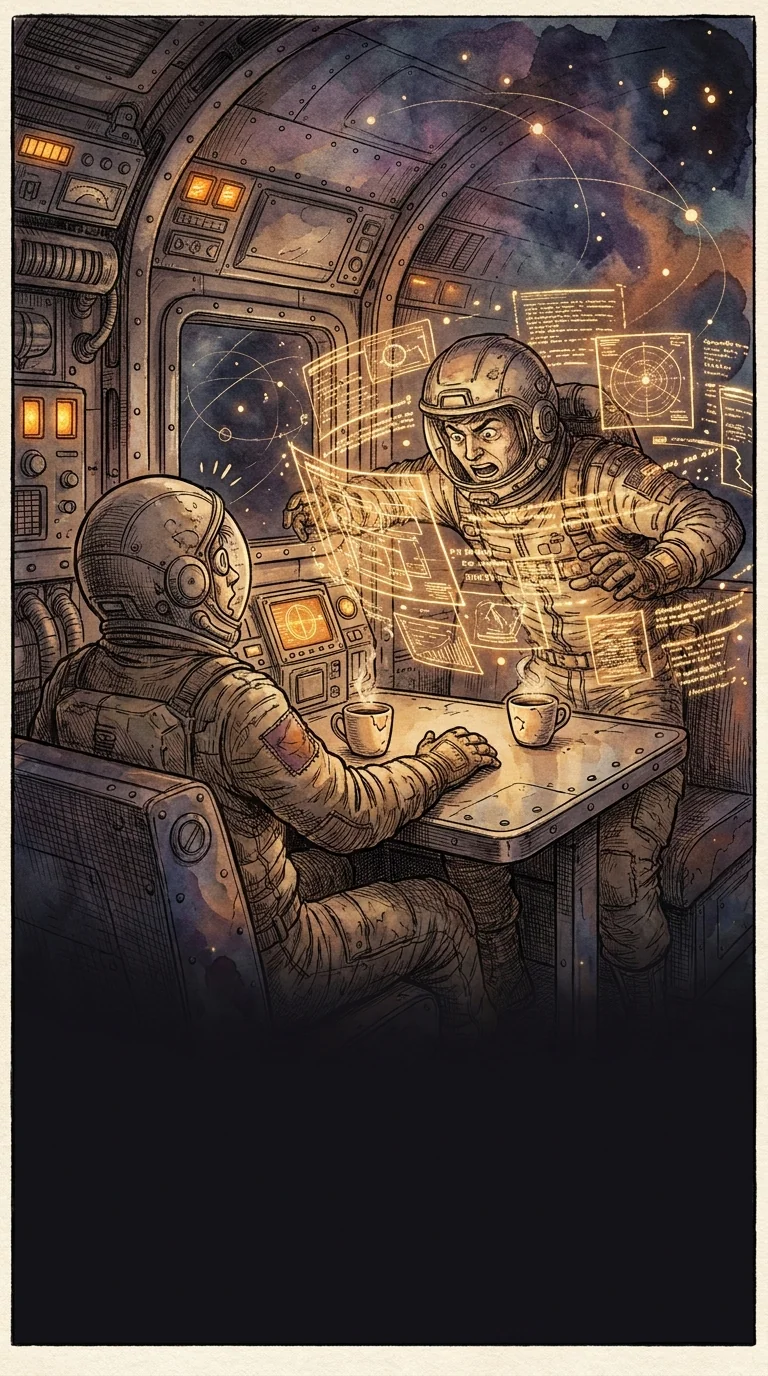
You're mid-conversation and suddenly the other person is throwing data, stats, jargon, and urgency at you so fast your brain feels like it's drowning in static. That's not persuasion — that's a pressure leak.
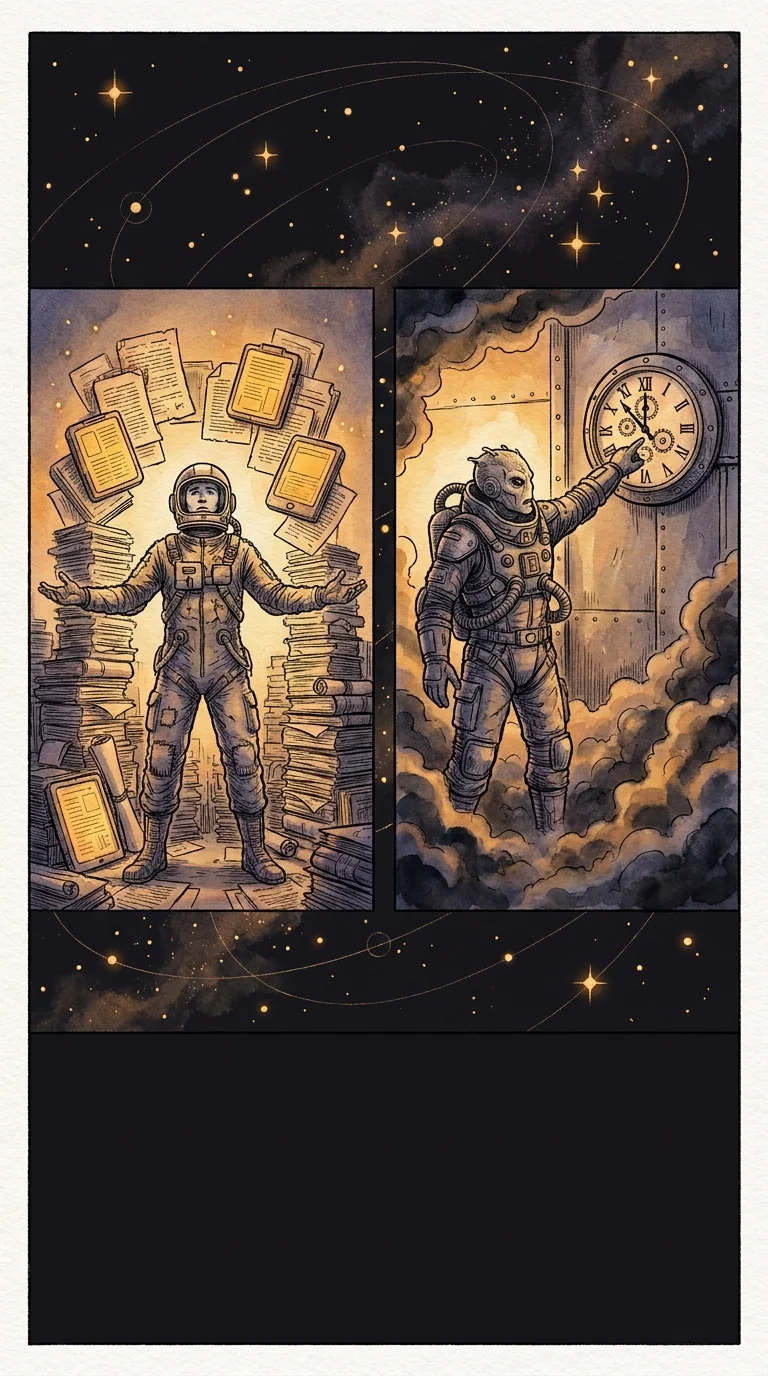
There are two signature moves of someone who knows their position is weak. The Flood — burying you in so much information you can't think. And the Fog — cranking up emotional urgency until you feel like you have to decide right now. Both feel powerful. Neither is.

Real talk: confidence doesn't need volume. When someone actually has a strong case, they hand you one clean reason and let it breathe. The avalanche of everything-all-at-once is the tell — it means they don't trust any single argument to hold up on its own.

Here's the mechanism. The Flood targets your processing — too much input, so you default to whatever the other person suggests. The Fog targets your timing — false urgency so you skip your own judgment. Both work by stealing the one thing you actually need: a pause.

Marcus sat through a vendor pitch where the rep threw fourteen slides in ten minutes, then dropped "this pricing expires Friday." Flood, then Fog. Marcus said five words: "Send me the deck. I'll review." The rep's face told him everything — that deadline was decorative.
The antidote to both tactics is the same: slow down and ask for the single strongest point. One reason. No rush. In Part 2, you'll practice spotting the Flood and the Fog in real-time and responding with that one quiet question. See you there.
Part 2: The Flood and the Fog: Two Pressure Tactics That Signal Weakness — Practice
+10 XP on completion

When someone buries you in data or cranks up the urgency, they're not being thorough — they're hoping volume substitutes for substance. Your job is to slow the whole thing down.
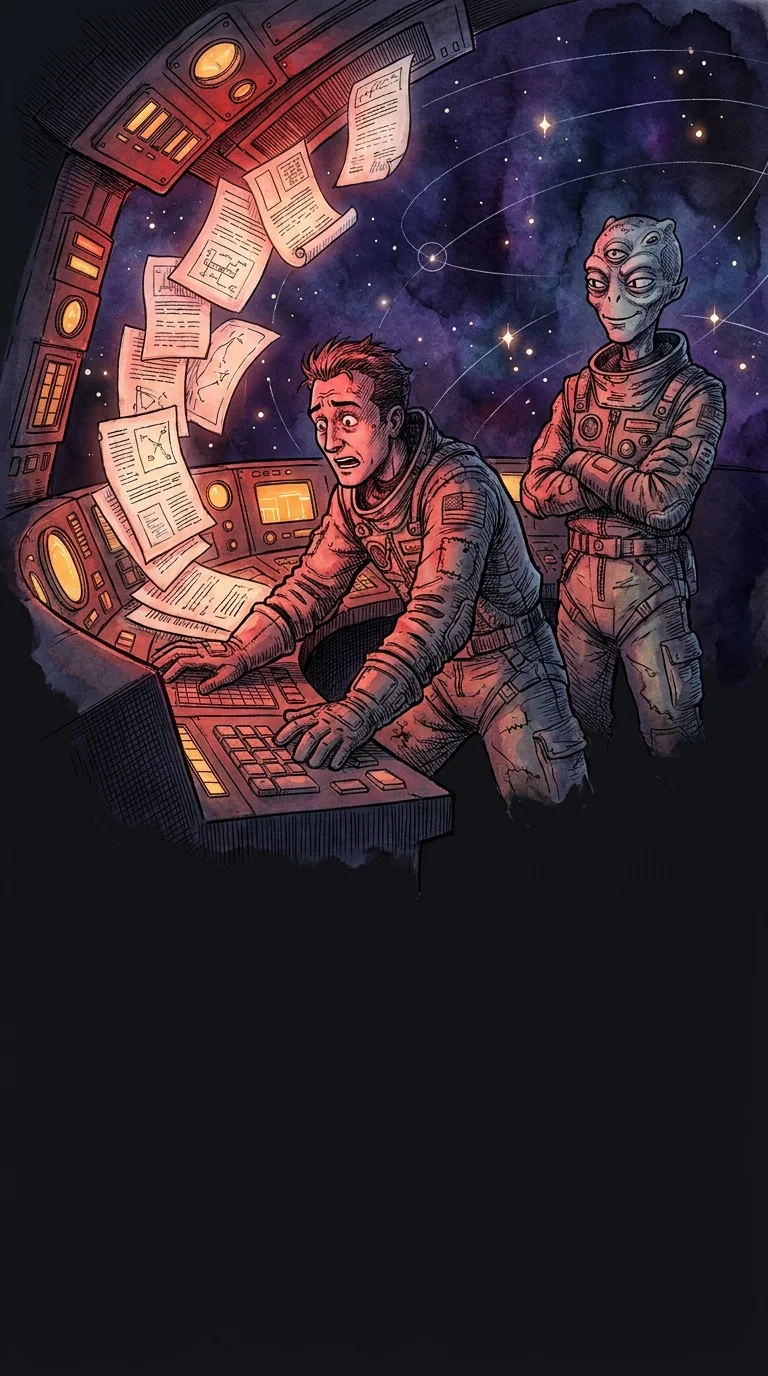
Most folks do exactly what the pressure wants: they speed up. They skim the flood, they flinch at the fog, and they decide before they've actually thought. That's the trap working as designed.
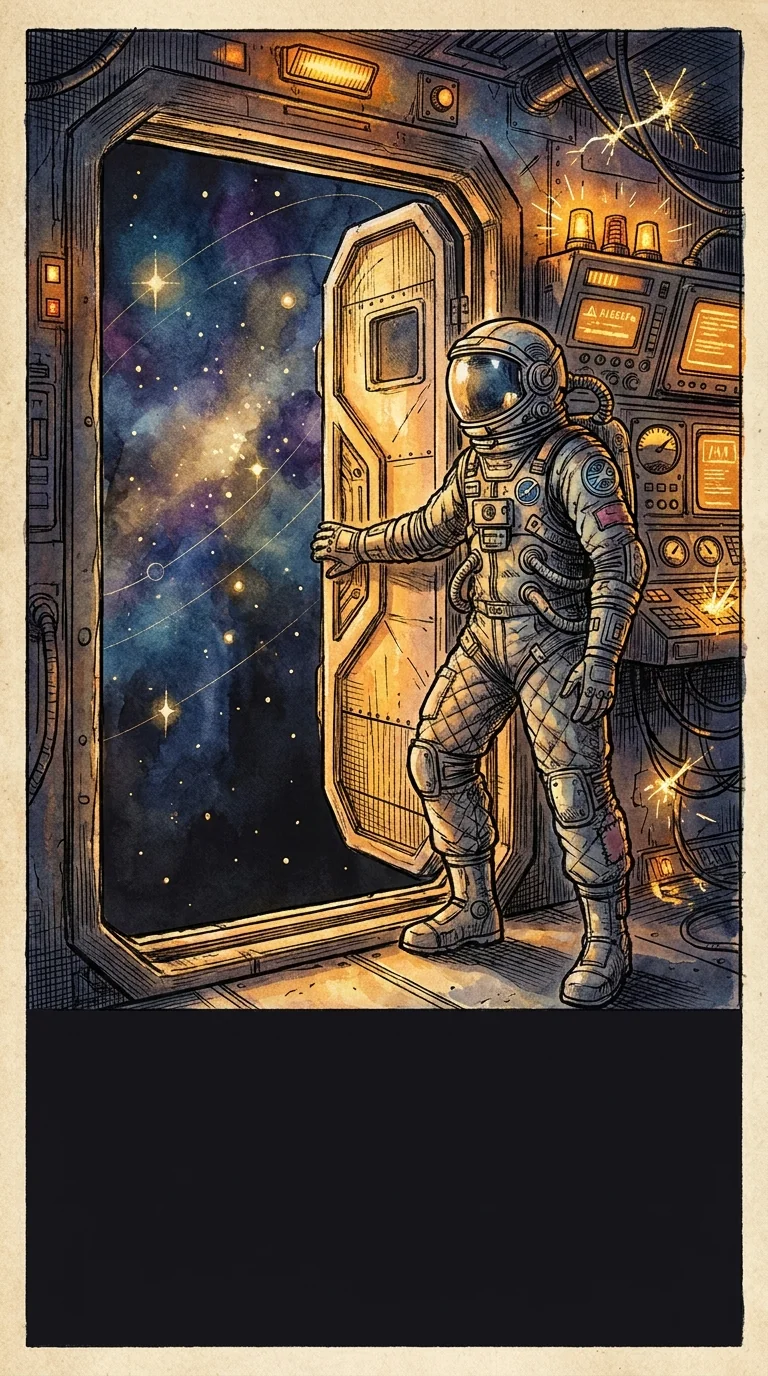
The technique is called the Airlock Pause. When you feel the rush — from information or from urgency — you name it, then you buy yourself exactly one beat of silence before responding. That silence is where your leverage lives. Wait — not leverage. That silence is where your power lives.

Three steps. First: notice the pressure — your chest tightens, the pace feels wrong. Second: say something plain like "I want to make sure I understand this fully" or "Let me sit with this." Third: ask one specific question instead of responding to everything. One question collapses the flood into a puddle.

Maria's vendor sent a forty-page proposal at 4 PM with a "we need your answer by tomorrow morning" attached. Old Maria would have skimmed and signed. New Maria replied: "I'll review this properly. What's the single most important difference between this proposal and our current agreement?" The vendor's answer fit in two sentences — and revealed the only page that actually mattered.

You now have a pressure detector and a countermove. The flood loses its power the moment you stop swimming and start asking. The fog clears when you refuse to rush. Use them both this week — you'll be surprised how fast the room changes when one person simply slows down.