Emotion Is the Operating System; Logic Is the App
You spent forty minutes on that spreadsheet. Color-coded tabs, airtight projections, the works. The committee glanced at it for nine seconds and went with the guy who told a story about his dog.
Part 1: Emotion Is the Operating System; Logic Is the App — Concept
+5 XP on completion
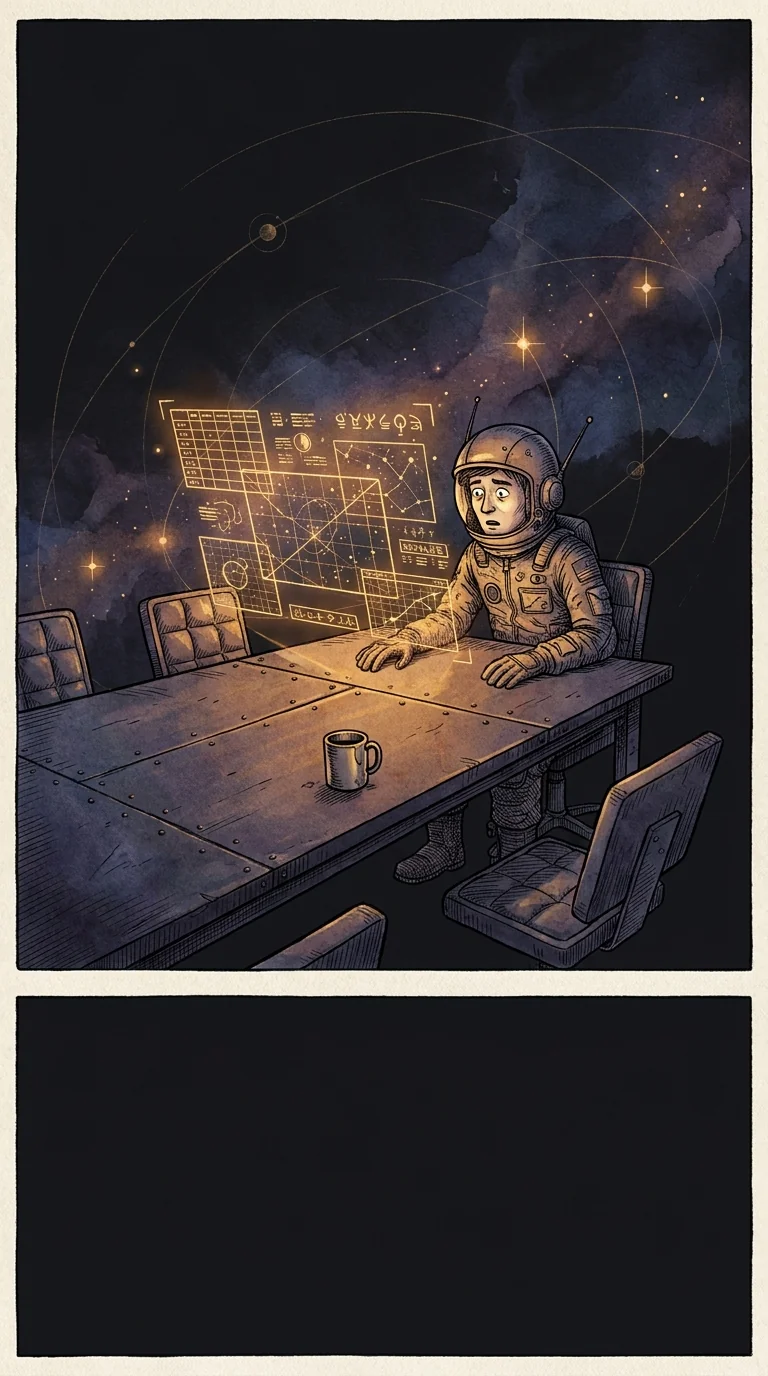
You spent forty minutes on that spreadsheet. Color-coded tabs, airtight projections, the works. The committee glanced at it for nine seconds and went with the guy who told a story about his dog.
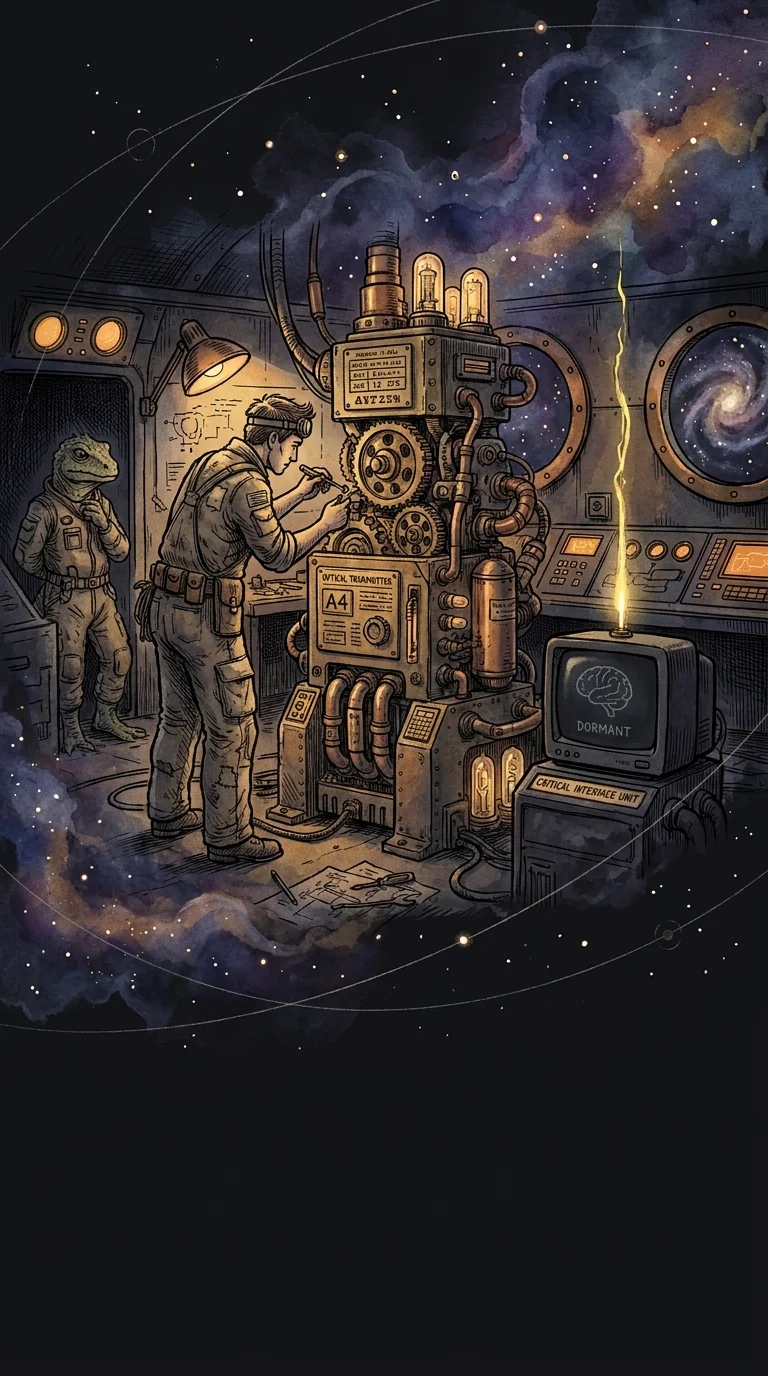
We build arguments like engineers — stacking facts, tightening logic, bolting on evidence. Then we aim all of it at the part of the brain that almost never makes the actual decision.

Neuroscience keeps confirming the uncomfortable part: up to 95% of your decisions happen below conscious awareness. Emotion runs the operating system. Logic is just the app you open afterward to feel reasonable about it.
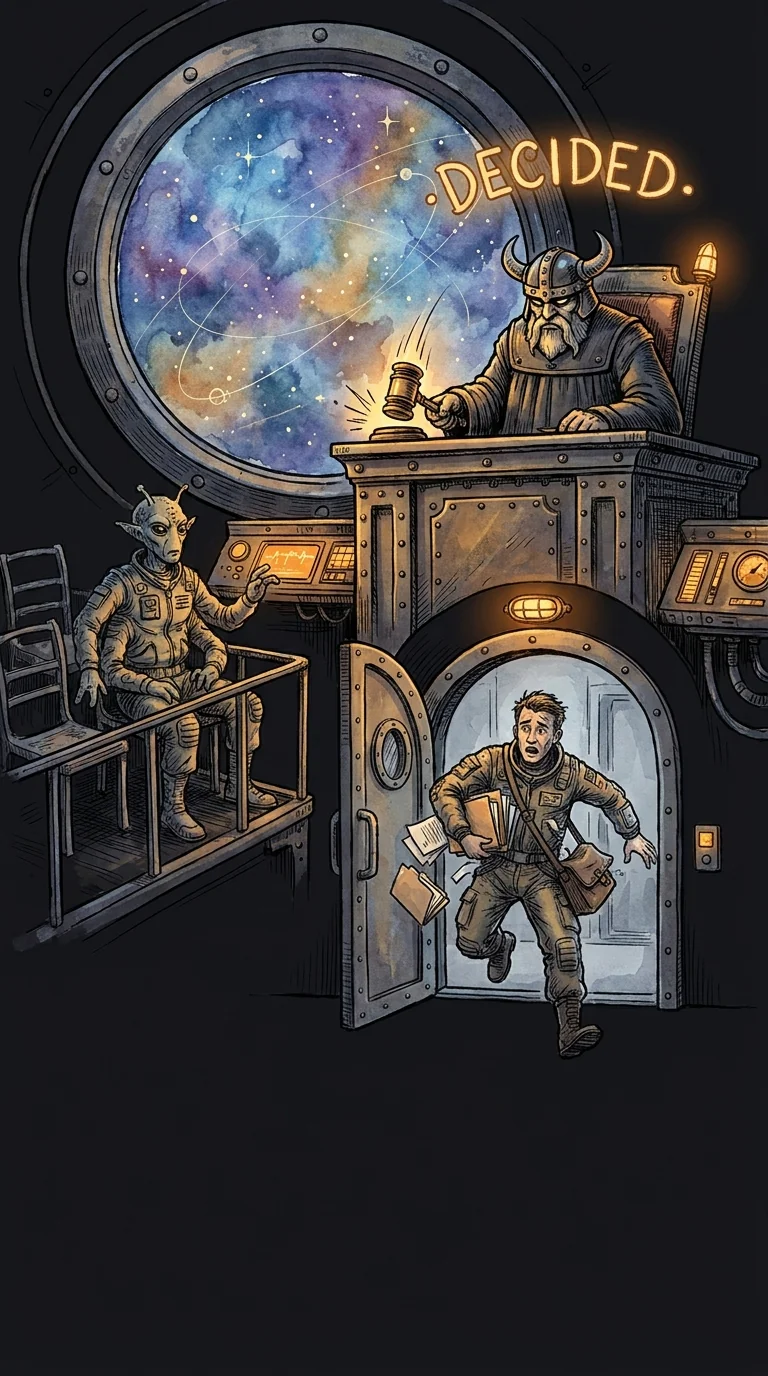
Here's how it actually works: you feel a pull toward a choice — gut-level, instantaneous — and then your conscious mind scrambles to build a rational case for it. The verdict comes first. The trial comes second. Every time.

Marcus pitched his team on a new workflow — fourteen slides of efficiency data. Nothing. Then he mentioned that the current system made him dread Monday mornings, and three people said, "Same." The conversation shifted in that moment, not the one before it.
Logic matters — but it's the closing argument, not the opening act. Get the sequence backwards and you're performing for an empty room. In Part 2, you'll practice spotting the emotional current beneath a conversation and speaking to it first. See you there.
Part 2: Emotion Is the Operating System; Logic Is the App — Practice
+10 XP on completion

Your brain makes the call before your logic even wakes up. So the question isn't whether to speak to emotion — it's whether you're doing it on purpose or by accident.
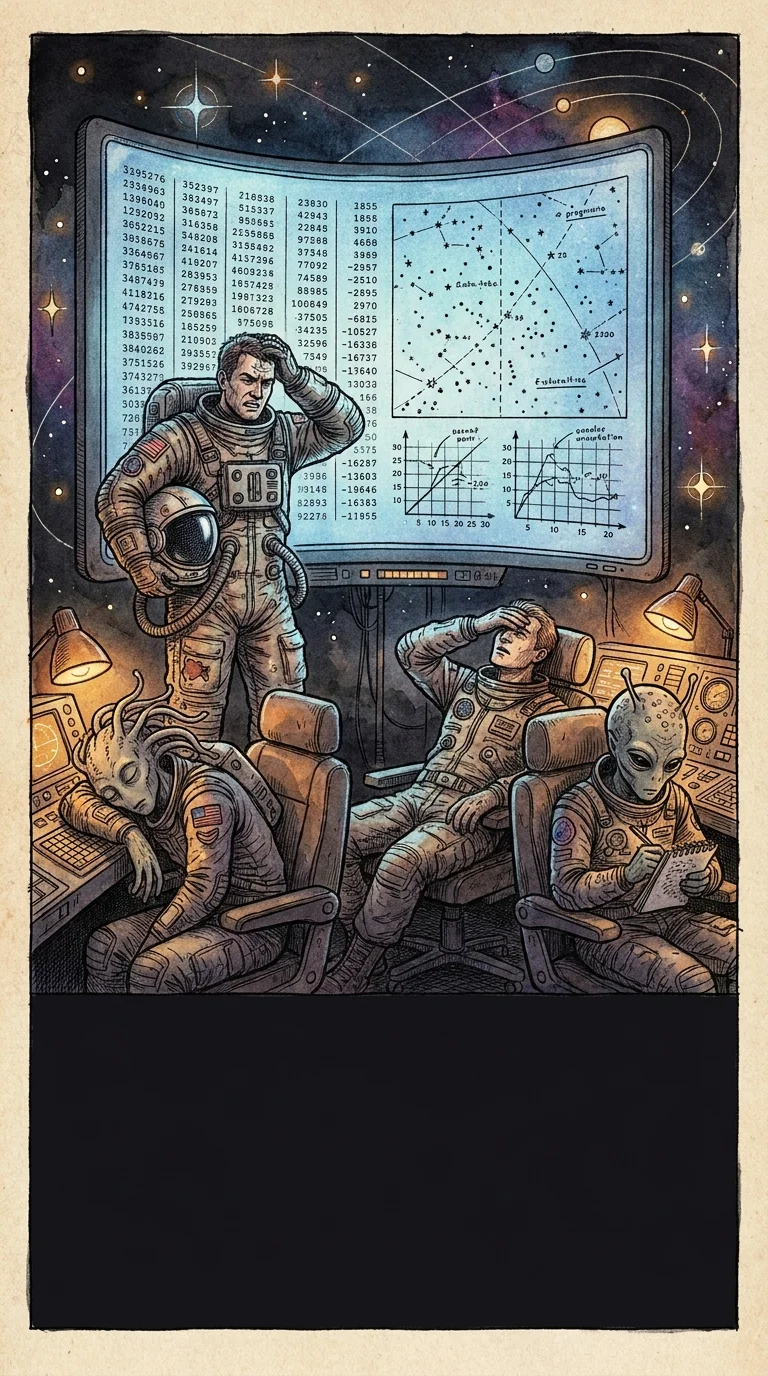
Most persuaders open with data, specs, and bullet points — then wonder why nobody moves. They're launching the app before the operating system even boots.
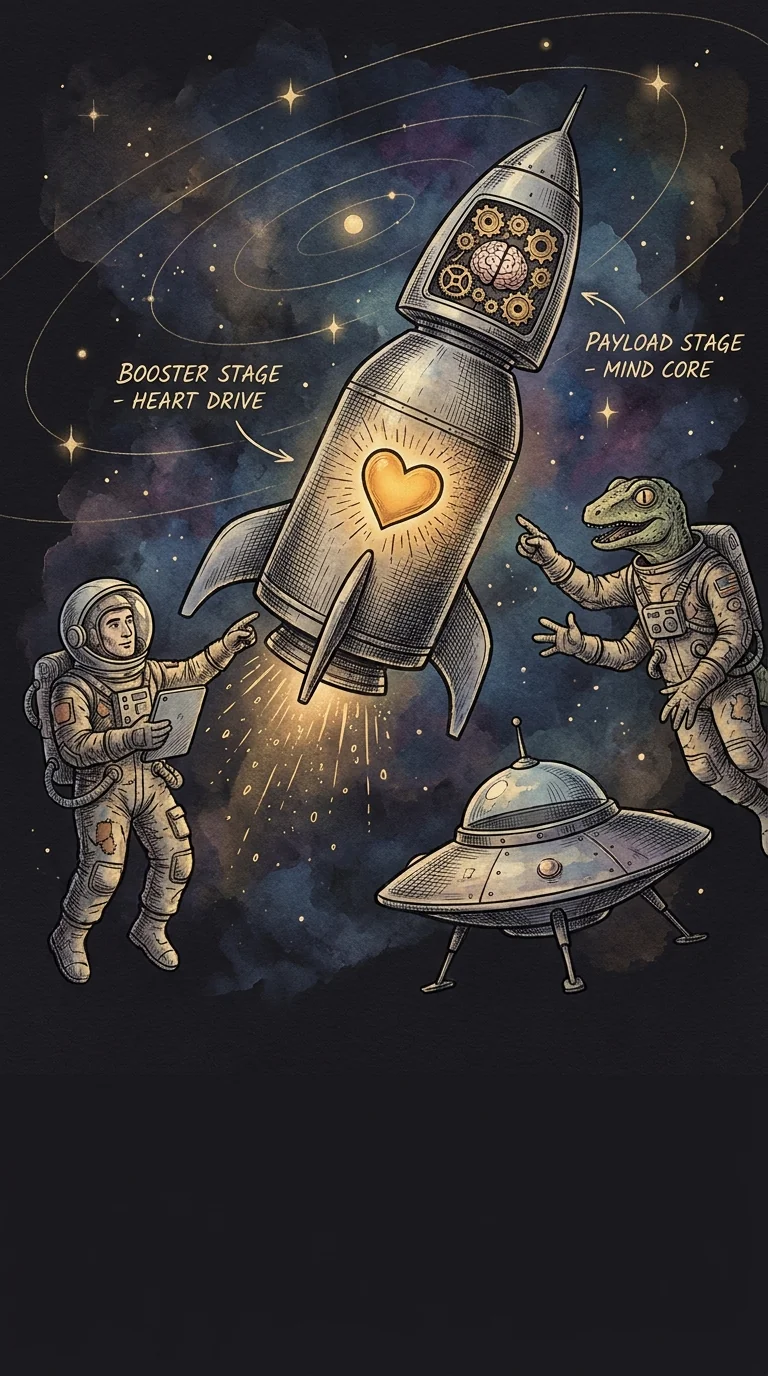
Try the Feel-Then-Frame method. Lead with the emotion you want someone to feel — safety, curiosity, urgency — then hand them the logic so they can justify what they already want to do.

Step one: name the feeling your listener already has — frustration, hope, worry. Step two: sit in it for one sentence. Step three: offer your idea as the logical answer to that feeling. Three moves. That's the whole engine.

Lisa needed her crew to adopt a new safety protocol. Old approach: twenty slides of incident stats. New approach: "Nobody wants to be the one making that call to someone's family." Silence. Then she showed the protocol. Adopted unanimously before lunch.

You don't need to manipulate anyone. You just need to remember that people feel first and reason second — and speak to them in that order. The logic lands harder when the runway is already clear.