The Pro's Edge: Pay in Prep Now, or Pay at the Debrief
Two pilots walk into the same meeting. One spent twenty minutes last night running scenarios in her head. The other figured she'd wing it — she's done this a hundred times.
Part 1: The Pro's Edge: Pay in Prep Now, or Pay at the Debrief — Concept
+5 XP on completion
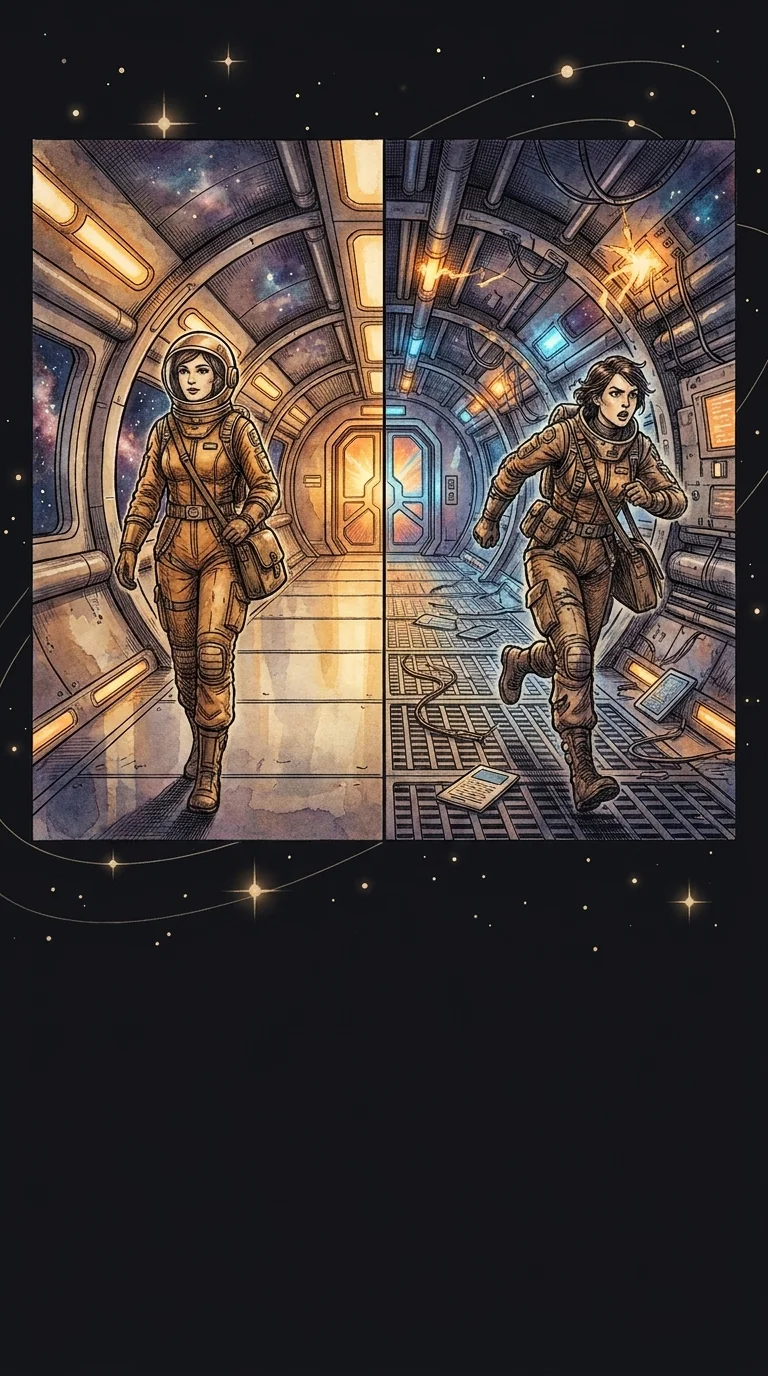
Two pilots walk into the same meeting. One spent twenty minutes last night running scenarios in her head. The other figured she'd wing it — she's done this a hundred times.
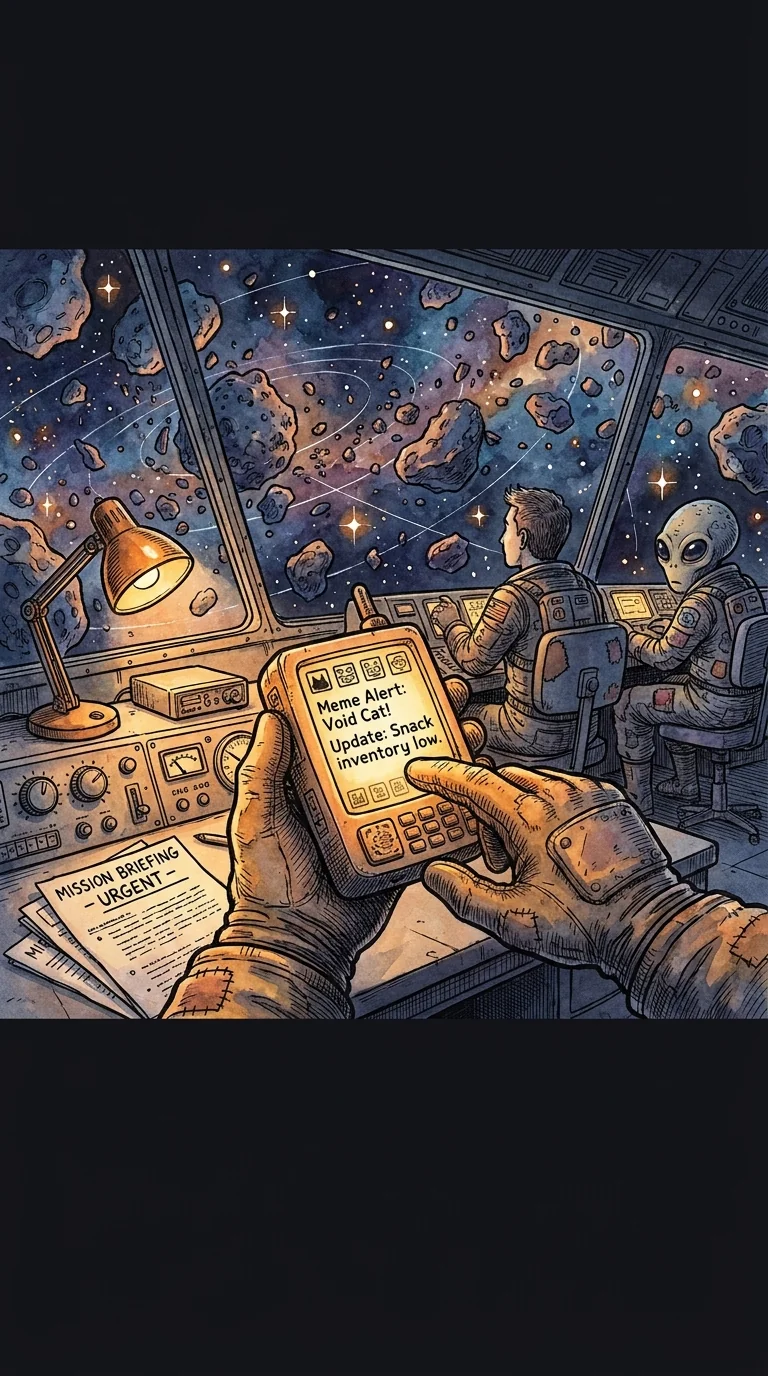
The difference between good and great rarely shows up in talent. It shows up in the fifteen minutes before the conversation starts — the ones most people spend checking messages instead of thinking.
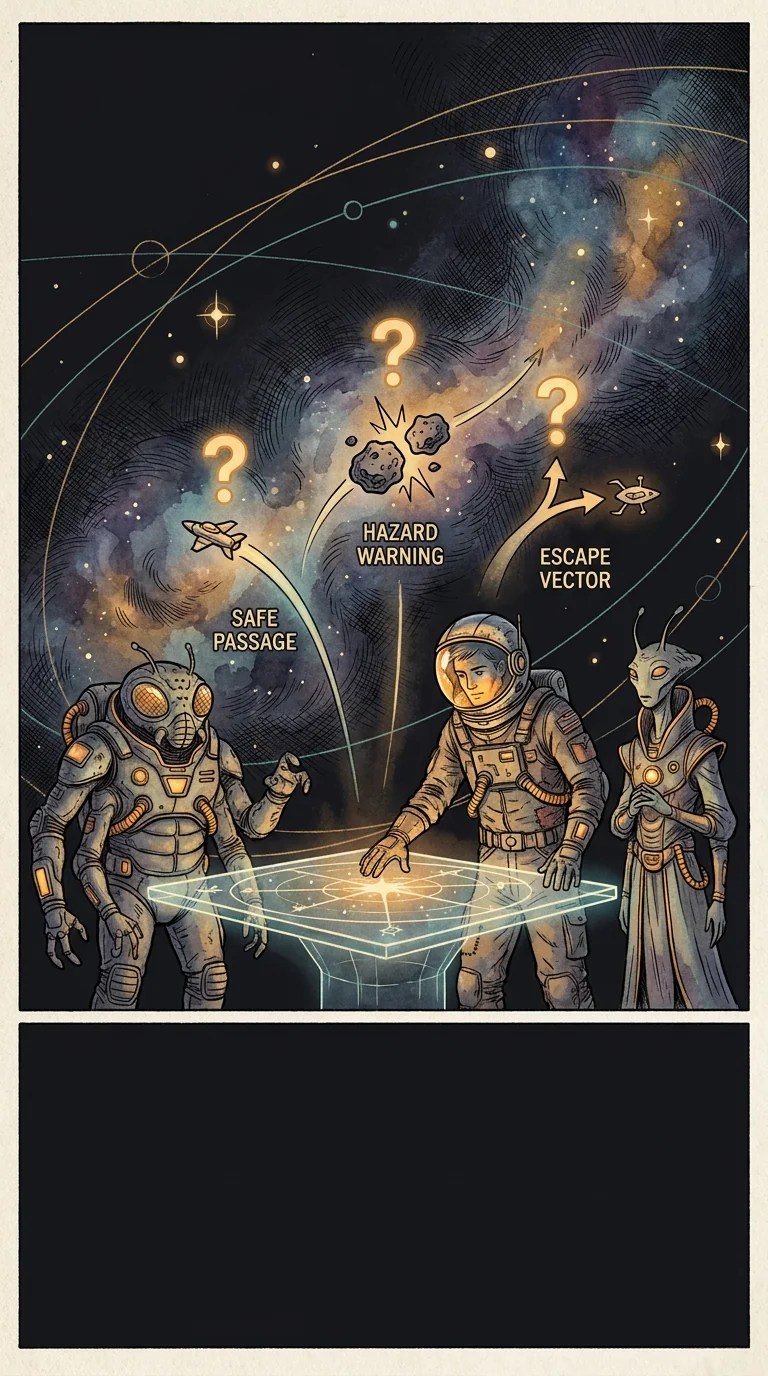
Preplanned anticipation isn't predicting the future. It's asking three questions before you walk in: What do they need? What might go sideways? What's my first move if it does?

The mechanism is stupidly simple: spend five minutes imagining the conversation as if you're the other person. Map their pressure, their timeline, their unspoken worry. Now you're not reacting — you're steering.
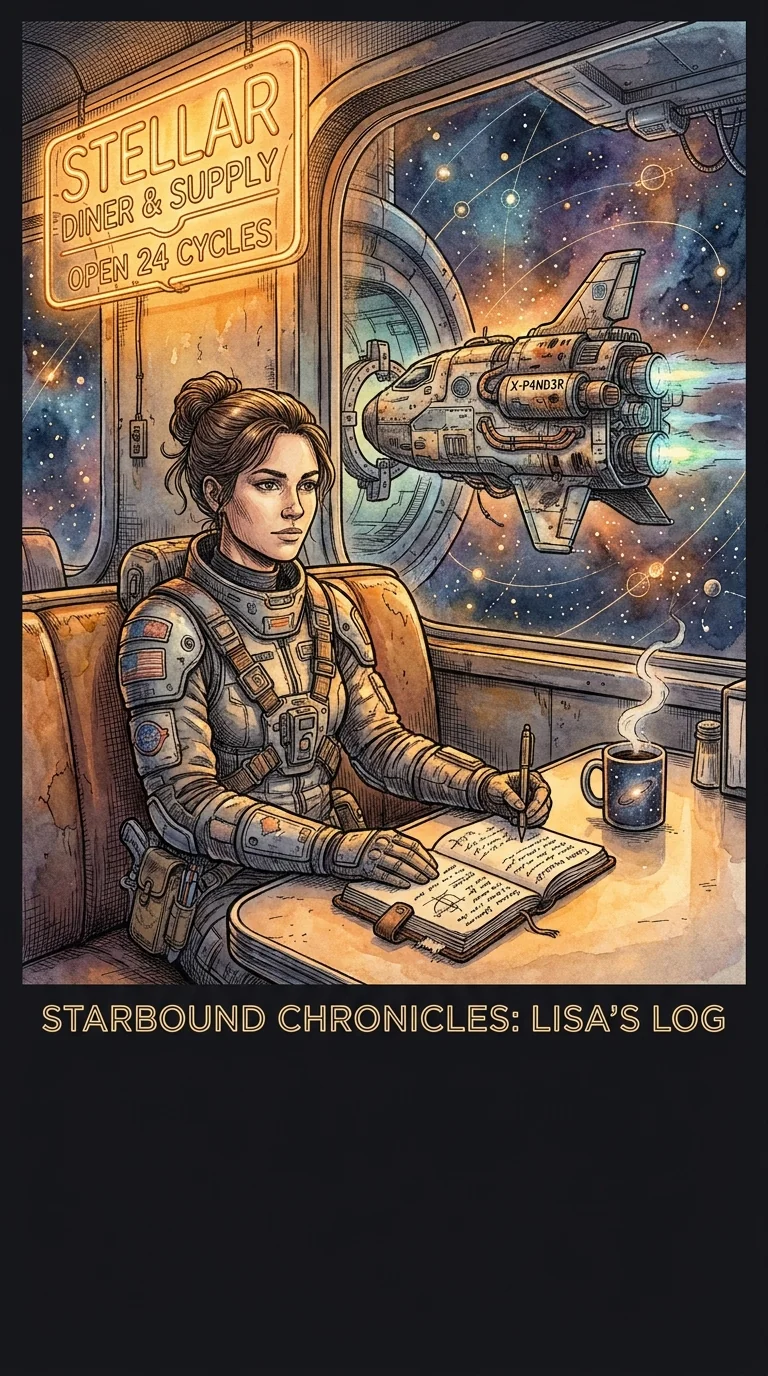
Lisa used to pride herself on being quick on her feet. Then she lost a key partnership because she walked in ready to pitch — and the client walked in ready to vent. Five minutes of prep would have told her that. Now she does the five minutes. Every time.

You can pay in prep or pay at the debrief. One costs five minutes. The other costs trust. In Part 2, you'll practice building a quick pre-conversation anticipation map. See you there.
Part 2: The Pro's Edge: Pay in Prep Now, or Pay at the Debrief — Practice
+10 XP on completion

The gap between good and great isn't talent — it's the twenty minutes of thinking you do before you walk into the room.
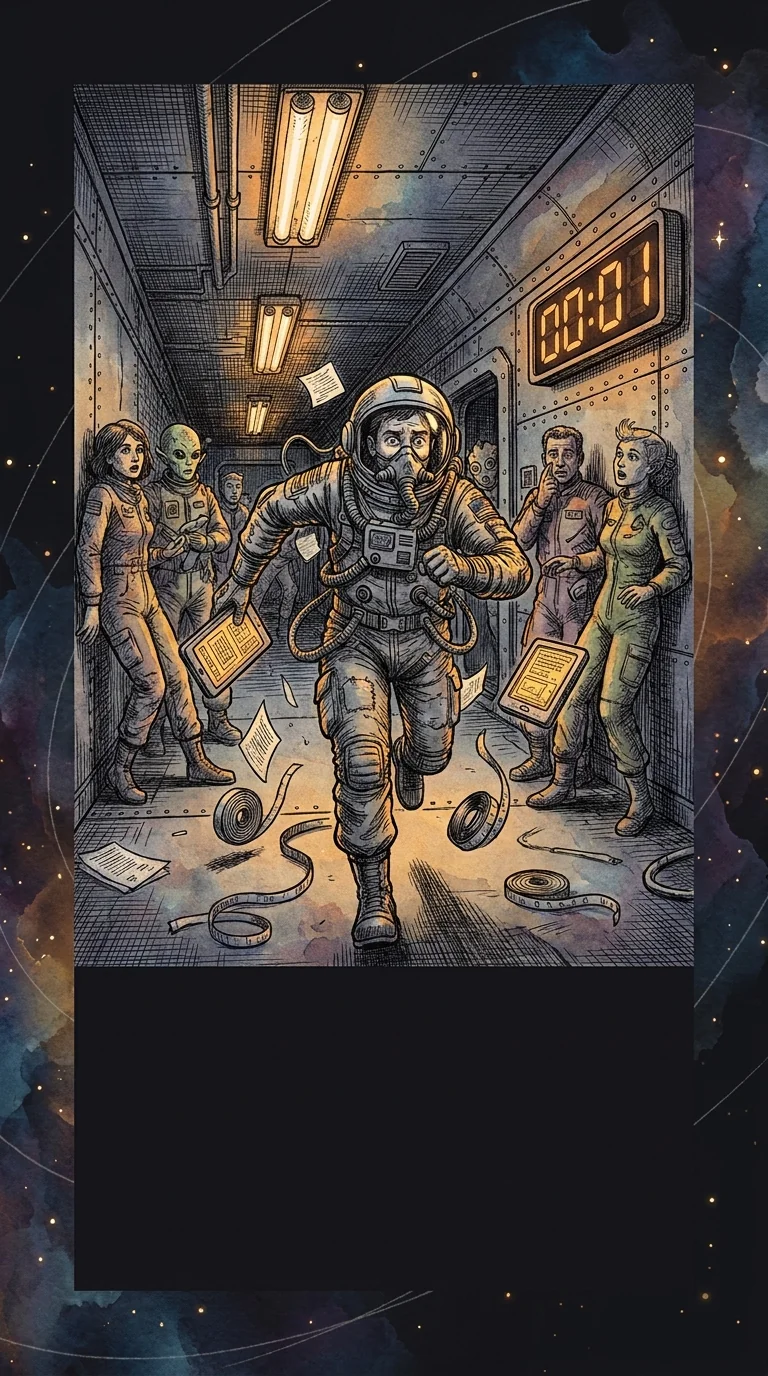
Most prep looks like this: skim the agenda two minutes before the meeting, hope for the best, scramble when something unexpected lands. Then call the scrambling "thinking on your feet." Convenient, isn't it.

Here's the technique: the Pre-Flight Five. Before any important conversation, spend five minutes answering five questions — on paper, not in your head. Your brain will lie to you about having thought things through. Paper won't.
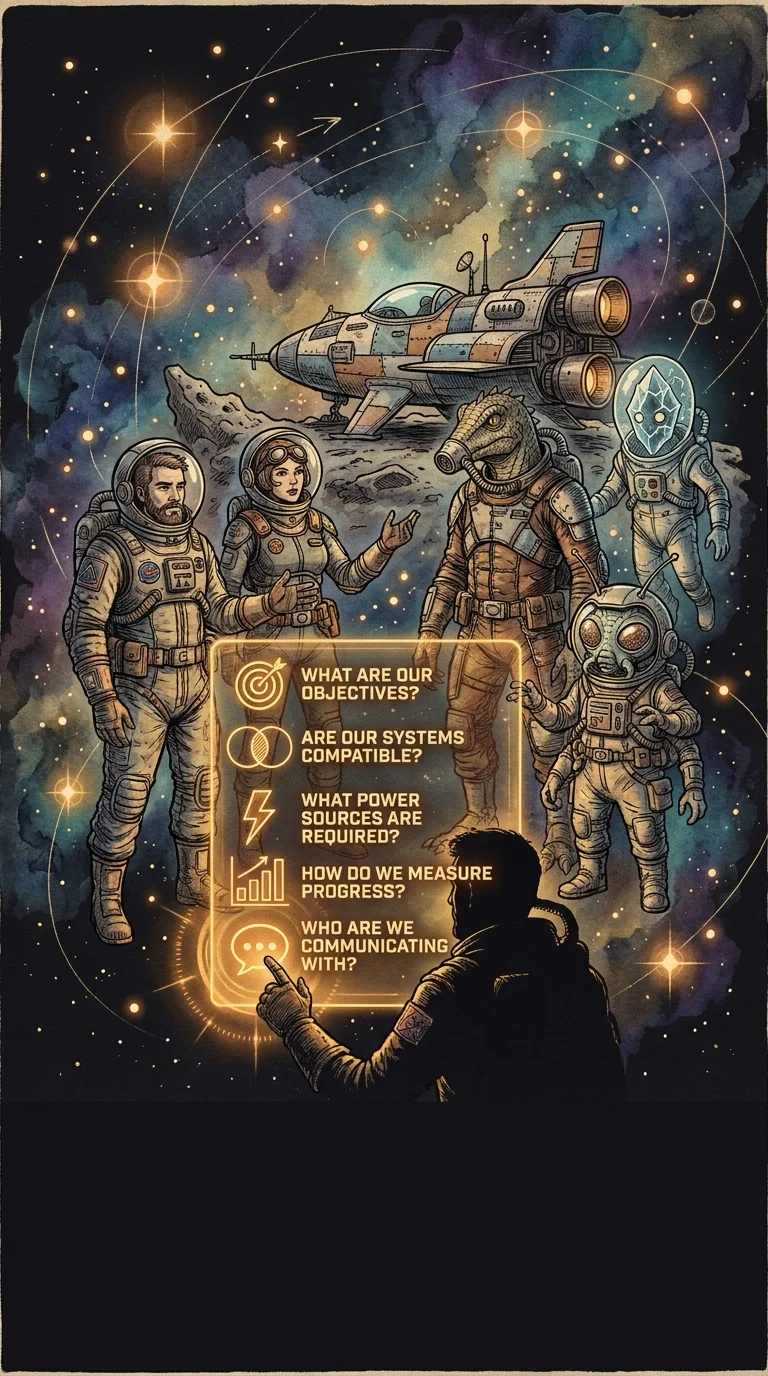
The five questions: What outcome do I actually want? What does the other person likely want? What's the hardest thing they could say? What data or story supports my case? What's my first sentence? That last one matters more than you think — nail the opening, and momentum does half the work.
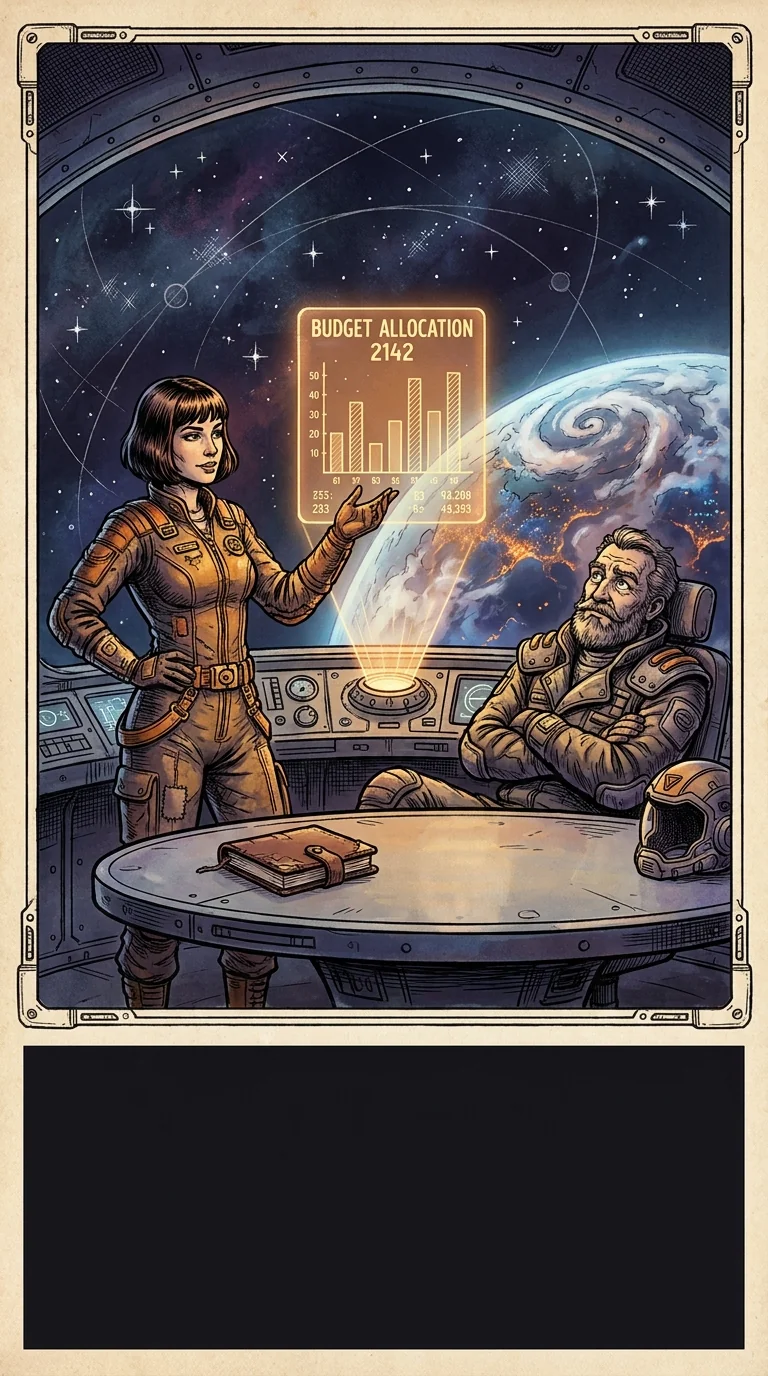
Sarah had a funding review with a notoriously skeptical station director. She spent five minutes in the corridor with her notebook and the Pre-Flight Five. When the director opened with "Why should I care about this?" — Sarah already had her answer loaded. The meeting ran twelve minutes. She got the funding.

Pick one conversation this week — the one that makes your stomach tighten a little. Give it five minutes and five answers before you walk in. You'll feel the difference before you finish question three.