Never Underestimate the Quiet One
There's a person in every negotiation room who barely speaks. They sit back, they listen, they nod once or twice — and somehow they walk out with everything they came for.
Part 1: Never Underestimate the Quiet One — Concept
+5 XP on completion

There's a person in every negotiation room who barely speaks. They sit back, they listen, they nod once or twice — and somehow they walk out with everything they came for.

Two mistakes cost you more than all the others combined: prejudging who matters, and believing that closing harder is always the answer. They're cousins — both born from the same lazy assumption that volume equals power.

The quiet ones aren't disengaged — they're processing. And the moment you dismiss them or try to steamroll them with a close, you've told them exactly who you are. Spoiler: they don't like what they see.

Here's how it actually works: prejudging filters out the real decision-maker before you even start. Over-closing triggers resistance in anyone paying attention. Together, they guarantee you lose the people who were quietly ready to say yes.

Marcus pitched a crew of investors once. He zeroed in on the loud guy asking all the questions, ignored the woman taking notes in the corner. She was the fund manager. By the time he realized it, she'd already made up her mind — and not in his favor.

The fix isn't complicated, but it requires you to override some deeply satisfying instincts. In Part 2, you'll practice reading the quiet ones and calibrating your close so it invites instead of bulldozes. See you there.
Part 2: Never Underestimate the Quiet One — Practice
+10 XP on completion

Two habits drain your influence faster than anything: writing people off before they speak, and talking past the moment they've already decided. Both feel productive. Neither is.
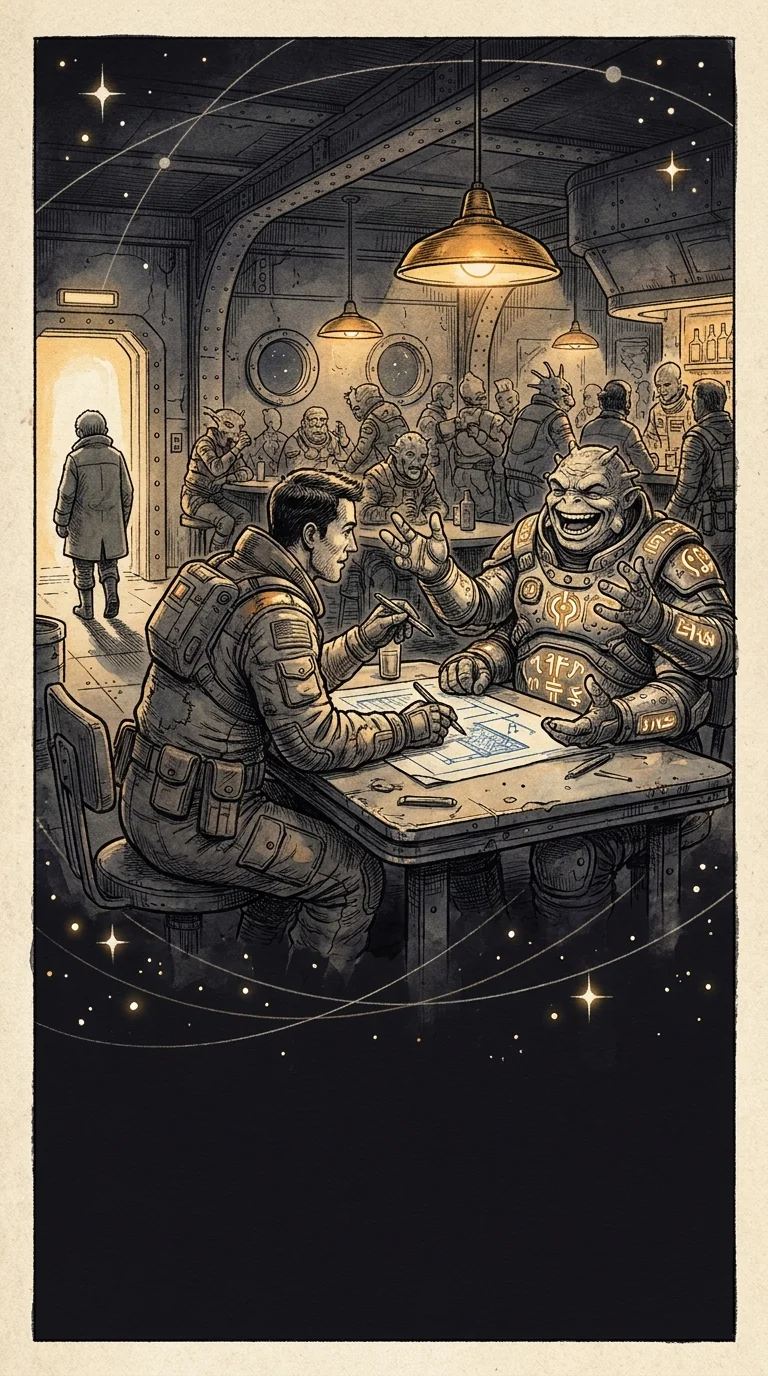
Most misjudgments look the same from the outside: confidence aimed at the wrong person. You pitch hard at the loud skeptic while the quiet decision-maker slips out the airlock unnoticed.

The fix is a two-part scan called the Pause-and-Read. Before you speak, pause to notice who you're ignoring. Before you close, pause to check whether the conversation still needs you talking.

Step one: scan the room for the person you've dismissed — the quiet one, the junior title, the one who hasn't pushed back. Direct a genuine question their way. Step two: once someone nods or leans in, stop selling. Ask what they're thinking. The close isn't a monologue — it's a door you hold open.

Maria spent a whole pitch meeting dazzling the vocal operations lead. Afterward, nothing. Next time she tried the Pause-and-Read — noticed the funding director sitting silently in the second row, asked her one direct question. That fifteen-second exchange closed a six-month deal.

You don't need louder engines. You need better instruments. Start scanning for who you've been overlooking — and watch how fast the room rearranges itself around your attention.