Boot Up Your Own Mind First
You spent all night rehearsing the perfect argument, the airtight logic, the killer close. Then you walked in rattled, distracted, and half-convinced you'd already lost.
Part 1: Boot Up Your Own Mind First — Concept
+5 XP on completion

You spent all night rehearsing the perfect argument, the airtight logic, the killer close. Then you walked in rattled, distracted, and half-convinced you'd already lost.

We obsess over what to say to them. We almost never check what we're saying to ourselves. Your internal broadcast is running whether you tune in or not — and the other person picks up the static.

The single most important persuasion skill isn't a technique you use on someone else. It's the ability to program your own mind before you open your mouth. Boot sequence matters.
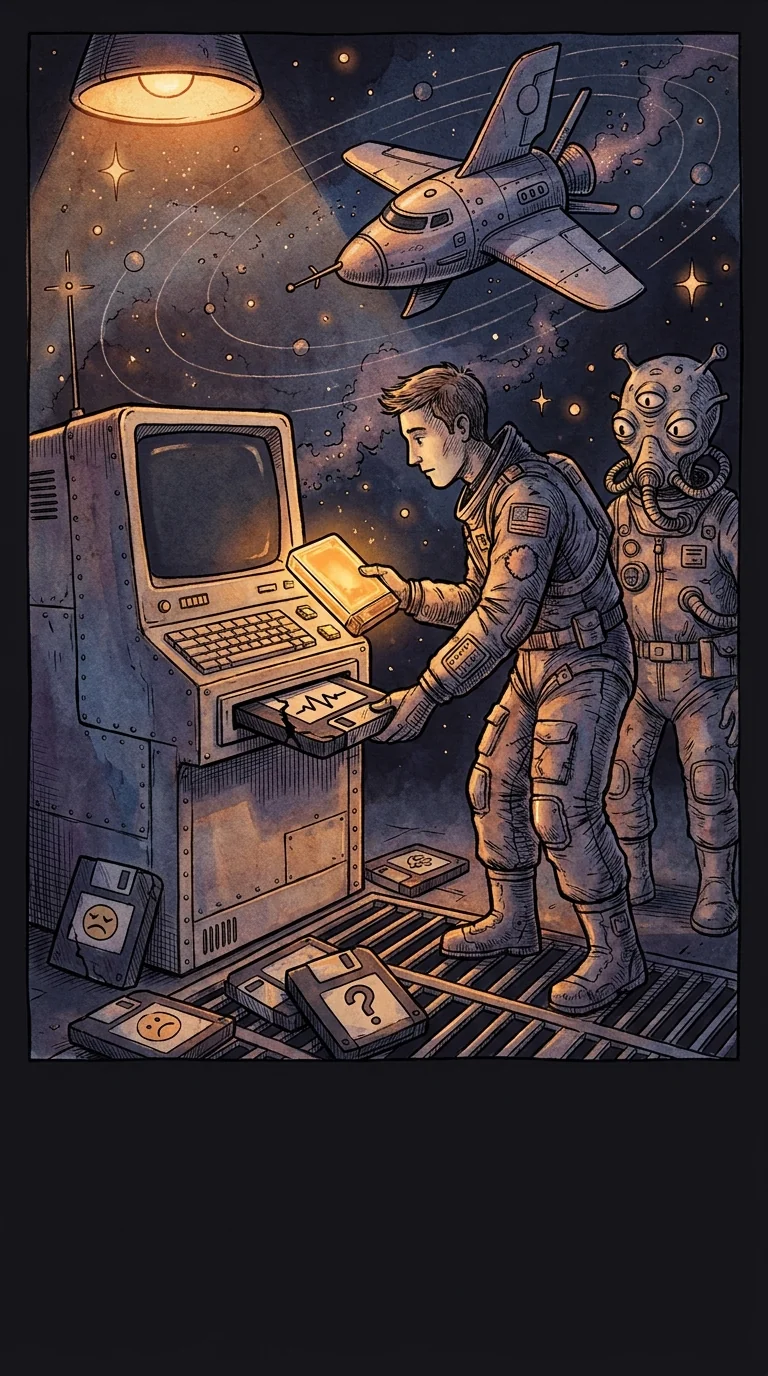
Your brain runs whatever script was loaded last — the argument with your kid, the email that stung, the fear you'll look stupid. Conscious mental programming means choosing the script before the moment chooses it for you.

Marcus had a pitch meeting at nine. At 8:45 he was still fuming about a parking ticket. He walked in broadcasting frustration, and the client mirrored it right back. The product was fine. His operating system wasn't.

Your mind boots up one way or another every single morning, before every conversation. The question is whether you're running the program or the program is running you. In Part 2, you'll practice a quick mental boot-up sequence you can run in sixty seconds. See you there.
Part 2: Boot Up Your Own Mind First — Practice
+10 XP on completion

Before you can change anyone else's mind, you need to run a diagnostic on your own. Most persuasion failures happen before you open your mouth — because your internal programming is still stuck on yesterday's bad settings.
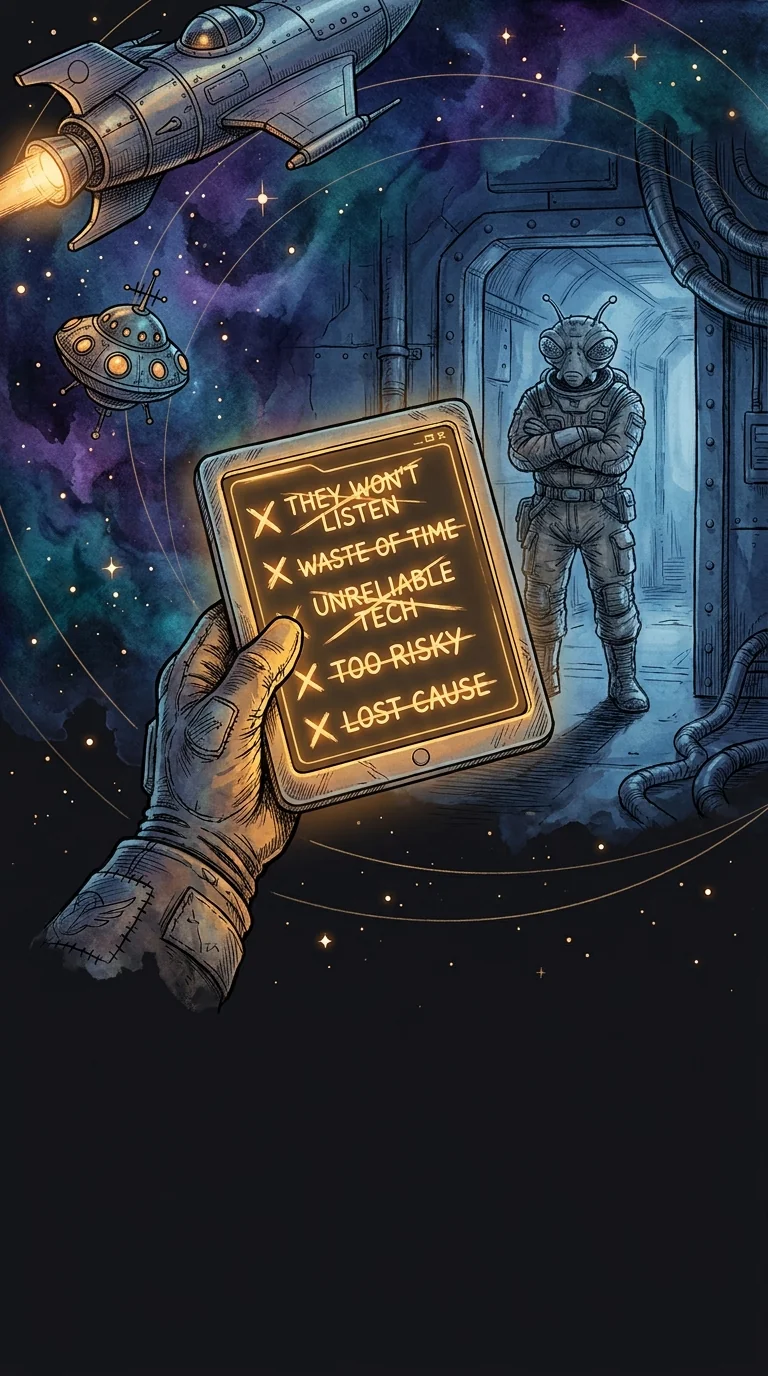
Here's what nobody admits: you walk into conversations pre-loaded with assumptions about the other person — that they're stubborn, hostile, wrong. And then you act surprised when the conversation matches the script you already wrote.

The technique is called the Three-Minute Boot Sequence. Before any conversation where you need to persuade, you spend three minutes resetting your own mental state — on purpose, with intention. Think of it as clearing corrupted files before launch.

Step one: name the assumption you're carrying about the other person. Step two: replace it with genuine curiosity — one specific question you actually want answered. Step three: decide what state you want to bring into the room. Calm? Warm? Open? Pick one word and hold it like a compass heading.
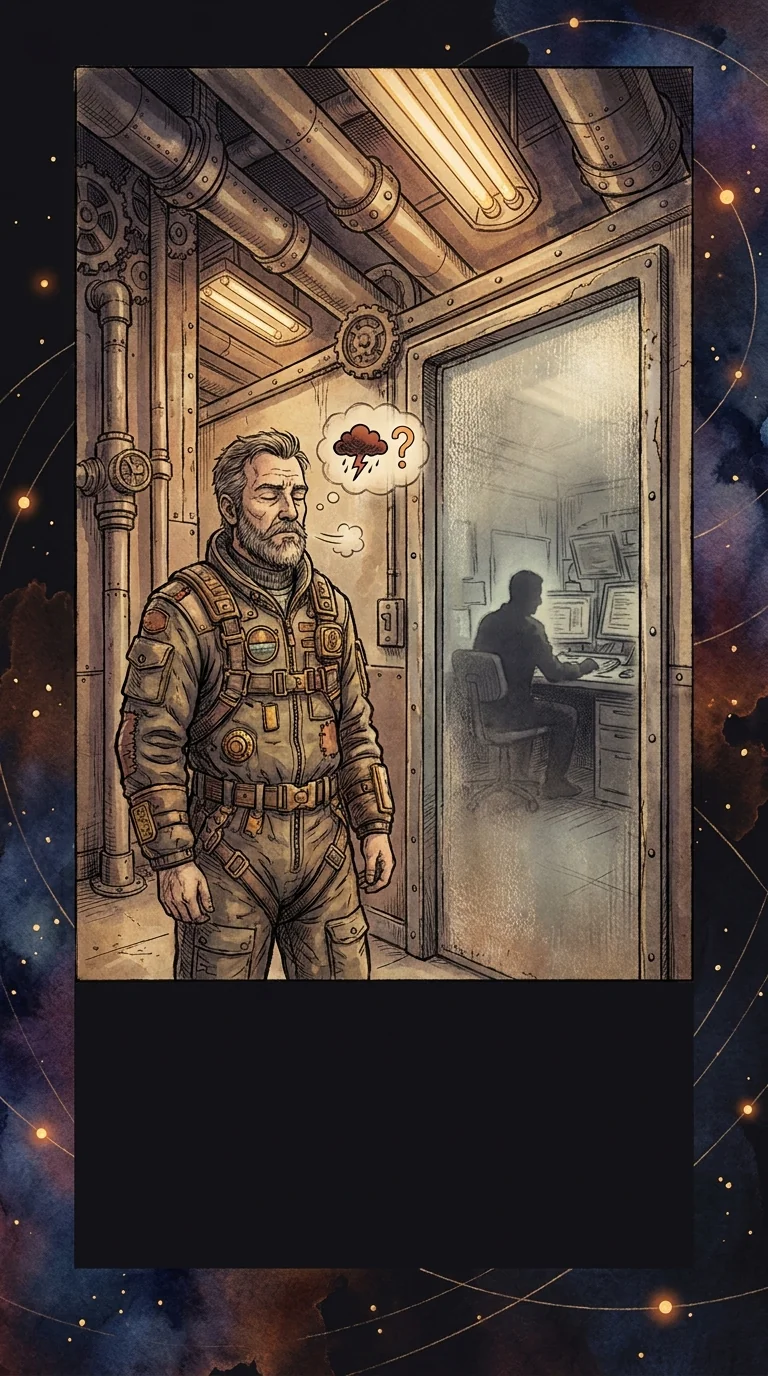
Marcus had a meeting with a supplier who'd shorted him twice. He walked into the hallway, spent three minutes, and caught himself loaded with "this guy's a crook." He replaced it with "what's actually going wrong on his end?" The meeting lasted eleven minutes. They solved it. No fireworks required.

Tomorrow you'll learn why talking less is the most underrated persuasion move in the galaxy. But today? Pick one real conversation ahead of you and run the Boot Sequence before you walk in. Three minutes. Your mind, your settings, your call.