The Shield Effect: Why People Resist Before You Transmit a Word
You haven't even opened your mouth yet, and half the room has already decided you're wrong. Not about your argument — about you.
Part 1: The Shield Effect: Why People Resist Before You Transmit a Word — Concept
+5 XP on completion

You haven't even opened your mouth yet, and half the room has already decided you're wrong. Not about your argument — about you.
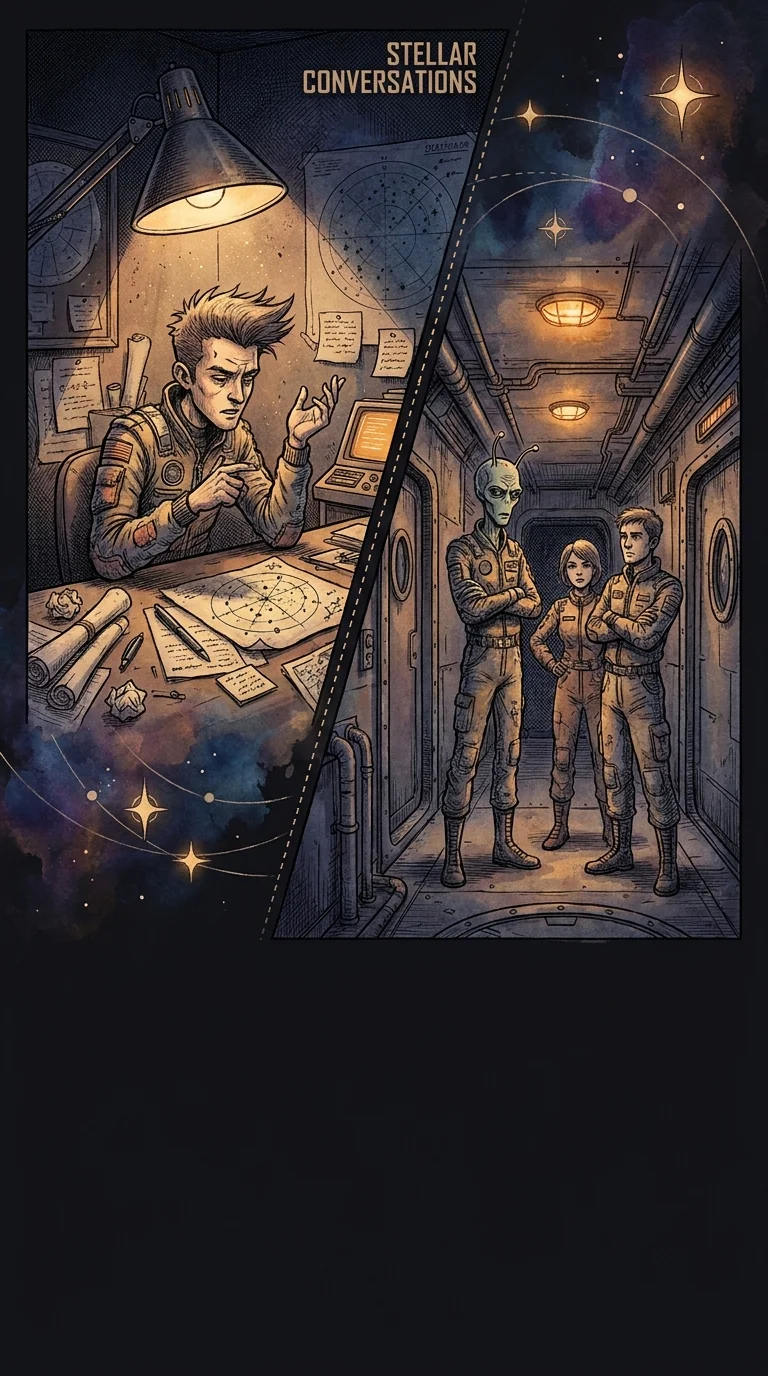
We spend hours perfecting what we'll say — the data, the pitch, the killer opening line. Meanwhile, the audience's defense system booted up the second they saw us walk in.
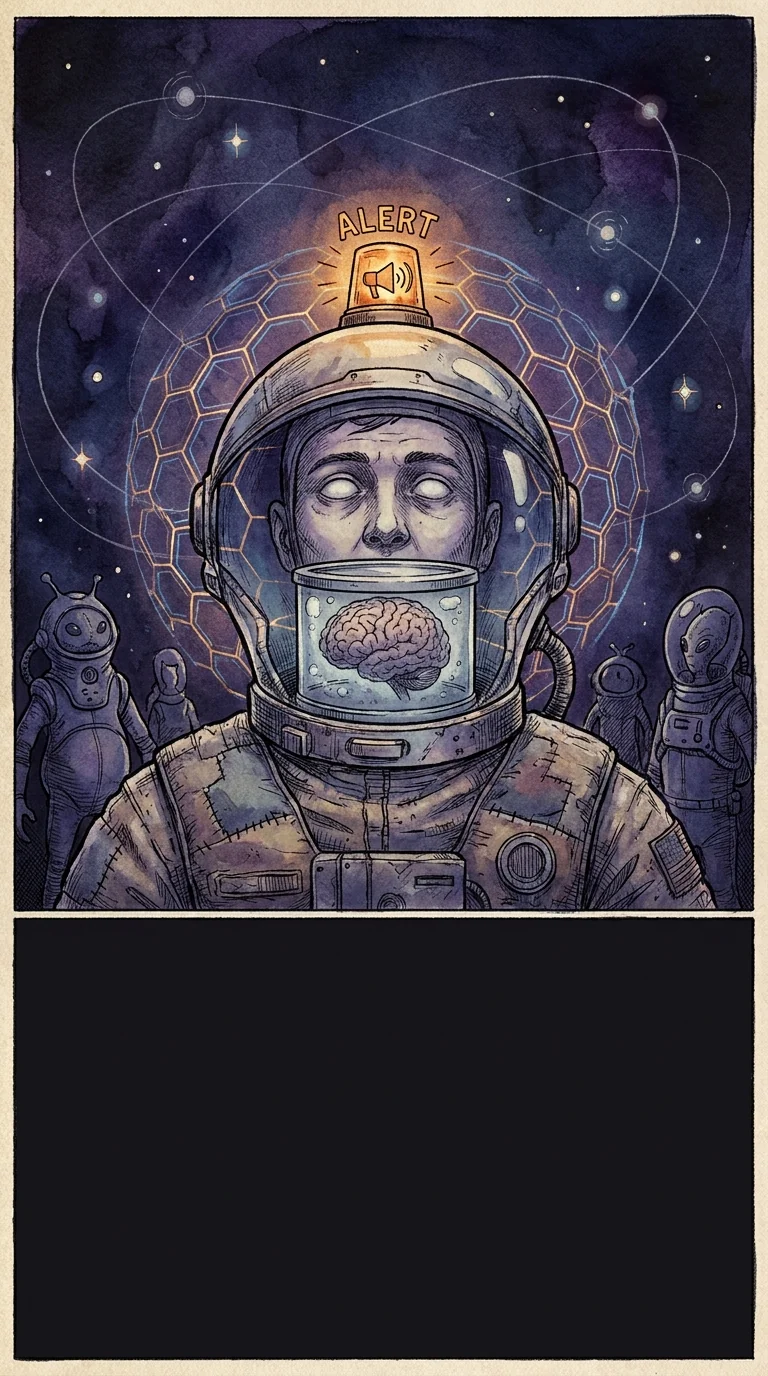
Here's what nobody admits: resistance isn't a reaction to your message. It's a reflex that fires before your message arrives. The shield goes up at the first whiff of pressure — real or imagined.
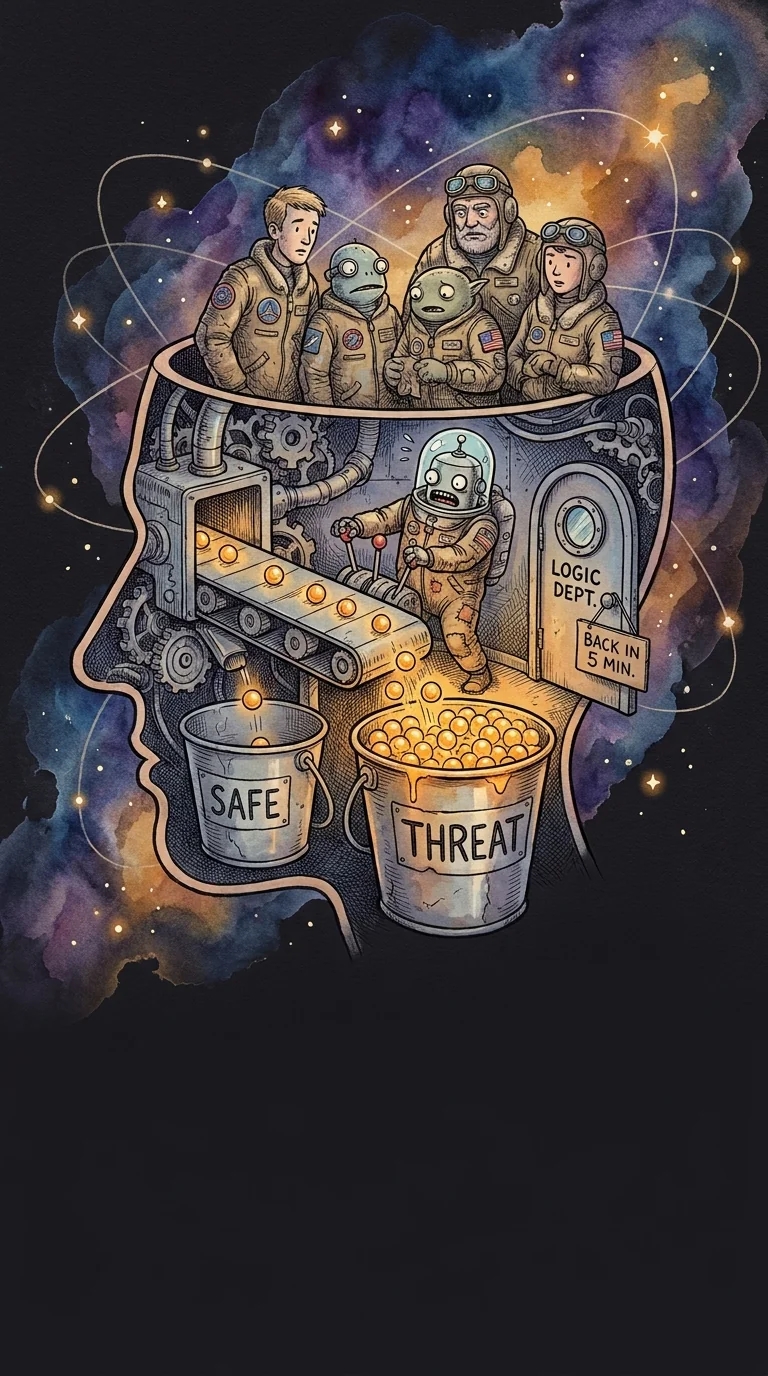
The mechanism is brutally simple. Your brain sorts every incoming signal into two buckets: safe or threat. Persuasion registers as threat. So the shield activates before logic even clocks in for its shift.
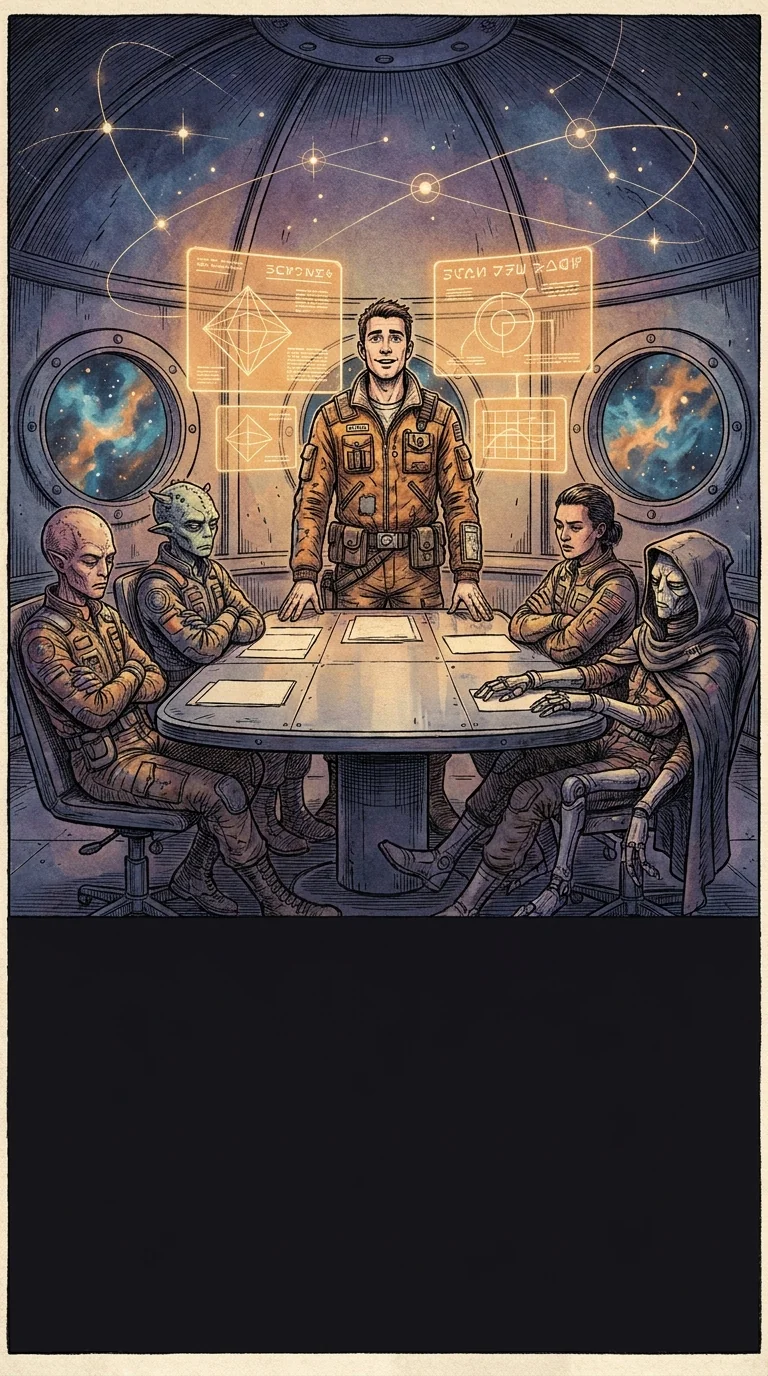
Marcus rehearsed his budget proposal for a week. Airtight numbers, clean slides, confident delivery. He walked into the meeting radiating conviction — and watched every face close like an airlock. His preparation was flawless. His signal screamed pressure.

The shield doesn't care how good your data is. It cares whether you feel like a threat. In Part 2, you'll practice spotting shield activation in real time — yours and theirs. See you there.
Part 2: The Shield Effect: Why People Resist Before You Transmit a Word — Practice
+10 XP on completion
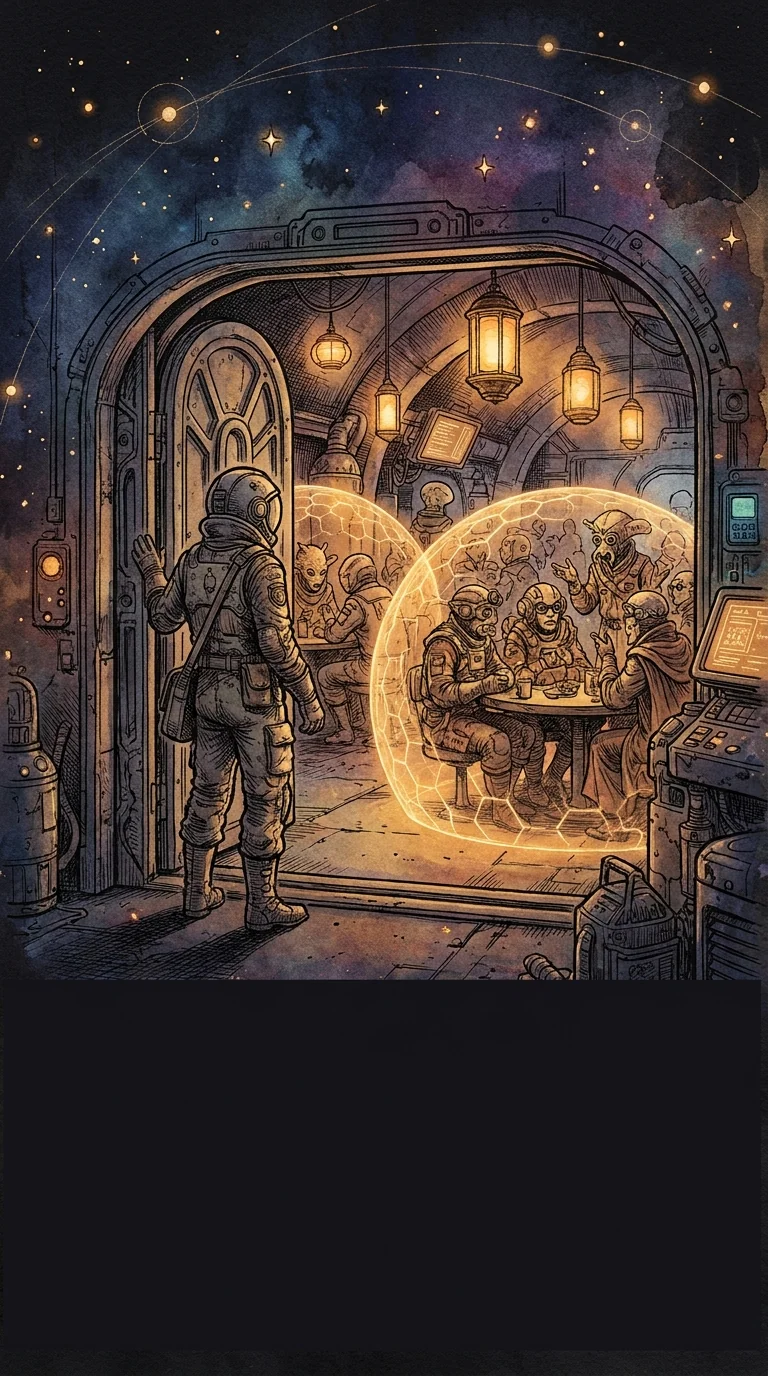
People's shields go up before you open your mouth. So the real skill isn't what you say — it's what you do with the three seconds before you say it.

Most of us walk into a conversation already broadcasting intent — leaning forward, loading up our first point, radiating I need something from you. The other person's threat detector fires before your lips move.

The technique is called the Shield Drop — and it's stupidly simple. You lower your own intensity before contact so the other person's alarm system never trips in the first place.
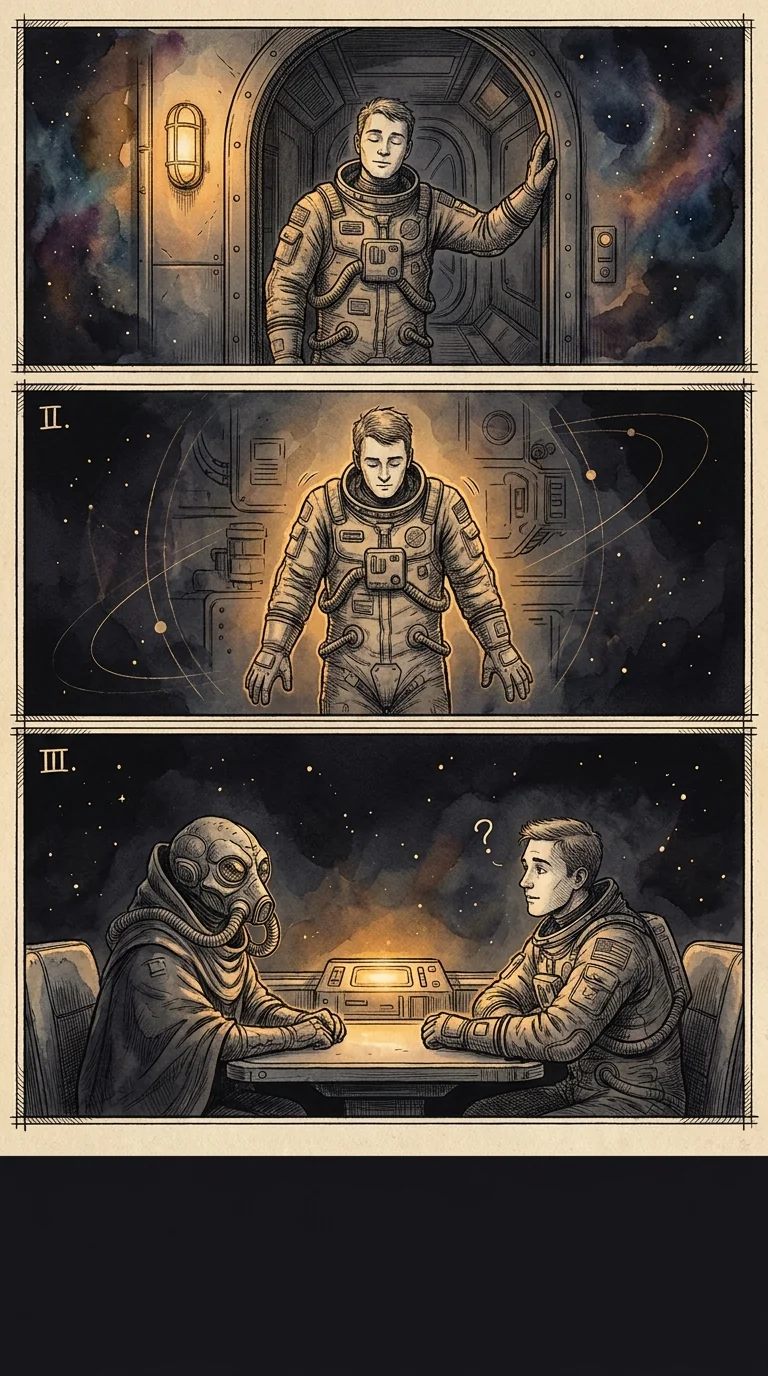
Three steps. First: pause at the door — literally stop and take one breath before you engage. Second: drop your shoulders and unclench your hands. Third: ask a question before you make a statement. That's it. You're not performing calm; you're actually becoming less threatening.

Marcus used to barrel into his team's Monday meetings already mid-pitch. Shields everywhere. Last week he stopped in the doorway, took a breath, and opened with "What broke over the weekend?" Three people actually answered. One of them smiled.
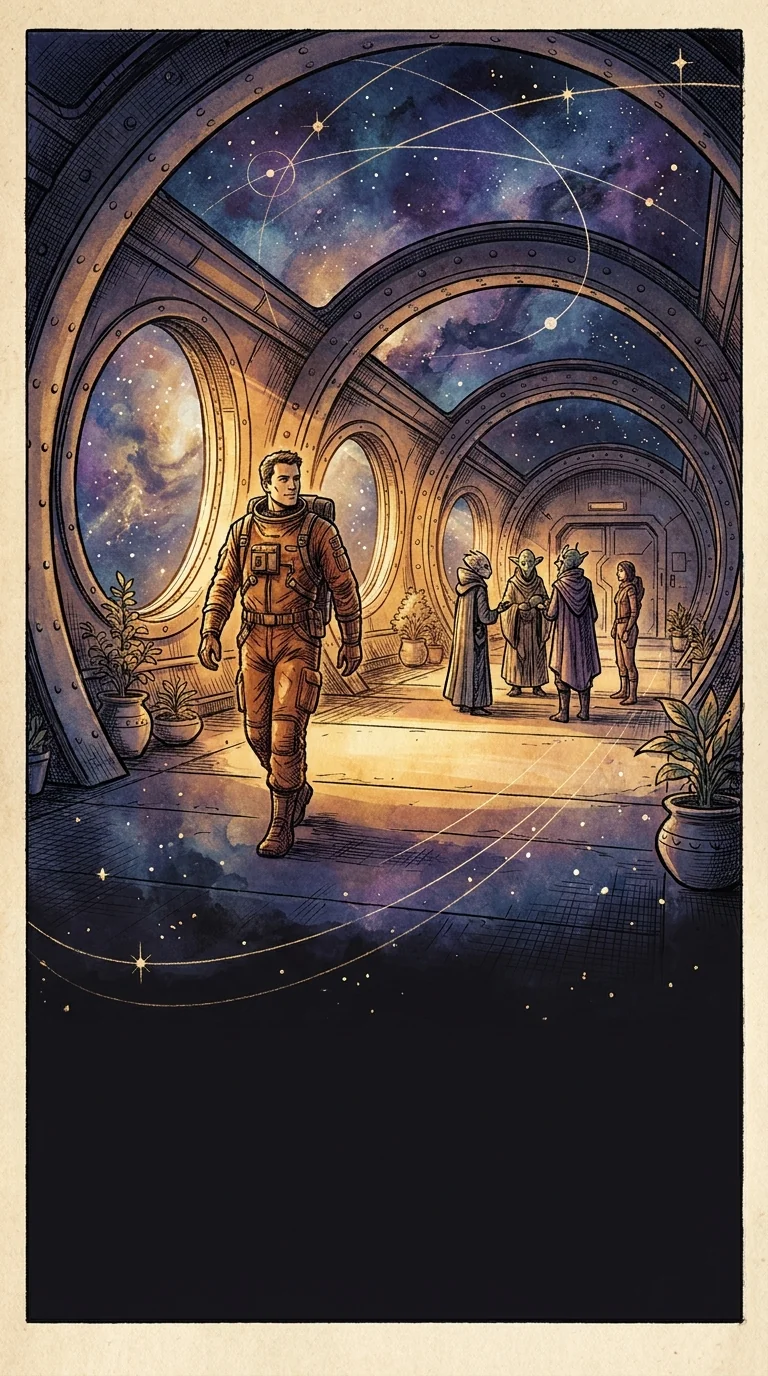
You don't need a speech. You need three seconds of not being a threat. Practice the Shield Drop once today — just once — and watch what happens when someone's guard never goes up at all.