Negotiation: When Both Sides Leave With What They Need
Every negotiation starts with two people convinced their position is the reasonable one. Funny how that works out.
Part 1: Negotiation: When Both Sides Leave With What They Need — Concept
+5 XP on completion

Every negotiation starts with two people convinced their position is the reasonable one. Funny how that works out.
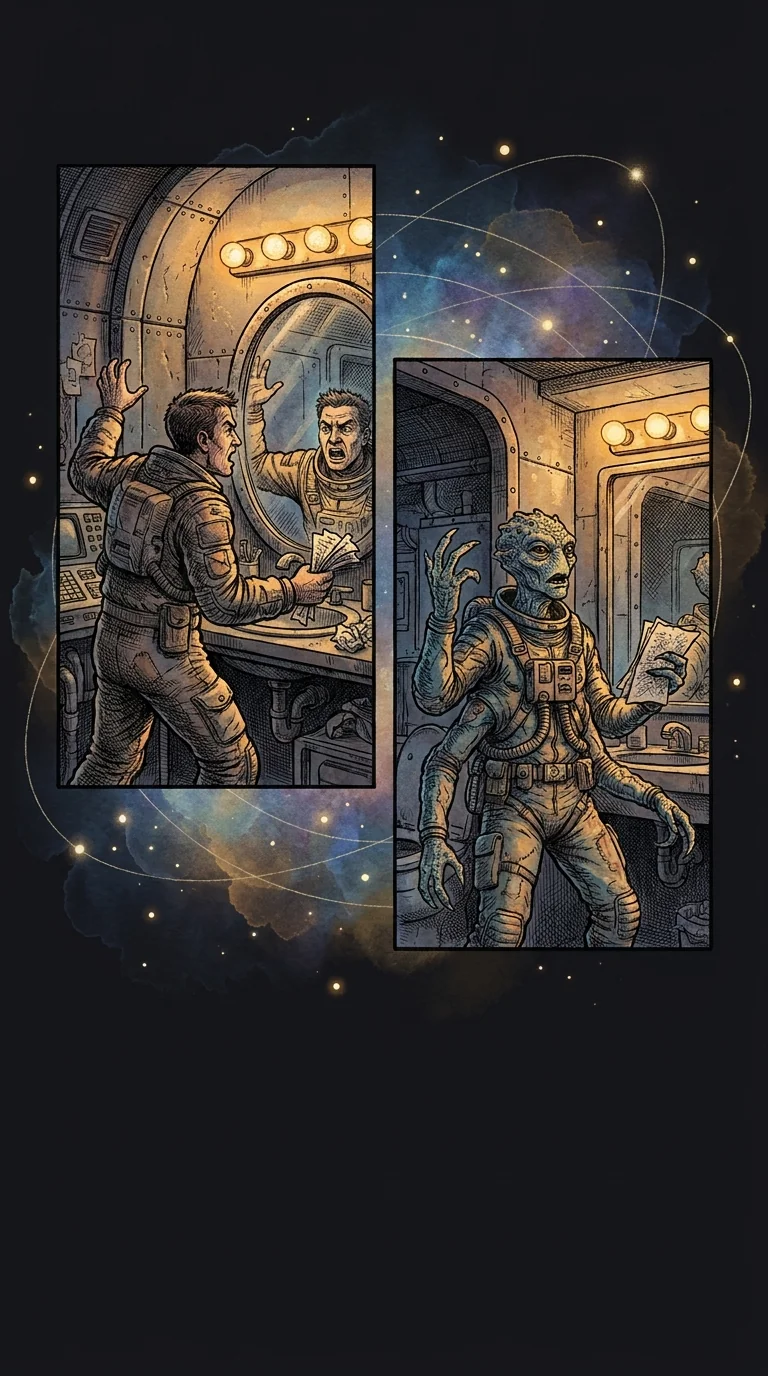
Most negotiations fail because both sides show up with a script instead of ears. You rehearse your argument so well you forget you're talking to a person who did the same thing.

Here's what nobody admits: the best negotiators aren't better talkers. They're better at figuring out what the other person actually needs — which is almost never the first thing they ask for.
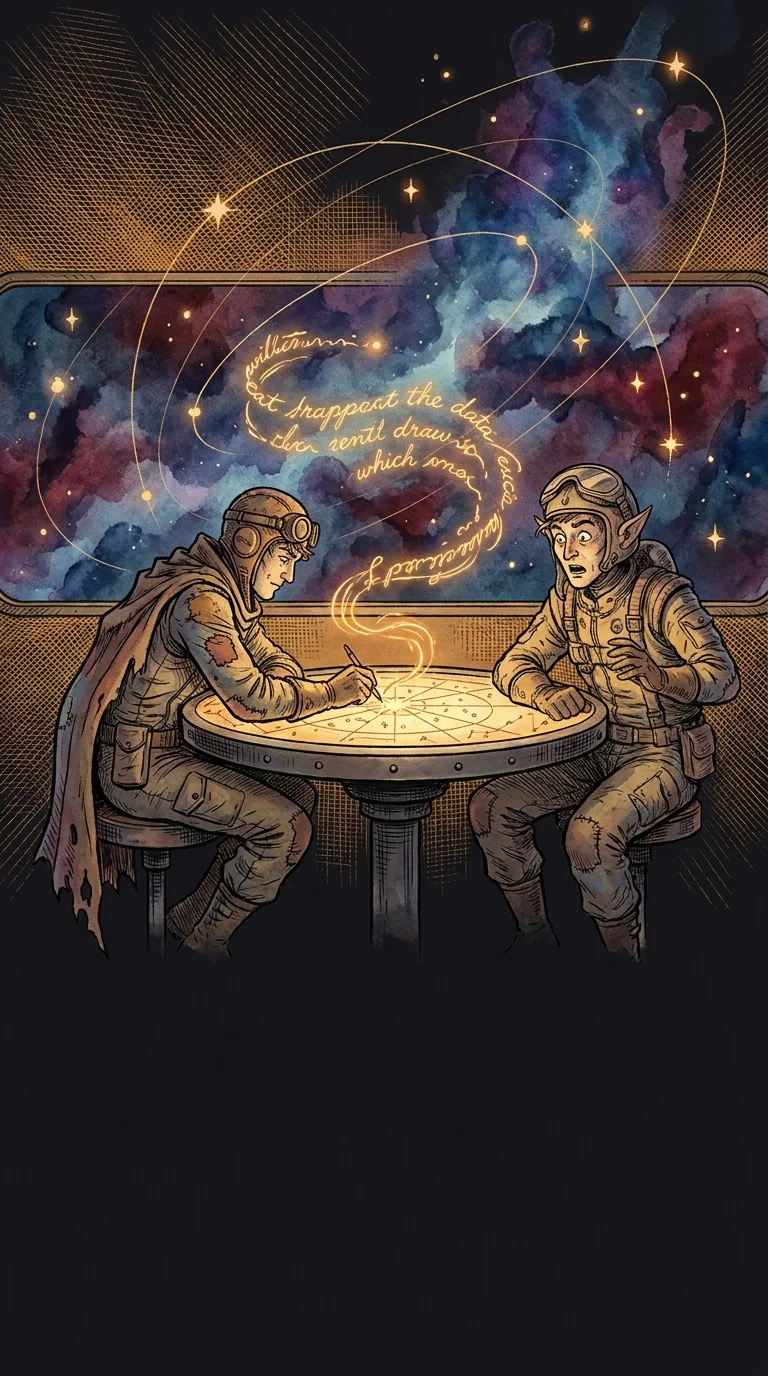
The technique is disarmingly simple: state their position back to them before you state yours. Not as a trick — as proof you were actually listening. People negotiate differently once they feel heard.

Marcus needed a bigger budget for his crew's equipment refit. His station commander needed to cut costs. Instead of leading with his number, Marcus asked what the commander was most worried about losing. Turned out they both feared the same catastrophic failure — just from different angles. They walked out with a phased plan neither had imagined walking in.

Negotiation isn't about splitting the difference — it's about discovering that the difference was smaller than both sides assumed. In Part 2, you'll practice mapping the other side's real needs before you open your mouth. See you there.
Part 2: Negotiation: When Both Sides Leave With What They Need — Practice
+10 XP on completion

Good negotiation isn't about winning — it's about building a deal that neither side needs to blow up later. That requires a method with more spine than 'let's compromise.'

Most negotiations stall because both sides show up defending positions instead of explaining needs. You end up in a tug-of-war over a number when neither of you actually cares about the number — you care about what the number gets you.

The shift: stop negotiating the what and start trading the why. Once you know what the other side actually needs — not what they're asking for — you can offer things that cost you little but matter to them a lot.
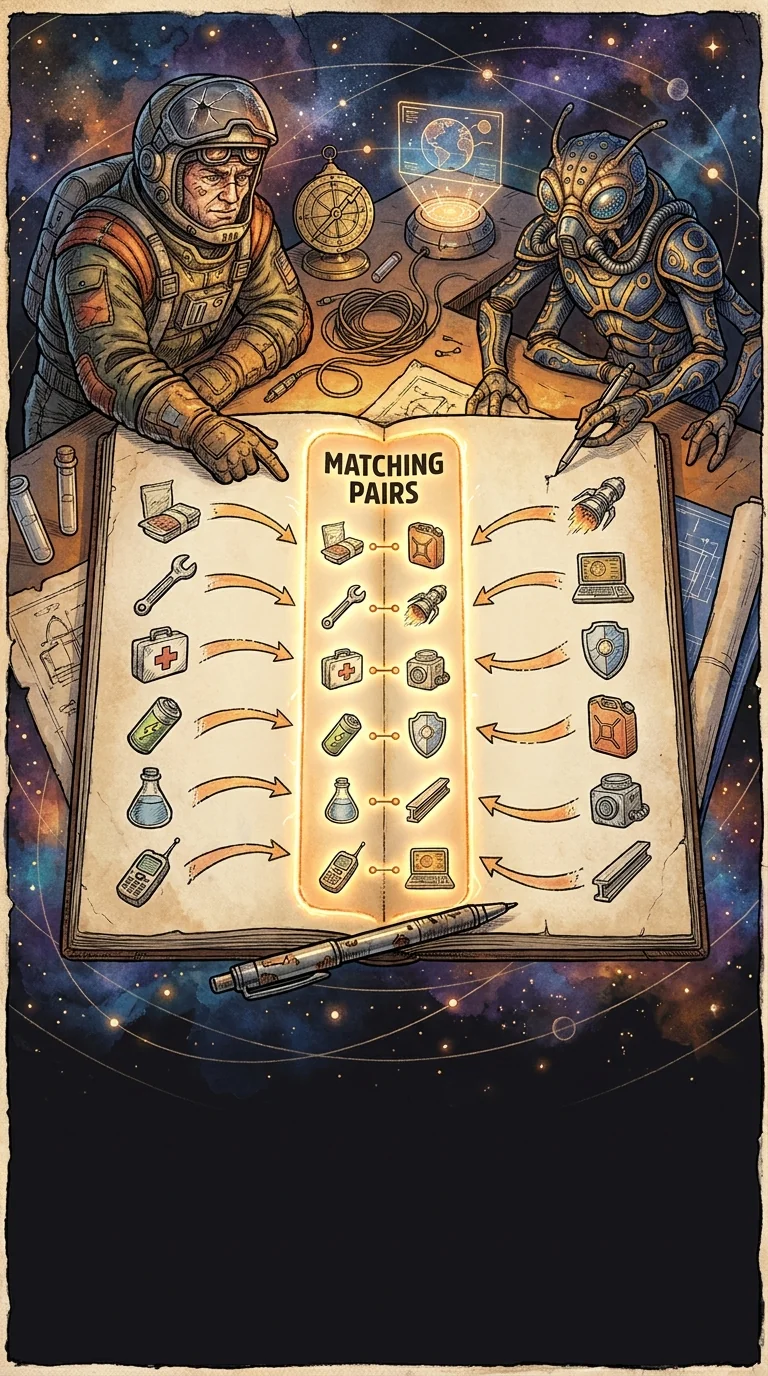
Try the Three-Column Deal. Column one: what you need and why. Column two: what they need and why (ask — don't guess). Column three: the trades where your low-cost items meet their high-value needs, and vice versa. That third column is where real agreements live.
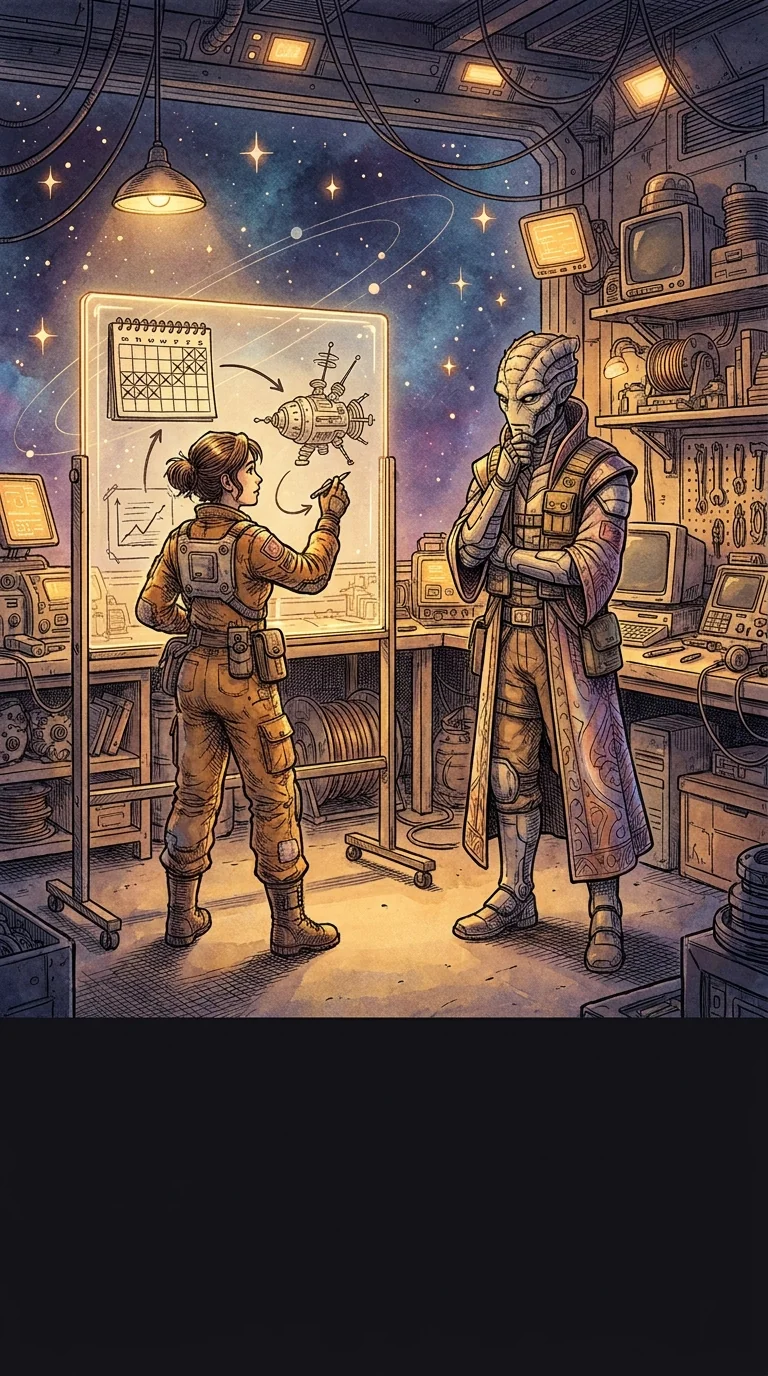
Maria needed a bigger equipment budget. Her project lead needed faster delivery dates. She stopped arguing for more money and offered to compress her timeline by three weeks — if the surplus from early completion funded the gear she needed. Both columns got checked. Nobody lost.

You don't need to be ruthless to negotiate well. You need to be curious enough to find the deal hiding inside the disagreement. That skill gets sharper every time you use it.