The Full Stack: Position, Present, Influence
You've spent three weeks learning positioning, presenting, and influencing as separate skills. So why does it still feel like juggling chainsaws in zero gravity?
Part 1: The Full Stack: Position, Present, Influence — Concept
+5 XP on completion

You've spent three weeks learning positioning, presenting, and influencing as separate skills. So why does it still feel like juggling chainsaws in zero gravity?
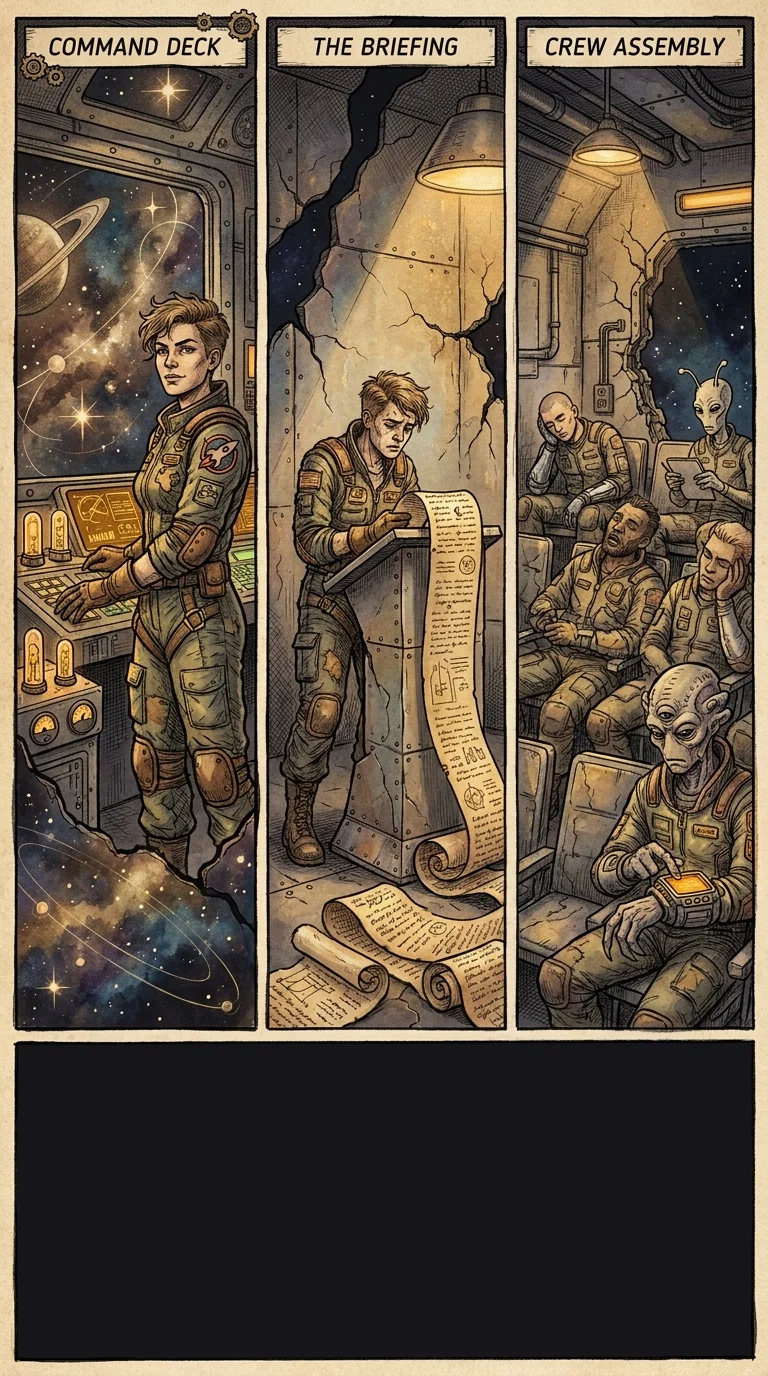
Most persuasion falls apart because people treat each phase like a solo act. They position brilliantly, then present like they're reading a cargo manifest, then wonder why nobody moved.

Position sets the table. Presentation serves the meal. Influence is the reason they come back tomorrow. Cut any one and you've got a nice evening that leads exactly nowhere.

The system works like a relay. Positioning earns you the room's attention. Presenting converts attention into understanding. Influencing converts understanding into action. Each phase hands off momentum to the next — drop the baton and you start from zero.

Maria spent weeks positioning herself as the go-to systems analyst on her station crew. Her presentation was sharp, her data airtight. But she never asked anyone to actually change course. Six months of perfect setup, zero follow-through. The day she added one sentence — "Here's what I need from each of you by Friday" — her approval rate tripled. Turns out the stack was always one sentence short.

Three phases. One system. No phase works without the others, and the handoffs are where amateurs stall out. In Part 2, you'll practice mapping your own full-stack sequence — positioning through influence — on a real situation. See you there.
Part 2: The Full Stack: Position, Present, Influence — Practice
+10 XP on completion

Position, present, influence — three phases, one system. Today you practice running all three as a single sequence instead of treating them like separate tricks.
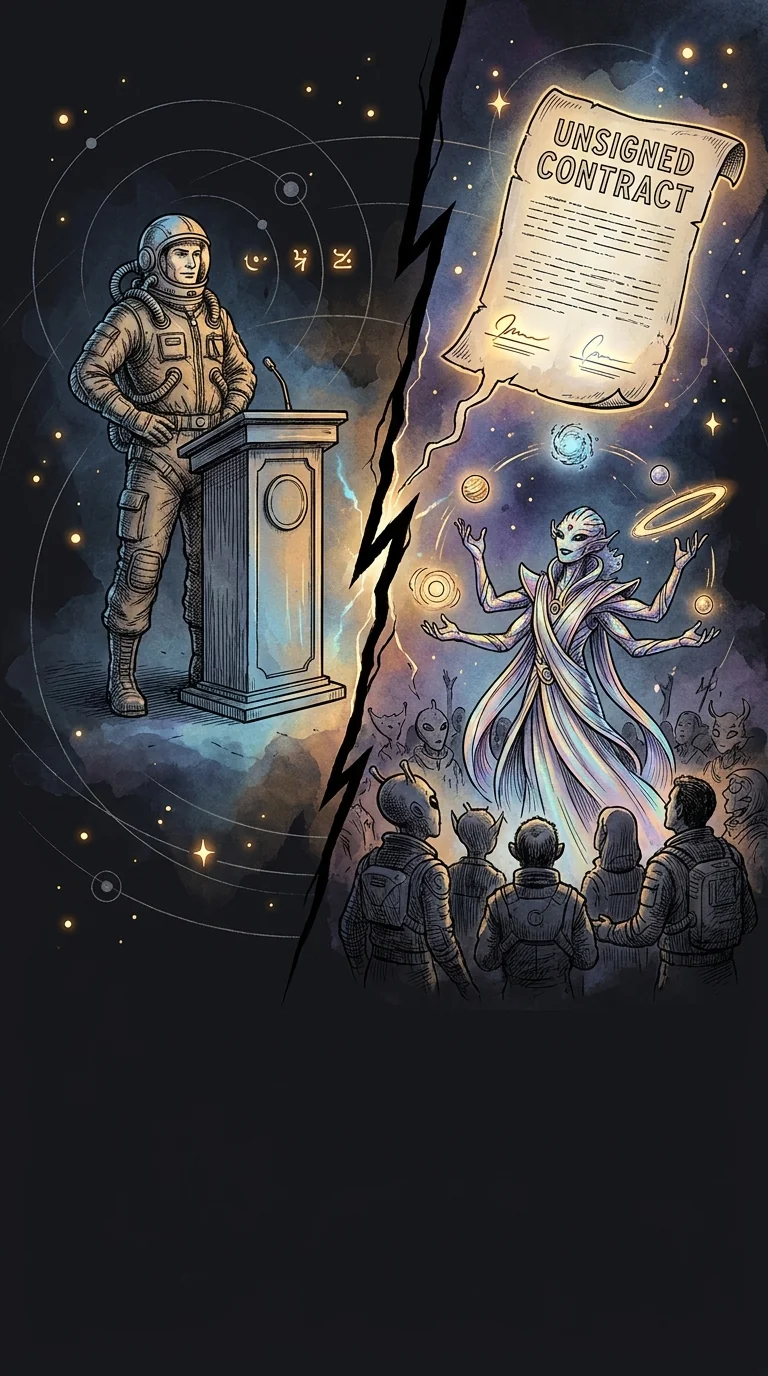
Most attempts at persuasion fumble because people nail one phase and skip the other two. They position beautifully but present like a tax form — or they dazzle in delivery but never earned the right to ask for anything.

The technique is called the Stack Rehearsal. You take one real conversation you need to have this week and you script all three phases — on paper, out loud — before you walk into the room. Thirty minutes of prep that changes the whole trajectory.

Phase one: write down how you'll establish credibility before you ever make your case — shared context, proof of understanding, a reason they should listen. Phase two: outline your core message in three beats, not twelve. Phase three: name the specific action you want and the reason it benefits them. Read it aloud once. Cut anything that sounds like filler.

Lisa had a budget meeting on Thursday. She spent Tuesday evening running the Stack Rehearsal — credibility hook, three-point pitch, one clear ask. When the meeting came, she wasn't performing. She was executing a system she'd already pressure-tested against her own skepticism. The budget passed without a single objection.

You now have the full system — not three separate tools but one integrated sequence you can rehearse, refine, and deploy whenever the conversation matters. That's not a party trick. That's a skill that compounds every time you use it.